

While many magazines are feeling the pinch of the recession, Hearst Magazines is growing. The Hearst family of magazines – Good Housekeeping, Cosmopolitan, Food Network Magazine and Oprah Magazine, to name a few – have almost all held steady in circulation, according to a New York Times article by Richard Pérez-PeÒa. And their combined advertising pages dropped by only 6.7 percent last year, compared with the 11.7 industry average.
To what does Hearst owe this success? According to Samir Husni, chairman of the University of Mississippi journalism department, it’s Hearst’s contrarian strategy. While other magazines are shrinking and cutting newsstand prices, Hearst is doing just the opposite. Hearst is increasing the physical size of many of its magazines – by up to an inch in most cases – and upping the price by more than 25 percent in the past two years. Despite these increases, sales have remained steady. Evidently, customers are loyal to their favorite magazines and willing to pay the price.
From a PR perspective, one of Hearst’s most interesting strategies is keeping its articles offline. The company’s magazines have Web sites, but they offer only a few select articles and features. Says Pérez-PeÒa, “Their sites try to tantalize readers with what they can see only in print – and drive them to buy subscriptions.”
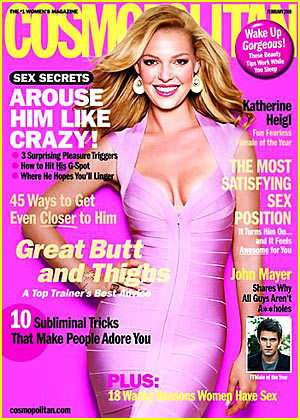
In an age when consumers expect all print news to be available for free online, this tactic seems counterintuitive. But according to Hearst Magazines President Cathy Black, it’s working. Says Black, “I want 1.6 million women to go to the newsstand every month to buy Cosmo, and they do.” She continues, “I don’t have any interest in challenging that economic model.”
Black and other Hearst executives may be on to something, and they certainly have the industry clout to start a trend. But if this “print-only” movement takes off, what will it mean for PR? Here are a few of my initial thoughts:
Circulation – When an article appears both in print and online, it reaches a vastly larger audience. And online articles are often reposted on other news sites and blogs, resulting in higher circulation. Should articles shift from online to print? The key to client satisfaction will be setting expectations. If you know an article will only reach print subscribers, make sure to mention this to the client at the outset.
Pitching – Pitching a story to a print-only outlet is different because pitches do not include multimedia, such as videos, and the audience is much more specific. Pitches should be more narrowly focused for the publication’s target audience instead of for a broader online audience.
Web sites – We often advise our clients to hyperlink articles in which they are mentioned. Should an article appear in print only, it will be important to scan and provide the client with a PDF so they can link it from their site. Our client OnRequest Images does an excellent job of this in their newsroom.
As Hearst moves forward to change the size of its magazines, increase prices and keep materials offline, we will continue to monitor the industry to see whether other magazines follow suit.