
McDonald’s recently announced its decision to part ways with longtime supplier Heinz. The two companies are cutting ties after 40 years of working together and the decision may be because of Heinz’s recent hire of former Burger King CEO Bernardo Hees and the lack of full disclosure.
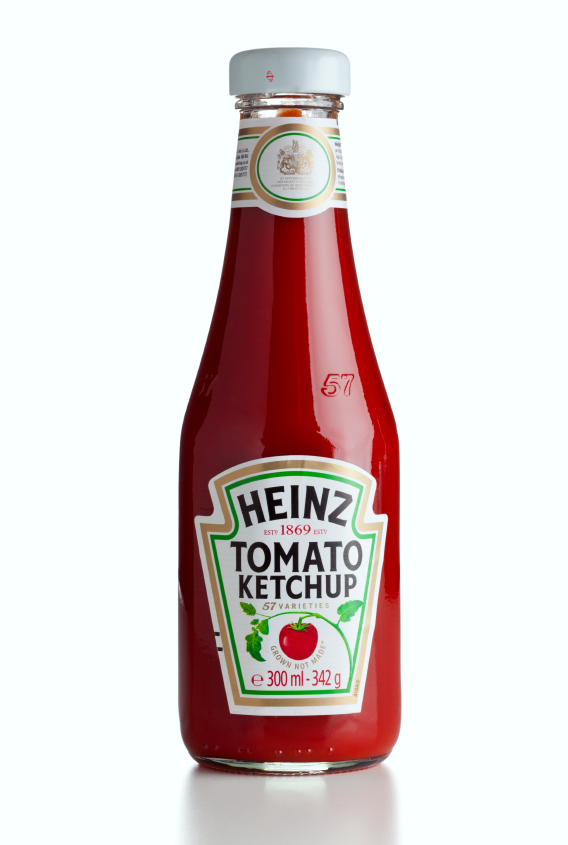
McDonald’s stated flatly, “As a result of recent management changes at Heinz, we have decided to transition our business to other suppliers at this time.” Added the fast-food giant congenially, “We have spoken to Heinz and plan to work together to ensure a smooth and orderly transition.”
Just another business decision on McDonald’s part? What kind of “management change” could tear a long-standing business relationship? It seems Hees may have had a conflict of interest in trying to continue working with McDonald’s. According to USA Today, while Hees is currently the head of Heinz, he is still vice chairman of Burger King’s board of directors, and according to the Daily News, Heinz is served in nearly 80 percent of Burger Kings in the United States. This put McDonald’s in an untenable situation because Heinz clearly has an allegiance to one of McDonald’s main competitors.
For McDonald’s, it’s merely a strategic business reaction to its changing business environment. The mystifying part is that Heinz has gone silent and has yet to satisfactorily weigh in and seize the PR opportunity.
The events of these two business giants are understandably receiving a great deal of media coverage, yet Heinz has refused to comment on this situation, explaining that its company “does not comment on business matters as a matter of policy.” However, Heinz did add this: “All our foodservice customers globally remain valuable to the company and are an important part of what has made the H.J. Heinz Company what it is today. We continue to operate respecting every customer while upholding the high level of confidentiality and business ethics that the H.J. Heinz Company has built with our business partners over the years.”
Interestingly enough, this is not McDonald’s and Heinz’s first dispute. According to the Pittsburgh Post- Gazette, during the early 1970s Heinz supplied nearly 90 percent of McDonald’s ketchup and pickles. However, after a tomato shortage, McDonald’s took the majority of its ketchup needs elsewhere. Heinz ketchup was recently only being sold in two United States markets, Pittsburgh and Minneapolis, with the rest of its McDonald’s business being in international markets. This split, therefore, will hurt Heinz primarily in the loss of the international business from McDonald’s.
Heinz, to its detriment, is not offering customers and stakeholders any insight, and its no-comment policy seems to be the least effective approach it could take. So what might the condiment king have done differently from a PR standpoint?
Addressing the recent events head-on may have been a better approach. Heinz should have offered an explanation to put shareholders and customers’ concerns at rest. Losing its business with McDonald’s may well have a negative effect on sales and those who have a stake in the company deserve to be updated, and may mean the general public will make its own assumptions because of the lack of response from Heinz on the matter. This is clearly a tricky situation for Heinz, but it seems the company may have overlooked some critical PR crisis strategies.
How would you have handled this PR opportunity differently?