
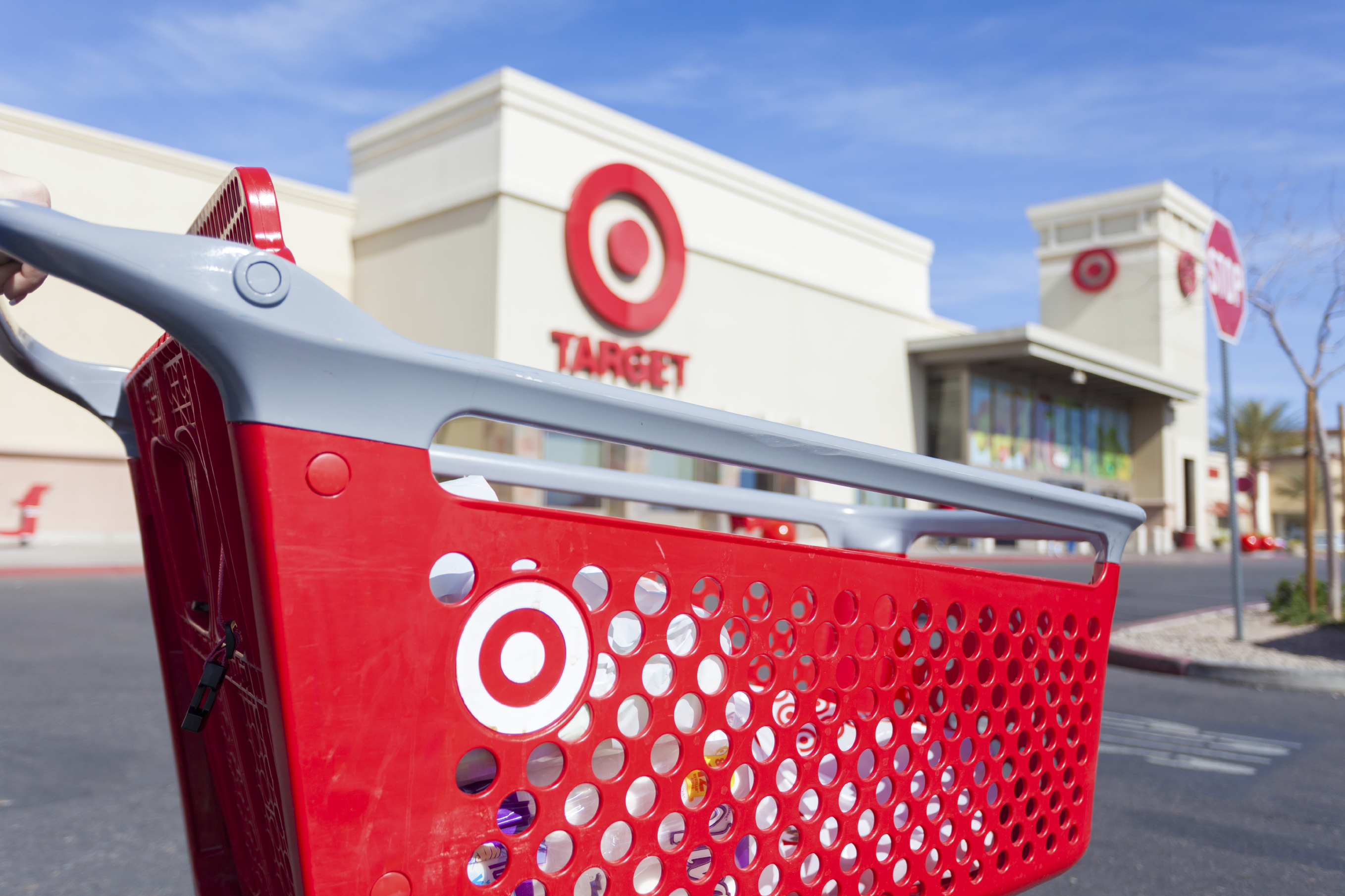
With Target’s new gender-neutral policy that offers customers and employees the freedom to use the bathroom or fitting room that best aligns with their gender identity, comes an inevitable national debate over an already controversial social issue regarding equality.
On April 19, 2016, Target issued a statement about its new policy and almost one month later, on May 11, Target’s CEO Brian Cornell finally responded to people’s concerns and confirmed that Target would not be reversing the policy. Social networks and news outlets are blowing up over this controversy, with over one million people* signing a pledge to boycott Target.
From a PR perspective, Target’s PR team is handling this communications nightmare really well considering the backlash. Following are three reasons why Target is doing the right thing, and why it could ultimately result in more good will for the company once the debate blows over.
Staying True to Company Values
It is inspiring to see a company like Target stand up for what it believes in. According to Global Strategy Group, the majority of Americans think it is appropriate for companies to stand up for what they believe politically regardless of whether or not it is controversial. Target is among the first major retailers to take a stand on controversial social issues about gender and sexuality. Gender-neutralism is a conversation that needs to be had to avoid discrimination and I applaud Target for setting an example and leading the way for other popular brands. Given that inclusivity is one of Target’s core beliefs, we can expect the retailer not to back down from its decision despite the growing number of opponents.
Not Feeding the Fire
Target has been nearly silent in its response to public backlash against its new policy. American Family Association (AFA), a non-profit organization that promotes fundamentalist Christian values, is leading the infamous Target boycott, which has stirred controversy on social networks and news outlets. The AFA claims that Target’s new policy “endangers women and children by allowing men to frequent women’s facilities” and is urging people to voice their opinions, to refrain from shopping at Target and to sign the Target boycott pledge.
Since the Target boycott made headlines, the AFA has likely benefited from the media attention. In an article from USA Today, AFA president Tim Wildmon said, “This is the best response we’ve ever had this quick.” It is evident that the AFA has earned a lot of press for its efforts, which ultimately helps increase awareness of the organization. Target, however, is doing the right thing by not feeding the flame, because eventually the fire will burn out.
Considering the Outcomes
Past religious-driven boycotts have generally been unsuccessful in accomplishing their goals and are typically not detrimental to sales. This is especially true for large, popular brands (like Target) according to S&P Global Market Intelligence. For example, recall the Starbucks boycott from conservative religious groups about the coffee makers’ 2015 plain red holiday cups. After everything was said and done, the company reported a 9 percent increase in comparable store sales in the U.S. – and this was “by far the strongest holiday in our history and record revenues,” said Howard Schultz, chairman and CEO of Starbucks.
The goal of the boycott is to force Target to revert its gender-neutral policy, but that likely will not happen according to Target spokesperson Molly Snyder who recently said, “We certainly respect that there are a wide variety of perspectives and opinions. As a company that firmly stands behind what it means to offer our team an inclusive place to work — and our guests an inclusive place to shop — we continue to believe that this is the right thing for Target.”
This diplomatic response to the Target boycott demonstrates how a company can proactively respond to and mitigate a communications crisis, while staying true to company values and maintaining a brand’s image/reputation. It may be inevitable that Target will lose customers over this, but the company will gain an even stronger, loyal customer base with those who do support LGBT rights.
Furthermore, if someone is concerned about a predator lurking in Target’s public restrooms, most Target stores have a single-stalled family restroom with a locked door that people are free to use.
Target’s communication strategy has been effective in this case, because they remained true to their brand and identity despite negative feedback from customers. In the coming years, I believe we will see more companies taking a stance on social issues as part of their branding efforts. It’s not just about the product or service anymore, but instead about supporting a brand/company that mirrors stakeholders’ beliefs.
For more information on Communiqué PR’s work with Point Inside and Target, please see our blog post titled, “Point Inside Powers New Mobile Features for Target.”
*The widely cited pledge has a signature count of over one million people; however, people may sign the pledge multiple times, which could lead to inflated numbers.
**We made minor edits to this blog post on May 23, 2016 to correct grammatical errors and streamline points.