
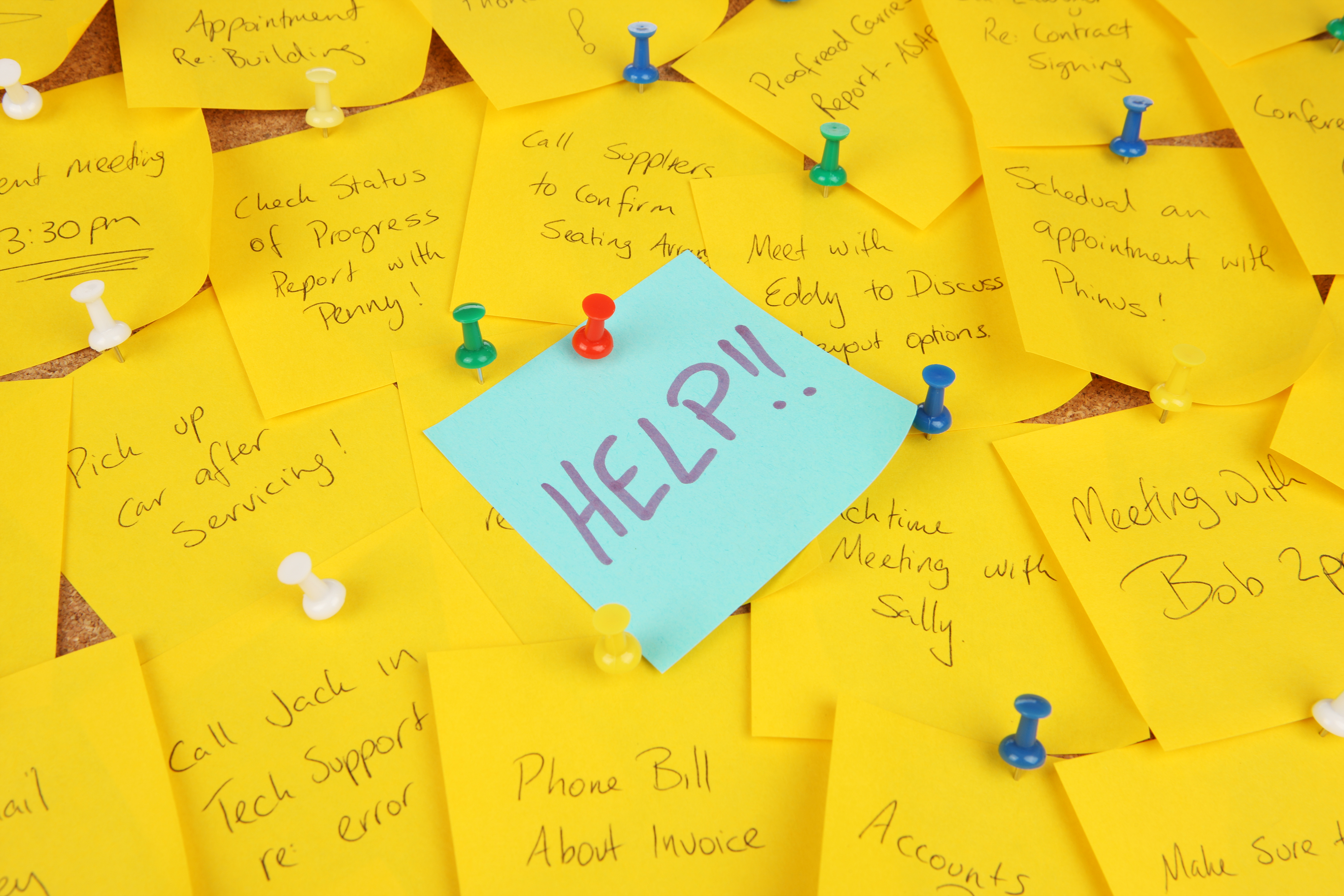
You have been running to meeting after meeting, answering countless e-mails and taking endless phone calls all day, yet when work is finally over you feel as though you have accomplished nothing. Sound familiar? Don’t worry, you just have a case of busyness disease, and it’s incredibly common. Agencies have always had the tendency of being afflicted with “being so busy,” but now a majority of America’s workforce seems to have caught the bug as well. This is because we firmly believe that the busier we are, the more meetings we attend, the more emails we reply to, the more work we are getting done. The problem is that being busy is not the same as being productive.
Marketing and PR agencies are especially prone to this problem because they are used to billable hours. Having every hour of the day tracked causes agency employees to cram as many meeting, phone calls, and emails into their days as possible to increase how productive they appear. Unfortunately, it is having the opposite effect.
What agencies, and all companies, need to do is slow down. Employees need to block out chunks of time each day to do uninterrupted work – no emails, no calls, no meetings. As harmless as replying to an email may seem, it can be surprisingly detrimental to work efficiency. In fact, Microsoft did a study that found it took an average of 15 minutes for employees to go back to their important projects after being interrupted by an email or phone call. That means that if an employee only got 20 emails a day, an average of five hours would be wasted on replying and the distractions that come with it.
Seagate Technology did a similar study using VoloMetrix, a data-mining tool that helps track employee activity, which found that a single consulting firm was using up 8,000 hours of Seagate’s employees’ work time each year from nothing but emails. If productivity is the goal, cut down on the number of emails being sent each day, make sure emails that are sent are only going to people they actually apply to, and make sure the content is clear and concise, to avoid a flood of responses asking for clarification.
In PR cutting down emails can be especially difficult because of the volume of communication necessary when you are constantly talking to reporters and working with strict deadlines. However, it is still important to block out some email-free time during the day, even just an hour, to make sure you are meeting important deadlines as efficiently as possible.
Emails aren’t the only problem though – meetings are just as bad, if not worse. One of the biggest issues is that we like meetings. When we have back-to-back meetings all day, it makes us feel important. This idea brings to light an important factor behind the busyness disease, which is that being busy is a type of social currency. The harder it is to schedule a meeting with an executive, the more important and sought after they must be.
This goes hand-in-hand with the idea that an empty schedule means no work is being done. There is a fear of idle time in the workplace so pervasive that executives and employees are scheduling meetings that are either too long or completely unnecessary. A study done by Bain, using VoloMetrix data of 17 large corporations, found that senior executives devote more than two days each week to meetings attended by three or more co-workers, and that these meetings are, more often than not, scheduled “just because.”
Meetings are an important way to connect with colleagues and employees, but only when they are necessary. Back-to-back meetings all day make it nearly impossible to sit down and actually put the ideas and decisions made into motion, making the entire “busy” day a waste. One way to be more effective is to have a smaller number of meetings each day with fewer employees, followed by a block of time that will allow the attendees to actually implement the ideas discussed.
As technological advances continue to make it easier to be distracted by emails, calls and other forms of communication, it will become increasingly important to stress uninterrupted work time. Keep emails, calls and meetings to a minimum and only include those that are absolutely necessary to help cut down on wasted time. The more time that is devoted to spending time on, and completing, one project at a time before moving to the next, the more productive the workforce will be, and saying, “I was very productive today,” is much more satisfying than saying “I am so busy.”