
The art of storytelling is nothing new. Since the days of cavemen carving hieroglyphics into rocks, humans have been using images, and eventually words, to share their experiences with others. As humans, we all tell stories every day. Whether we’re telling our friends about a crazy snowstorm or raving to our coworkers about a new restaurant, stories are how we make sense of the world.
But in recent years, how we share our stories has changed dramatically. We are no longer limited to sharing our experiences with people we know personally. The rise of social media has given everyday people a platform from which they can share their stories with thousands of people. For example, Kiersten Reich started her blog The Blonde Abroad five years ago to share stories from her world travels. Since then, her blog has garnered 120,000 followers and she now has 271,000 followers on Instagram.
For brands, this means that everyday people often have bigger audiences on social media than they do. Kraft Foods, for example, only has 11,100 followers on Instagram. In the age of social storytelling, how do brands adjust their marketing strategies to ensure their stories are still being heard?
The answer, for many brands, is to let their customers do the talking.
Karen Olsen, VP of marketing for the Seattle Space Needle, sees the rise of social media as an opportunity for the Space Needle’s fans to share its story. To encourage this, she and her team have created experiences that fans will want to share with their followers. On the Space Needle’s observation deck, there is a panoramic camera that allows guests to take extra-wide selfies and time-lapse photos. There is also a virtual version of the Space Needle that guests can take photos with. Offering tools like these gives guests the opportunity to capture their experience in a unique way that they will want to share with their followers.
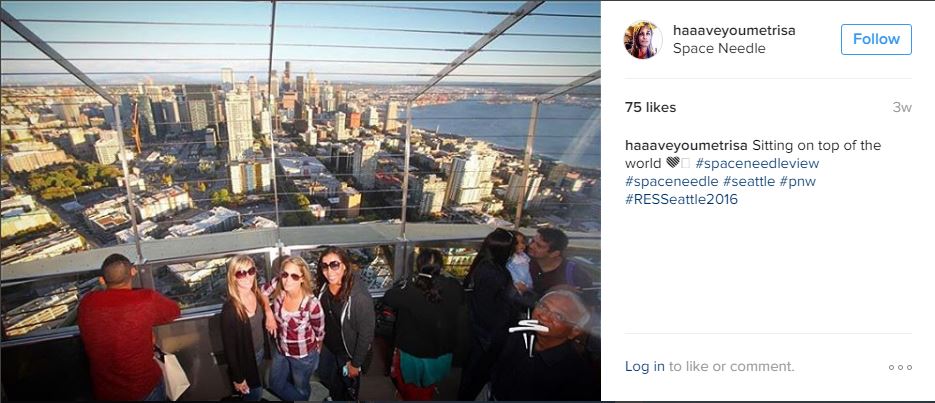
“Today, one of the biggest luxuries is to have an incredible experience,” said Olsen. “People are all about having an experience, capturing it and sharing it on social media.”
Indeed, research has shown that millennials, who make up the nation’s largest living generation, value experiences over owning goods like cars and homes. They want to have an unbelievable experience that they can share with others.
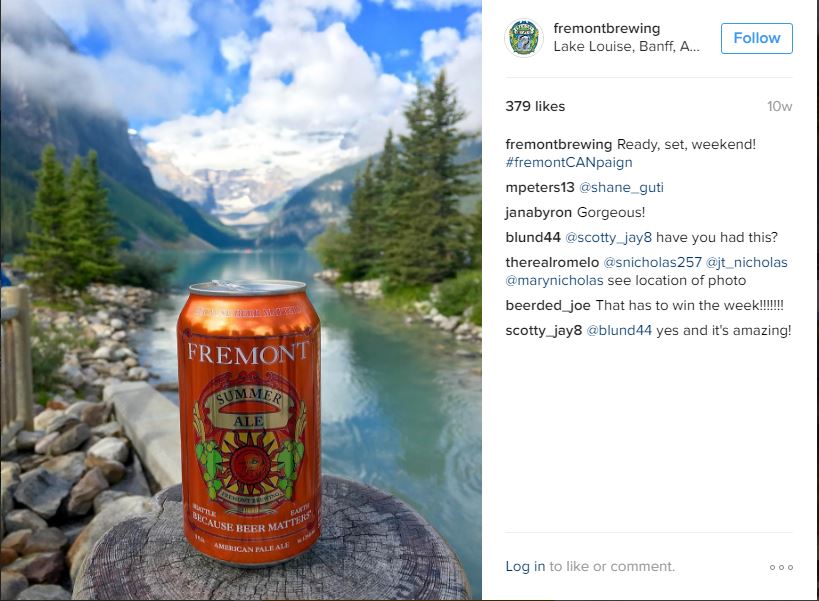
Brands can capitalize on this by creating a shareable experience like Olsen did at the Space Needle, or by inserting themselves into experiences their fans are already having. For example, Fremont Brewing launched a social media campaign encouraging fans to take photos of its brightly colored beer cans in a scenic setting using the hashtag #FremontCANpaign. The campaign inspired hundreds of photos by hikers, skiers, and kayakers who placed a Fremont beer can in the center of their nature shot.
Today, every one of us is sharing stories with an increasingly wide audience. As the way we share stories evolves, marketers’ strategies for promoting their brand must evolve too. Today’s marketers need to give customers the tools to tell their brand’s story rather than telling it themselves.