
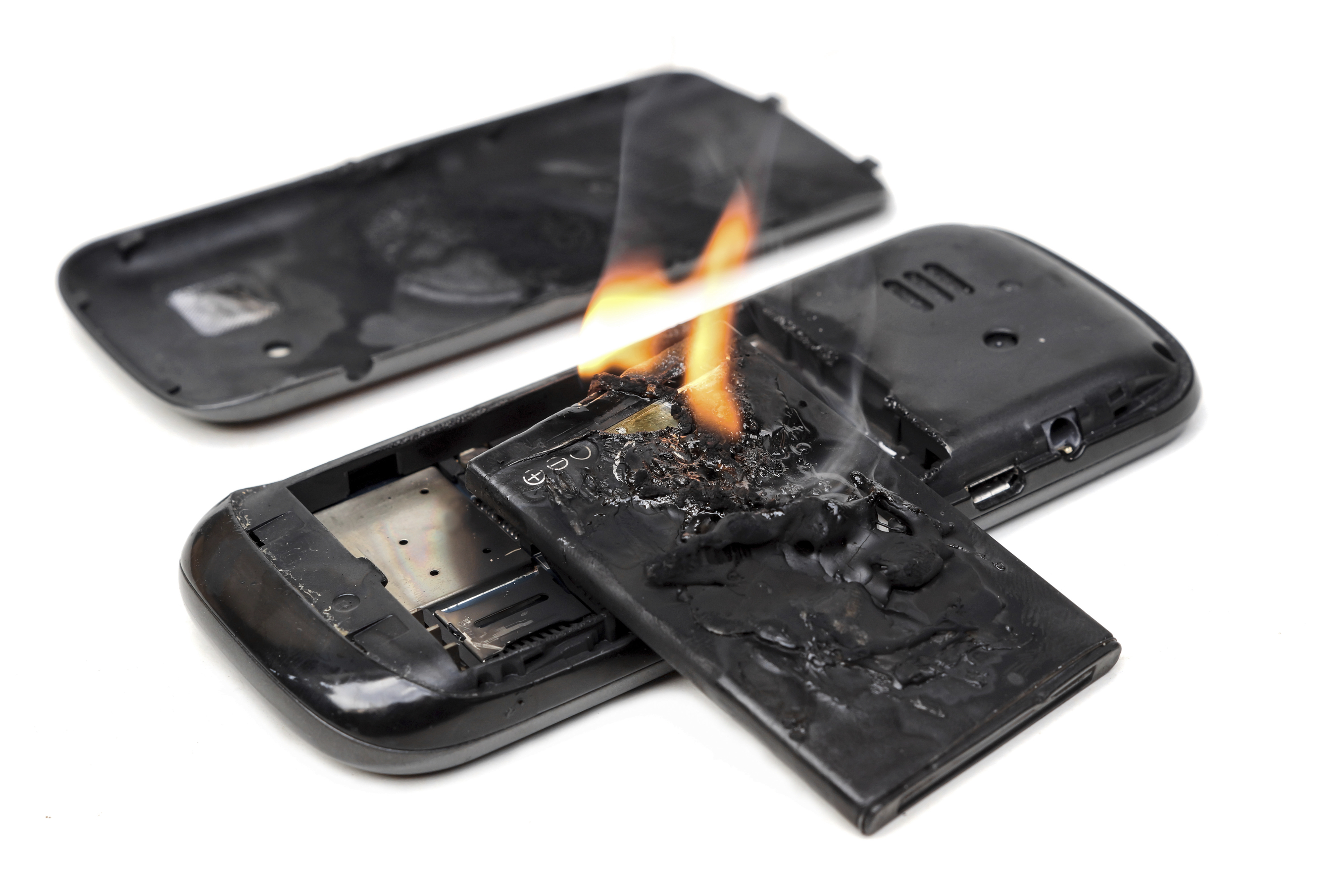
The Galaxy Note 7 was Samsung’s most sophisticated phone ever, and many industry experts predicted that it would challenge Apple’s dominance over the market. That idea went down in flames (pardon the pun) when Note 7 phones started spontaneously combusting in early September. The risk of explosion was so great that the Federal Aviation Administration deemed the devices a fire hazard and banned them from all U.S. flights.
Since then Samsung has been digging itself out of a PR crisis that has the potential to permanently damage its brand. Samsung certainly isn’t out of the woods yet and its team is still dealing with the aftermath of the debacle, but it’s safe to say that the initial crisis is over. So, how successfully did Samsung’s PR team handle the situation?
When it was first reported that the Note 7s were exploding, Samsung responded quickly on all fronts – it immediately made public statements about the news and issued a global recall of the phones within weeks. Communicating swiftly and often with key audiences is the cornerstone of any crisis response, and Samsung nailed this. By immediately taking action the company showed its key audiences that it was taking the situation seriously. However, it’s critical that the information a company shares about the situation is accurate. This is where Samsung went wrong.
The company acted too quickly and many of its initial statements had to be retracted. Samsung initially said that Hong Kong customers’ phones were not at risk of exploding, only to take it back the next day when it was discovered that phones sold in Hong Kong were, in fact, affected. Then the company based its explanation for the cause of the explosions on incomplete evidence. Samsung confidently stated that the phone’s battery was the cause of the explosions and rushed to produce 2.5 million replacement phones. This resulted in a second and arguably worse crisis – the replacement phones started exploding, too.
Samsung finally conceded that it didn’t know the cause of the explosions and was forced to discontinue the Note 7 altogether. By providing inaccurate information and acting too quickly, Samsung lost the trust of its customers and investors, and stands to lose millions of dollars in revenue. Its stock took a nosedive in mid-September, plunging 7 percent in one day.
The Note 7 crisis has not doomed Samsung altogether – the other areas of the company’s business are doing well and its stock has bounced back – but there are some major lessons to be learned. From a PR perspective, the biggest takeaway is to share information early and often, but make sure the information you’re sharing is accurate. Samsung could have salvaged a lot of trust, and dollars, if the company had stated that they did not know the cause of the explosions but would keep the public updated as it worked to uncover the root of the problem.
Samsung’s response to the Note 7 crisis started off strong, but unfortunately a couple significant missteps led to an even bigger crisis for the company.