
Recently, I wrote about publishing capabilities on LinkedIn and the social media giant’s plans to invite all its members to contribute articles via long-form posts. Since that time, I began thinking about the implications of this new capability as it pertains to copyright, other forms of intellectual property, corporate guidelines and staff education.
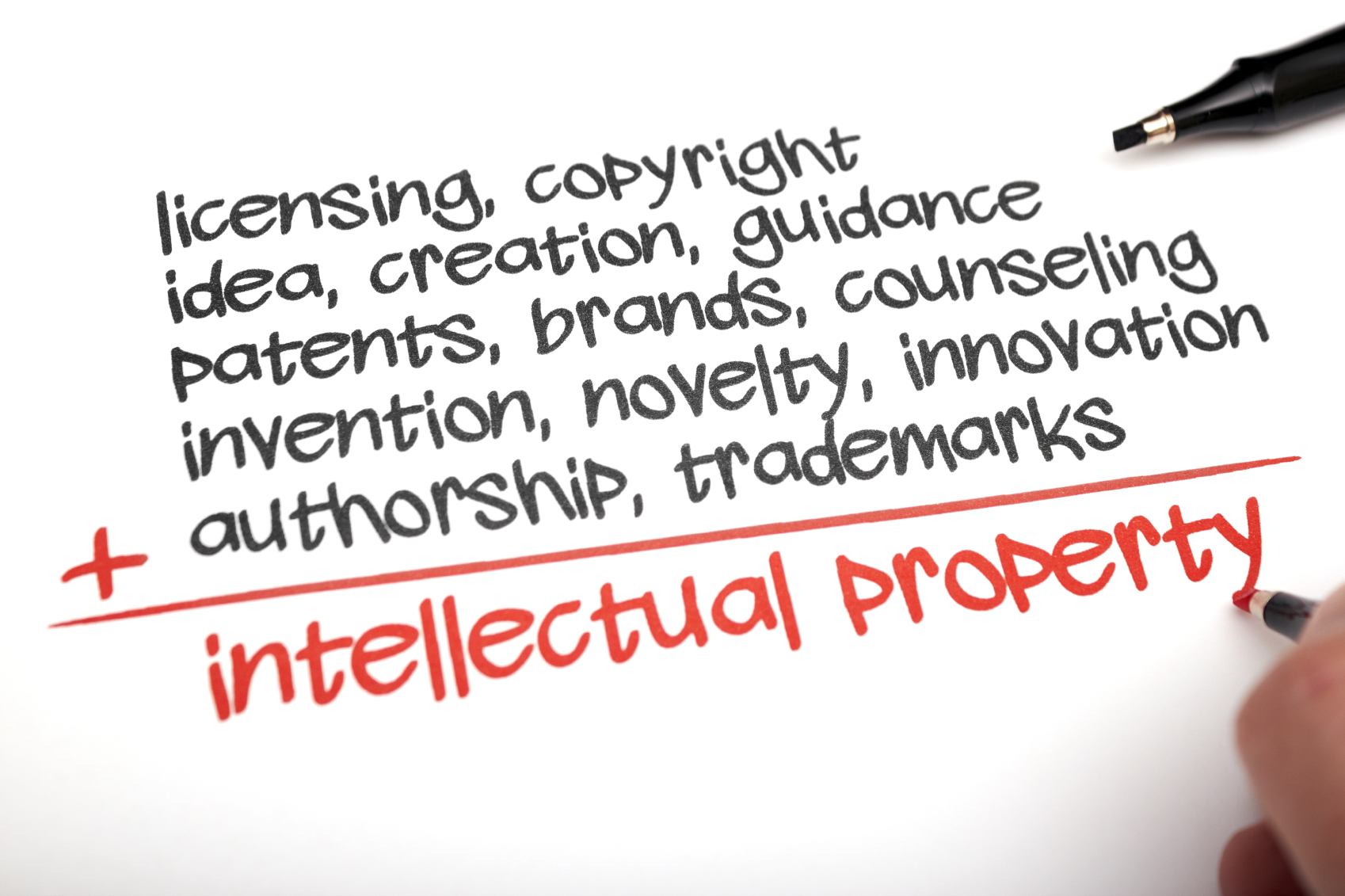
For instance, every person with Communiqué PR regularly contributes to our blog. Communiqué PR owns the copyright for those blog posts because the articles are prepared by staff as part of the scope of their employment with Communiqué. Nonetheless, my colleagues and I also want to distribute our posts via our LinkedIn pages leveraging LinkedIn’s long-form publishing capabilities. And Communiqué sees value in having our work republished in other forums, such as LinkedIn long-form publishing. After some consideration, we decided to create a policy letting employees re-publish their blog posts as long as the individual includes the statement: “This blog post was originally published on Communiqué PR’s blog,” with a hyperlink back to the original content.
However not all employers have the same objectives and they may need to carefully consider if they want their employees publishing employer-owned articles. For many organizations there are other, more serious implications beyond copyright to consider. Miller Nash partner Kathleen T. Petrich, who practices law in the area of intellectual property and patent and trademark prosecution, has an interesting perspective on the challenge that long-form publishing via LinkedIn may open up for companies.
Consider a situation in which a medical institution hires a physician to assist in expensive research to discover a new drug treatment or procedure. If the physician blogs about the drug treatment or procedure and explains how it works, it may become problematic for the medical institution to file a patent, as some extremely strict rules exist around timing and disclosure in U.S. and foreign patent laws. This could pose some thorny problems for the company and physician.
Another issue is liability. If an employee publishes information on LinkedIn that is harmful or wrong and causes damage, liability issues could face that person and his or her employer. Also, the LinkedIn long-form publishing agreement is between LinkedIn and the owner of the personal LinkedIn profile and not with the employer that may own the copyright in the specific article.
Given there can be copyright, other intellectual property and even liability considerations when sharing information on LinkedIn, Petrich strongly suggests that companies create or update their social media guidelines and policies to include a process for vetting work and granting permission to employees so they know what they can safely, and legally, share on social media platforms such as LinkedIn.
“The bottom line is that many employers agree that employees’ LinkedIn profile are theirs,” explained Petrich, “but they also want to be sure that, if you are posting content that is owned by them, they have some control over that in the form of permission or with other terms governing its publication.”
Finally, for those executives who are submitting essays or articles for publications on news sites like the Huffington Post or Re/Code, it is important to remember that just because you authored the work, you do not necessarily own the copyright. If you signed a contract, make sure you look at it to see if you can legally share your article via LinkedIn long-form publishing.