
It’s impossible to ignore the ongoing coverage of the global Ebola crisis. Reading the latest on the outbreak—particularly in the hardest-hit areas—is at once fascinating and heart-wrenching. It’s deeply troubling. And lately, above all, it’s terrifying.
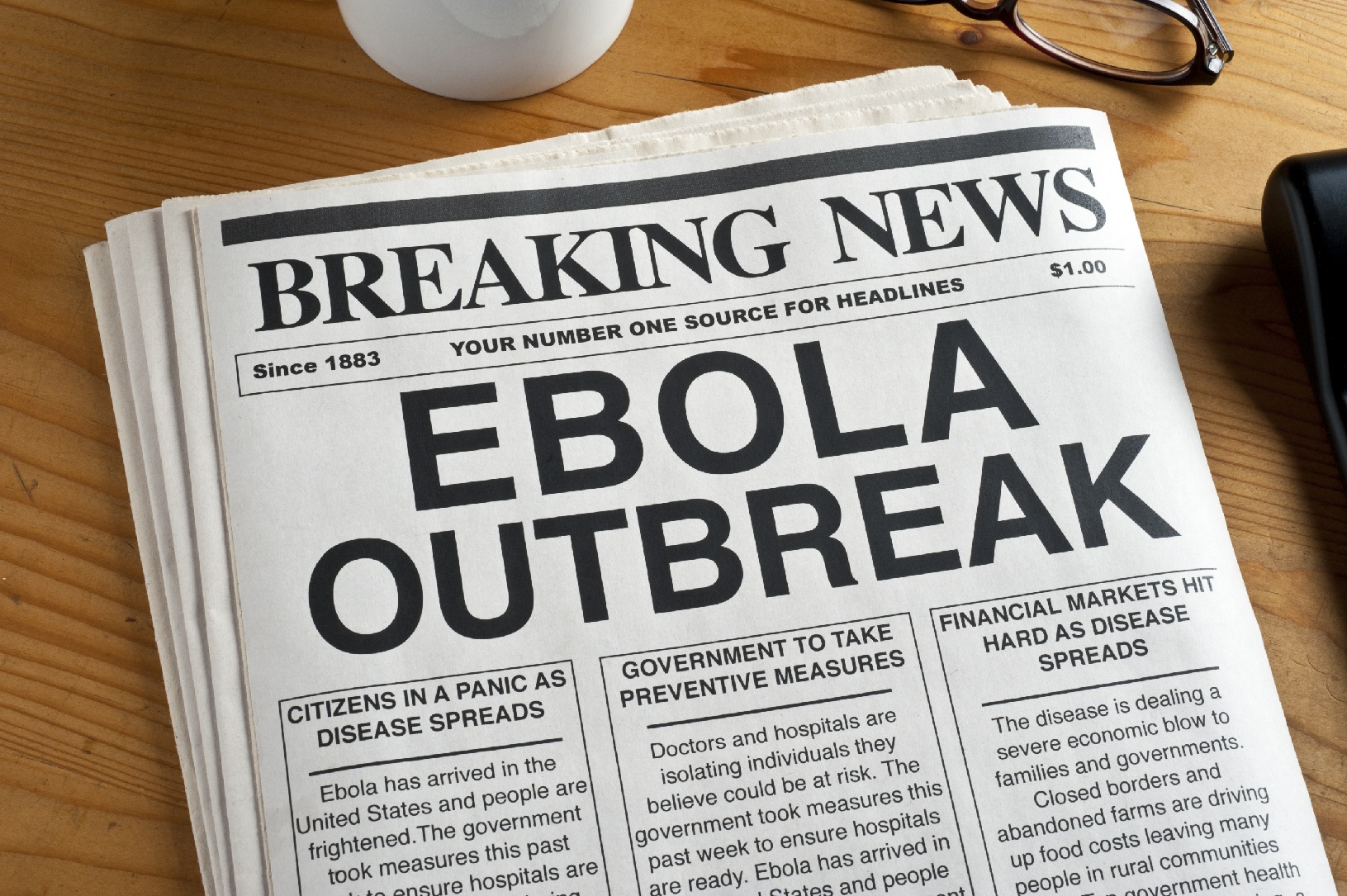
At the heart of many of the stories around Ebola is its growing danger and the pervasive fear that is rising among the public as a result. The media has even given this a name—“fear-bola”—and in many cases, its coverage of the crisis seems to perpetuate it. CNN has a whopping 16 articles related to Ebola on its home page as I write this, with headlines highlighting everything from false alarms to school closures and CDC failures. The Wall Street Journal is reporting the response as “unacceptable,” while CBS News is saying Dallas might declare a “disaster” over its recent Ebola cases. The negative media attention is so pervasive that the Dallas hospital at the center of the chaos felt the need to hire a PR agency to handle its crisis communications.
Through all of the coverage, one aspect that has particularly struck me is the profound effect of emotions on people’s behavior. Confidence—or its opposite, fear—among consumers is one of the biggest indicators of the state of our economy and of our everyday lives. If I’m scared I’m going to lose my job, I’m not going to go out and buy a house, simple as that. When we lose faith, it defines our mindset and actions.
The media plays an incredibly powerful role in creating this fear or confidence. We rely on the media to inform us, to offer us the facts we need to know and tell us what’s important right now, but we often forget just how powerful this influence can be. By selecting and focusing on certain issues and perspectives, the media impacts our worldview and directly shapes our behavior.
This can be good in some ways. Focusing on an issue, especially one as pressing as Ebola, makes us aware and vigilant. It prompts public support and encourages people to take action. But a fine line exists between reporting the news in a way that promotes a positive response and a way that promotes hysteria. With CNN running ridiculous statements like “Ebola: The ISIS of Biological Agents?” and “’Fear-bola’ hits epic proportions,” I cannot help but find myself asking: At what point does beneficial mass media attention cross the line into fear mongering and sensationalism?
We’ve seen it time and time again. From Y2K, to the anthrax scare following 9/11 and the more recent swine flu outbreak, the media has shown the ability to play a major role in not only establishing what’s top of mind among consumers, but also contributing to a culture of fear that affects the health of our society.
This negative effect was particularly striking last Wednesday when the Dow tanked more than 400 points, with worried shareholders unloading stocks (particularly airline stocks) due to public anxiety over Ebola. It was the worst day of trading in nearly three years—at the center of it all a disease that, although terrible, is terribly hard to contract. Add in the stories of Americans fearfully asking their doctors about Ebola symptoms and others preemptively buying up protective gear, and we get a clear picture of the direct effects of mass media coverage on our daily lives and behaviors.
Ebola is a very real, horrible issue, and I am not in a position to say whether the coverage is justified or the fear is warranted. What I would argue, however, is that it’s critical to be aware of what we are exposed to through the media, to ensure we examine issues from all perspectives, and to thoughtfully consider actual risks before allowing an issue to consume our thoughts. Letting our emotions outweigh reason will only cause panic that does nothing but create an entirely new issue and worsen the one already at hand. There are thousands affected by Ebola who direly need our help, and living in fear is not going to solve the crisis.