
In a world where your work force might be spread around the globe, being an effective communicator via email and phone is imperative. Though we use the phone to communicate daily with co-workers, clients and friends or family, we use a different set of principles and guidelines than are needed for a phone interview.
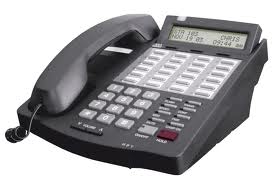
Chances are that someone in your organization will be called on at one time or another to give a phone interview with a journalist. Like any interview opportunity it is essential to deliver a clear and compelling message that positions your organization for success.
The difference between a face-to-face interview and a phone interview is that the only tool that you have to communicate your message is your voice. Ragan’s PR Daily posted an article titled, “7 tips for giving a better phone interview,” that offers some helpful guidance. Consider the following:
- Get out of your office. If possible, don’t do a phone interview at your desk where you can be distracted by incoming emails, phone calls and visitors. Try to find an empty conference room with no distractions and tape a “Do Not Disturb-Interview in Progress” sign on the door. This will ensure that you are focused on the interview and are being respectful of the journalist’s time. Nobody likes to be interrupted.
- Bring your notes. Notes are a helpful tool for phone interviews. Since the interviewer cannot see you, you are free to glance at your notes. However, do not read directly from the notes. Use them as a tool to trigger your memory or from which to recite statistics and facts. Reading from your notes will make the conversation seem scripted and less authentic and that is not the image you want to convey during an interview, even on the phone.
- Get a headset. Telephone headsets are ideal for phone interviews. This allows you to use your hands to gesture, not only making you feel more comfortable, but helping to emphasize your voice to make a point. This also frees up your hands to write notes or search for information in necessary.
- Stand. This tip is often forgotten during a phone interview, but is an easy way to give yourself an advantage. In addition to helping you “think faster on your feet,” your delivery will come across as more powerful because you are projecting from your diaphragm.
- Smile. Just because the interviewer can’t see you doesn’t mean he or she can’t hear you smile. When used appropriately, the reporter can hear the warmth through your voice when you smile.
- Use a landline. As more and more people ditch the landline in lieu of mobile access, this can be challenging. However, using a landline helps avoid dropped calls and the speakers usually provide better sound quality.
As a former TV journalist, I can tell you that most people prefer to give phone interviews because they feel safer. However, it can be more difficult to deliver a clear message effectively. These tips are a great start to giving a better phone interview. When accompanied by preparation and knowing your key messages, you will be prepared for success.