
Most people have a problem with change and I am no exception. So when I logged into Facebook a few weeks ago, I was sent into a panic as once again another change was made to my trusty social networking site. As I scanned over my newsfeed, post after post was complaining about the new interface. As I tried to re-learn how to navigate Facebook with its new layout to make sure I was getting the most current and relevant information on my friends and family, I wondered why people get so upset about change, why is it necessary and could communication have improved consumer reception of the changes?
Why don’t we like change? Perhaps it’s because change requires us to re-learn an already formed behavior.
I came across an interesting blog post on ZDnet’s iGeneration blog called, “Why do Facebook users hate change?” that helps to shed some light on why this new change was upsetting for many users. Previously, users could intuitively navigate their profile, news feed and friends’ profiles. But with this most recent change, information might not be in the place they once found it or as accessible as it once was.
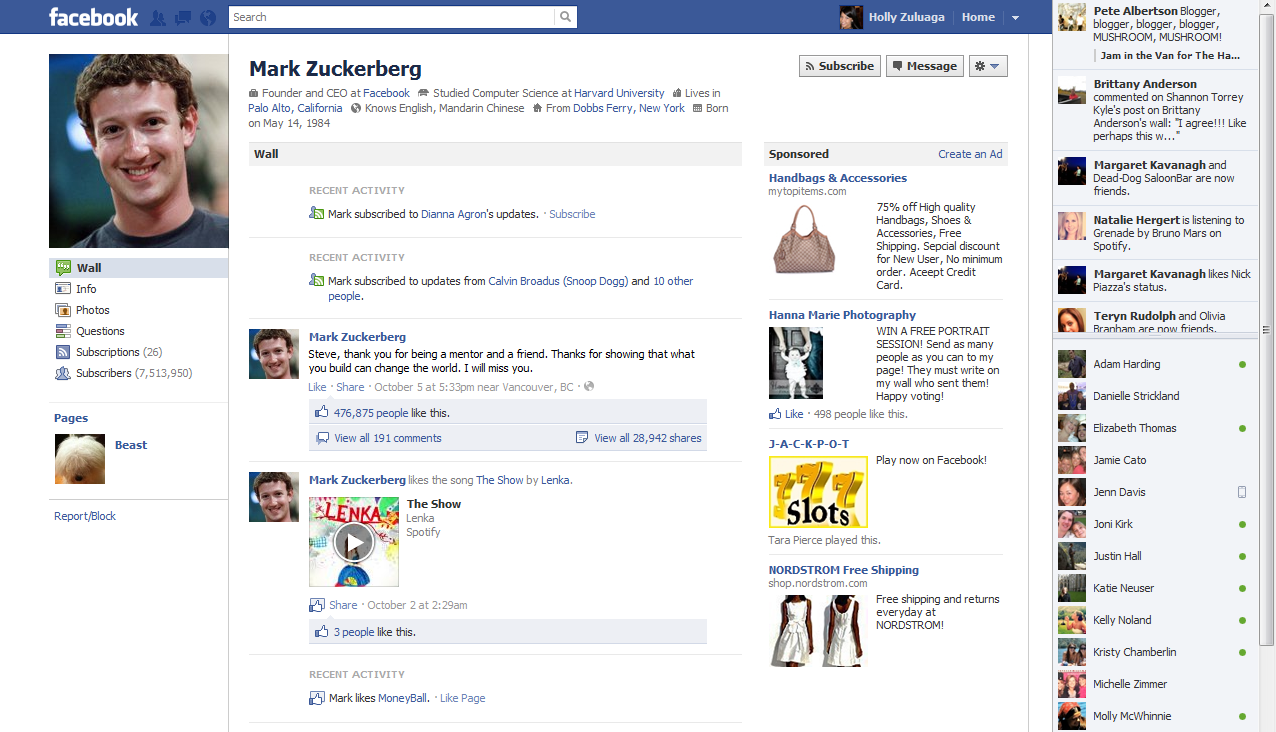
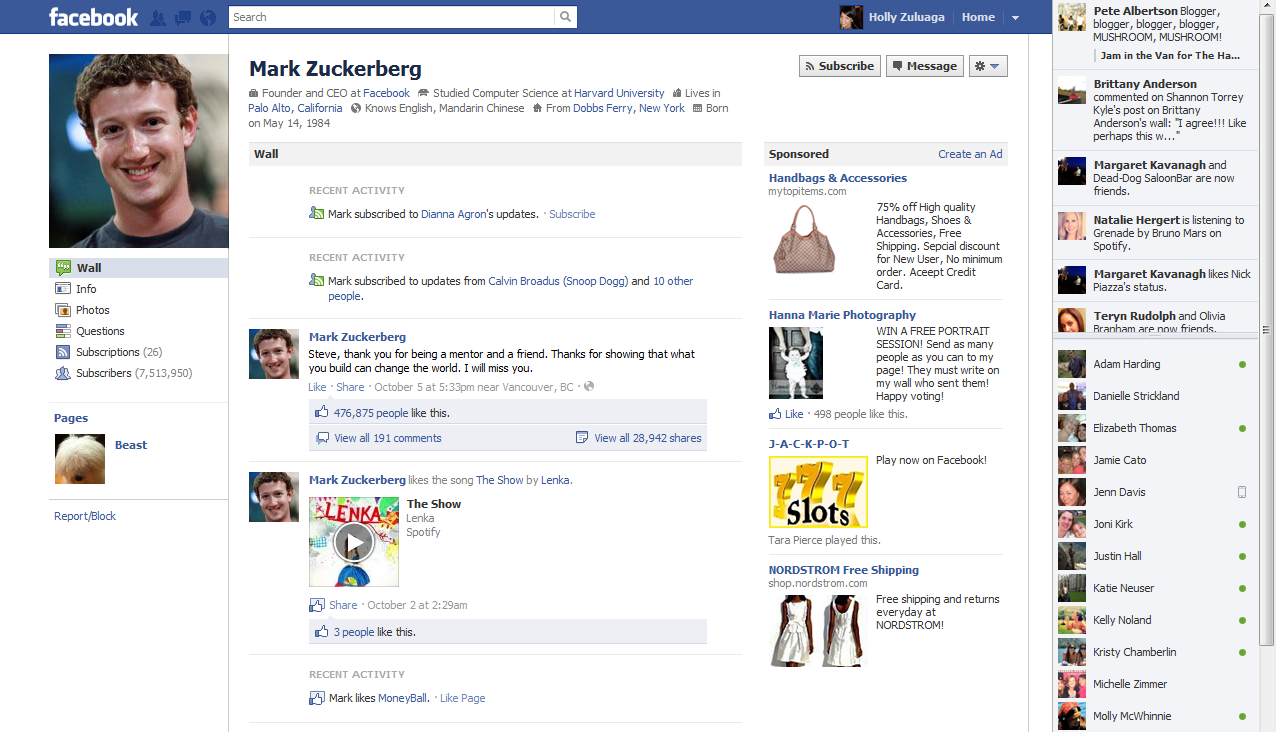
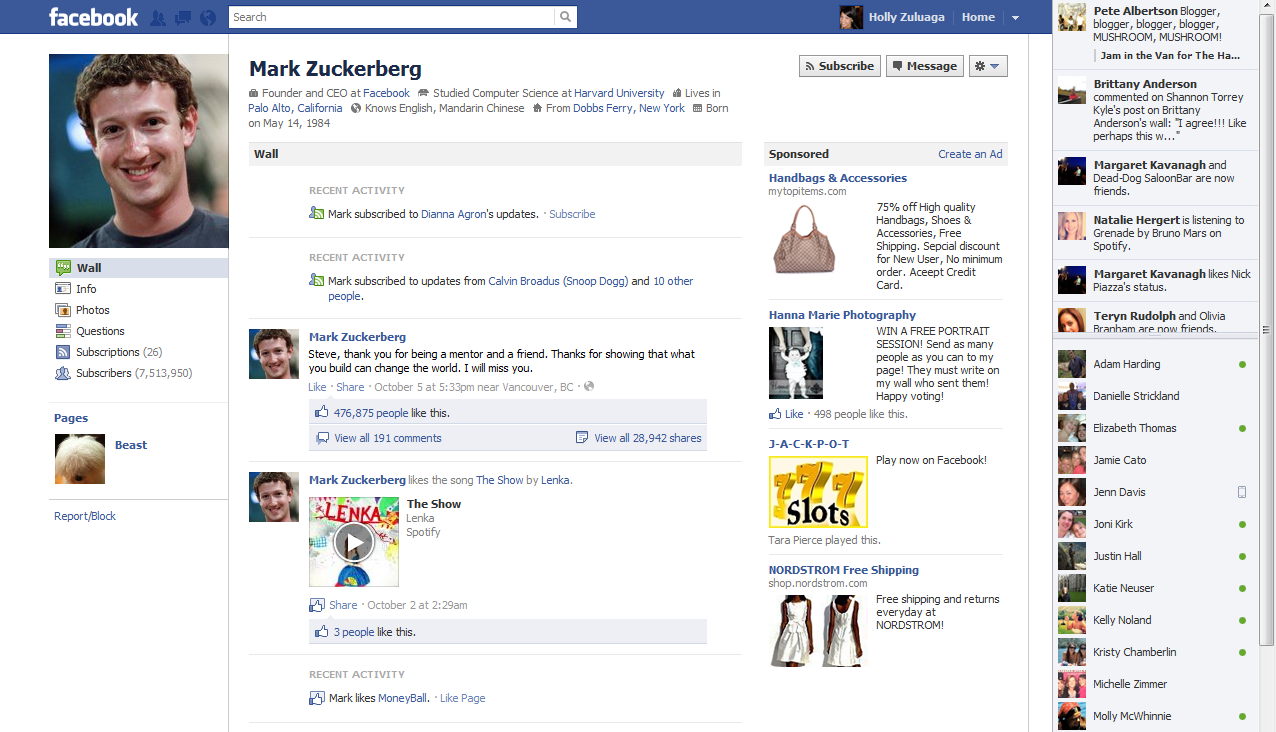
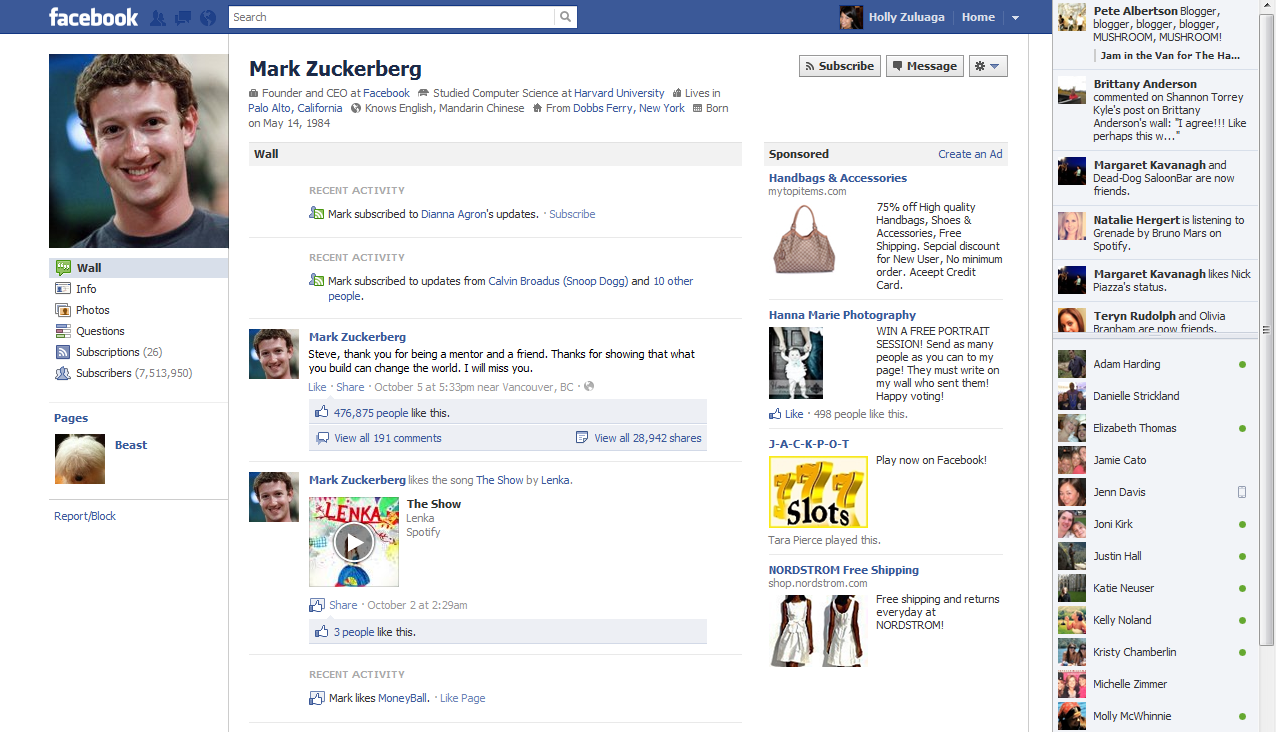
The blog also looks at why Facebook needs to change. As much as people don’t like change, people also don’t like a stale product that never evolves. Because of this, Facebook needs to keep up with other social networking sites. As the blog noted, “Facebook needs to be seen as progressive; otherwise it could be demonised or fall into the trap of ‘being the next MySpace’.”
So how should a company communicate change when it is inevitable? First, communicating change is most effective when it is highlighted before the change takes place. Making a formal statement or sending information prior to the change taking place helps prepare customers for the transition and creates transparency. Additionally, make sure to have effective messaging in place. For more information on the importance of messaging, read our previous blog post, “Netflix’s Launch of Qwikster: A Good Reminder for Developing Effective Messaging.” Finally, provide a reason and offer helpful hints to aid in the transition. Customers or employees are more likely to respond well if they feel informed about the underlying reason for the change; it helps to understand the decision.
While change in many cases is inevitable, change does not have to upset customers. Change can be positive when strategically positioned and effectively communicated. This helps to build loyalty among customers, clients and employees.