
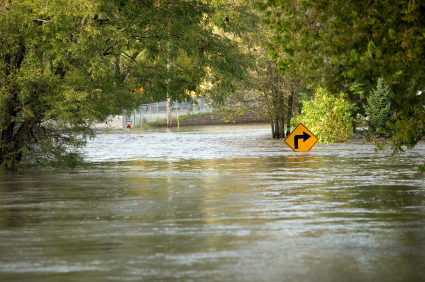
A little over two weeks ago my little sister, a student at University of Colorado at Boulder, sent me a link to a video of a river roaring through what is usually the calm creek near the campus. She then told me about the dramatic changes that had occurred to the city of Boulder due to the catastrophic flash floods. Streets were overflowing, buildings were being damaged and destroyed, and the aforementioned creek had turned into a dangerous rip-roaring river. The severity of this rain storm left the city with more rainfall in one week than is typically seen in two years. Due to the extreme circumstances, the citizens of Boulder were concerned for their health and safety. Citizens were left with critical questions: Is the water safe to drink? When will the power be back? Is it safe to drive outside today?
Looking for answers to their health and safety questions, a significant number of citizens turned to social media to get their updates. Facebook, for example, was taken over with pictures, videos and “facts” about the flash flooding. While Facebook, along with other forms of social media, may seem like a great way to find information on recent events, there are downsides. An article in PR Daily pointed out the complicated nature of deciphering what is true and what is false when there is an influx of information on your newsfeed.
Information on Facebook can spread rapidly, so how do you decipher a rumor from the truth? Finding a reliable source became essential during this hectic time. According to PR Daily, the Twitter feed of the city’s Office of Emergency Management posted about 500 tweets and retweets updating the city on important news surrounding the floods and citizen safety. Keeping citizens up to date helped put to rest any uneasy feelings surrounding rumors being spread on social media.
Citizens also found solace in other reliable updates that were given throughout the course of the storm. The National Weather Service sent text messages with updates about the floods and conditions of the area. The school district sent updates to students’ parents as well, informing them about school damages, closures and resources for help with their children during this time. Being well-informed was crucial for citizens. Not only did their health and safety depend on it, but also their emotional well-being. While social media can be a great outlet for up-to-date information, it is important to sort through what is fact and what is rumor before the anxiety that comes with the rumors consumes you.
For other information about social media refer to these posts on the Communiqué PR Blog: