
Have you ever experienced the sinking feeling of seeing a typo in something you wrote—whether it’s a published article, a press release or an important email—and realizing there’s nothing you can do about it? Once the email has been sent or the article has been published that typo will live on forever. And if the mistake is big enough to warrant fixing it, you endure the embarrassment—and ire from your editor—that comes with running a correction.
Everyone makes mistakes, which is why proofreading is so important. Following are a few proofreading tricks that have effectively helped me avoid making cringe-worthy errors.
Give it a rest. If time allows, set aside your finalized piece for a few hours or even days before proofreading it again. Seeing it with fresh eyes will make inadvertent mistakes stand out more clearly.
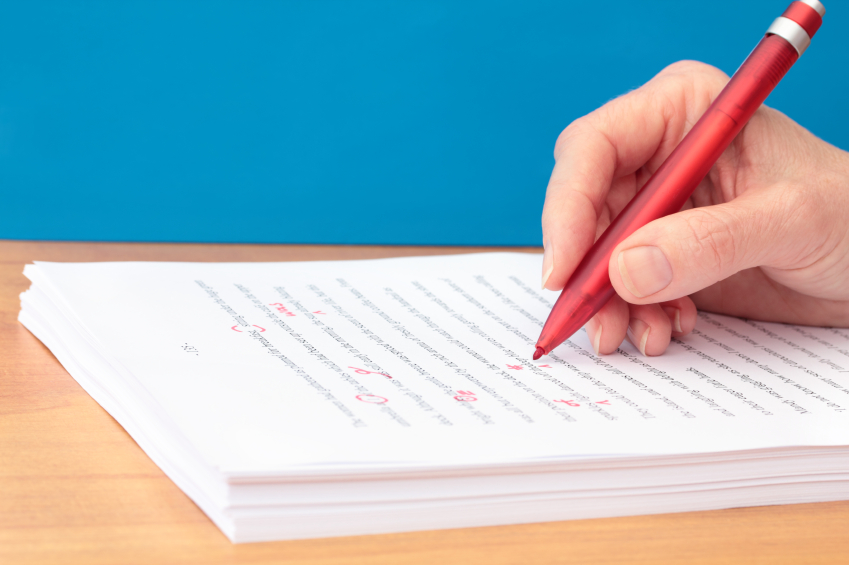
Print it out. You’ll catch more errors if you print out your text and proofread it on paper. The human eye reads onscreen material much more quickly and, consequentially, less carefully.
Use big font. If you have to proofread onscreen, increase the font size to make errors easier to identify. It also helps to double-space the document. In addition, turn on the show/hide feature on the Microsoft Word toolbar to highlight extra spaces between words or paragraphs.
Use Microsoft Word’s proofreading capabilities. Consider turning on proofreading capabilities in Word. These features can act as a safety net that catches obvious errors. Make sure you select preferences from the advanced options menu such as checking spelling as you type, using contextual spelling, marking grammar errors and identifying when you are using passive or active voice.
Cross-check every fact. Even if you’re almost positive something is correct, double-check it just in case. This applies to names, titles, places, publication names, statistics, addresses and dates. Pay close attention to dates and times when sending meeting invitations, particularly if the participants are in different time zones.
Refer to your AP Stylebook often. All documents related to journalism and PR should adhere to AP Stylebook guidelines. If you’re unsure, look it up. Keep in mind that the most common AP style mistakes are related to abbreviating state names, capitalizing titles or deciding when to write out numbers.
Create your own proofreading checklist. Develop a list of mistakes you commonly make and check each piece of writing for those errors in particular.
Use a ruler. As you proofread, put a ruler under each line in your hardcopy to keep your eye from jumping ahead to the next line.
Ask for help. Always have someone else review your work before submitting it. A new set of eyes can catch errors that you overlooked.
Although there is no foolproof formula for catching every error, tips like these can help improve your accuracy. Are there any other proofreading tips that you find useful?