
In June, the USC Annenberg Strategic Communication and Public Relations Center released results from its eighth biennial Communication and Public Relations Generally Accepted Practices (GAP VIII) Study.
The report is focused on providing senior communicators with “guidance as they manage their organizations, develop strategy, and prepare for the future.” Data was gathered from professionals in a variety of organizations including corporations, government agencies and non-profits.
There were many notable findings from GAP VIII.
1. Budgets have recovered post-recession and, similarly, organizations across a variety of industries expect increases in staff growth in 2014. Some 40 percent of public company respondents expected PR/Communication budgets to increase in 2014 over 2013 levels.
2. Social media is widely used, with use of Twitter seeing dramatic growth; however, Facebook use has remained flat.
3. Measurement and evaluation are still in flux, illustrating the need for tools that measure “outcomes and actions rather than outputs.”
4. Agencies are recognized for “intellectual added value, rather than simple labor.” This was the first time in the study’s history that intellectual added value was the most commonly cited reason for working with agencies.
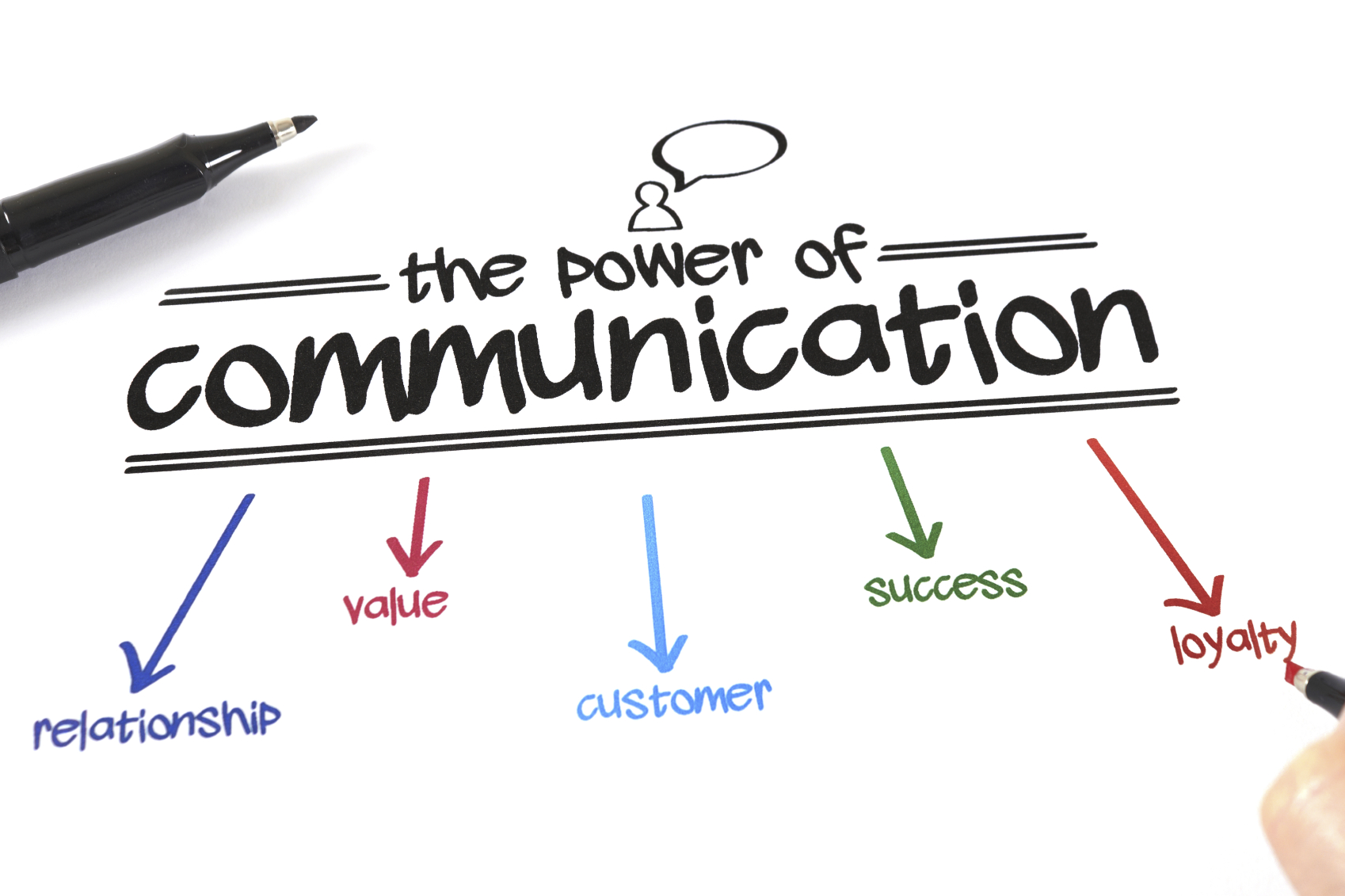
5. PR/Communication is an increasingly strategic contributor to organizational success. About 44 percent of the respondents indicated that “their senior leadership believes PR/Communication contributes to financial success.”
In the introduction to our book, Strategic Public Relations, we cited data from a previous GAP study which showed that senior managers rated PR as one of the top three contributors to organizational success. Previously PR had been near the bottom of the list. This year’s GAP illustrates PR’s rise in strategic importance to organizations.
The authors of the report wrote: “The results of multiple GAP studies, seen in combination with ample anecdotal evidence gathered from discussions with industry leaders, validate the existence of a very real trend: Many companies are giving communication and reputational considerations a far greater role in organizational planning and decision making than was previously the case, and [are] benefiting from that change. In this new environment, PR/Communication is seen as a strategic asset affecting enterprise-wide policy and behavior, rather than in its far more limited, historical role as a purely tactical, secondary, and largely marketing-driven function.”
We have seen this trend in practice as CEOs, CMOs and business owners now more often understand the value of having our team involved at a strategic level within their organizations and facilitating the sharing of information early in the decision-making process so PR and communication can be incorporated broadly.