
Insights for Leaders Navigating
Visibility, Credibility, and Growth.
From media strategy to reputation management, we explore the trends shaping public perception and share the approaches that drive measurable results for growing brands.

A recent Gallup “State of the Global Workplace” report highlights that about 20% of employees worldwide experience loneliness daily. That number rises to 25% among fully remote workers.
Experts say this is troubling because it impacts an individual’s well-being. Lonely employees also tend to be less engaged and productive.
Fortunately, Constance Noonan Hadley from Boston University’s Questrom School of Business and Sarah Wright from the University of Canterbury Business School have studied loneliness in modern workplaces for decades and offer practical steps for organizations to counteract it. Their findings were published in the November-December issue of Harvard Business Review.
Notably, Hadley and Wright found that in-person meetings don’t fix a company’s loneliness problem. This is good news for remote-first organizations like ours.
The authors suggest that the key to fighting workplace loneliness is to foster connections and a sense of belonging in other ways. Some of the top things on their list include:
- Consider your company or team’s social landscape. Hadley and Wright suggest measuring loneliness through their survey, the Work Loneliness Scale. However, this might not always be feasible for employers, especially in small businesses like ours, where protecting employee privacy can be challenging. Fortunately, even if collecting data isn’t possible, you can still assess opportunities for connection and develop a plan to improve them.
- Create downtime for fostering connections. Building relationships takes time, so managers should consider when and how this will happen. The authors point out that understaffed organizations often struggle to help employees build in time to foster relationships.
- Consider your culture. Many believe that a positive workplace culture directly correlates with employee satisfaction, engagement and loyalty. But culture also acts as an antidote to loneliness. The authors note that small gestures—such as acknowledging birthdays and other important life milestones—can make a big difference.
- Identify activities that will work for your group, then schedule them. They don’t have to be complicated, and many can happen virtually. For instance, dedicate time at the beginning or end of Zoom or Teams meetings for team members to check in and chat about life outside of work. Consider in-person lunches, connecting at a coffee shop or organizing off-sites as opportunities for more in-depth connections.
I recommend checking out the article for additional tips. I found it inspiring and was glad to see that we’re already doing many of these things. It makes me even more enthusiastic about our December off-site. Hadley and Wright’s work is a wonderful reminder of the importance of inclusivity and the positive impact we can all have on one another by making a little extra effort to connect.

ZAPI GROUP, a global leader in electrification headquartered in Italy, recently announced its presence at The Battery Show North America and the launch of the ZIVAN SG9. The new ZIVAN SG9 is a 9 kW off-board charging solution for off-highway vehicles and machines. ZAPI GROUP showcased the ZIVAN SG9 along with its full range of on-board and off-board charging solutions with Delta-Q Technologies and ZIVAN Srl at the show.
To make the announcement a success, Communiqué Public Relations (CPR) partnered with ZAPI GROUP to finalize the press release and conduct a successful media strategy. We ensured the press release incorporated all key messages and vital information like product and event details.
In the lead-up to the show, CPR conducted embargoed outreach to generate interest and secure interviews. We offered reporters at the event an exclusive preview of the news and the opportunity to schedule interviews with ZAPI GROUP executives, which led to four interviews with leading industry publications. Given how quickly reporters’ schedules fill up during such events, this proactive outreach was crucial in securing their attention.
To prepare ZAPI GROUP executives for these interviews, we developed a comprehensive briefing document. This included interview logistics, reporter background information, publication details, anticipated questions and recommended talking points. The document ensured executives were well-prepared, confident and able to effectively convey key messages.
On the day of the announcement, CPR conducted outreach to share the news with both attendees and media covering the electrification industry. We crafted a strategic pitch highlighting the unique features and industry impact of ZAPI GROUP’s new charging solutions, sparking interest from trade publications.
Our efforts resulted in 11 pieces of media coverage, underscoring the success of the announcement.
We are proud to partner with ZAPI GROUP and to support them in sharing their latest innovations and advancements.
ZAPI GROUP The Battery Show Coverage Recap
- OEM Off-Highway: Battery Show 2024 Recap: Digital Automation, Innovation at Forefront – 10/16/24
- Charged EVs: ZAPI GROUP launches ZIVAN SG9 charger for off-road EVs – 10/16/24
- Bauaelectric: ZAPI launches ZIVAN SG9 charger for off-road EVs – Charged EVs – 10/16/24
- Powertrain International: ZAPI launched the Zivan SG9 at The Battery Show North America 2024 – 10/14/24
- EE Power: TBS 2024: Innovations for Batteries, EVs and More – 10/12/24
- Material Handling Wholesaler: ZAPI GROUP to exhibit unparalleled range of Charging Solutions at The Battery Show North America 2024 – 10/11/24
- Power & Motion: New Technology for EV Production and Operation at The Battery Show 2024 – 10/7/24
- NSDigital World: ZAPI GROUP to exhibit unparalleled range of charging solutions at the battery show – 10/3/24
- AutoTechInsight: Zapi Group to showcase charging solutions at Detroit Battery Show – 9/30/24
- EV Engineering: New 9-kW charging solution for off-highway vehicles and machines – 9/27/24
- Batteries News: ZAPI GROUP to Exhibit Unparalleled Range of Charging Solutions at The Battery Show North America 2024 – 9/27/24

Last month, we had the pleasure of supporting our client, Tideworks Technology (Tideworks), as they launched their new Data Platform solution and hosted the 2024 Tideworks Customer Conference. Communiqué PR assisted with event planning and sharing the new Data Platform product with key media. It was an exciting month for Tideworks and a fun opportunity to collaborate with their team.
Tideworks is known for providing full-service terminal operating system (TOS) solutions. Last month, the company introduced Data Platform, a comprehensive data solution for terminal stakeholders. This platform integrates with Tideworks’ core TOS solutions, offering seamless access and use of near real-time and historical data. Data Platform launched during the 2024 Tideworks Customer Conference.
The conference took place on September 25-26 in Seattle. It was great to see participation from the Tideworks team, a solid turnout, and presentations from customers and partners. The event included keynote speakers, case study presentations, product demos, and panels. The conference offered insights from thought leaders across the marine and rail industries
The event was a great reminder about the value of in-person gatherings and the importance of appreciating groups and individuals who have been instrumental in company growth and innovation.
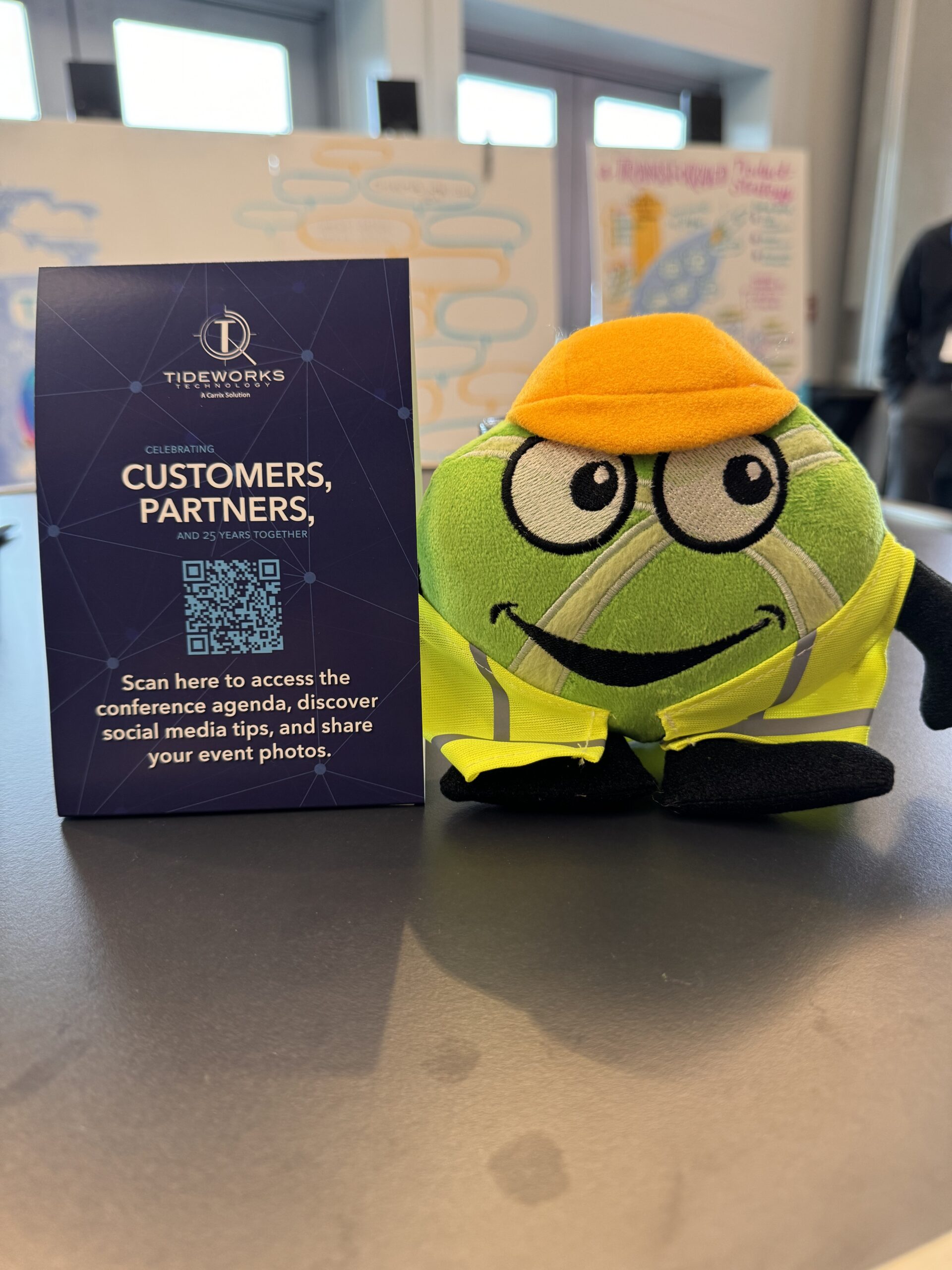
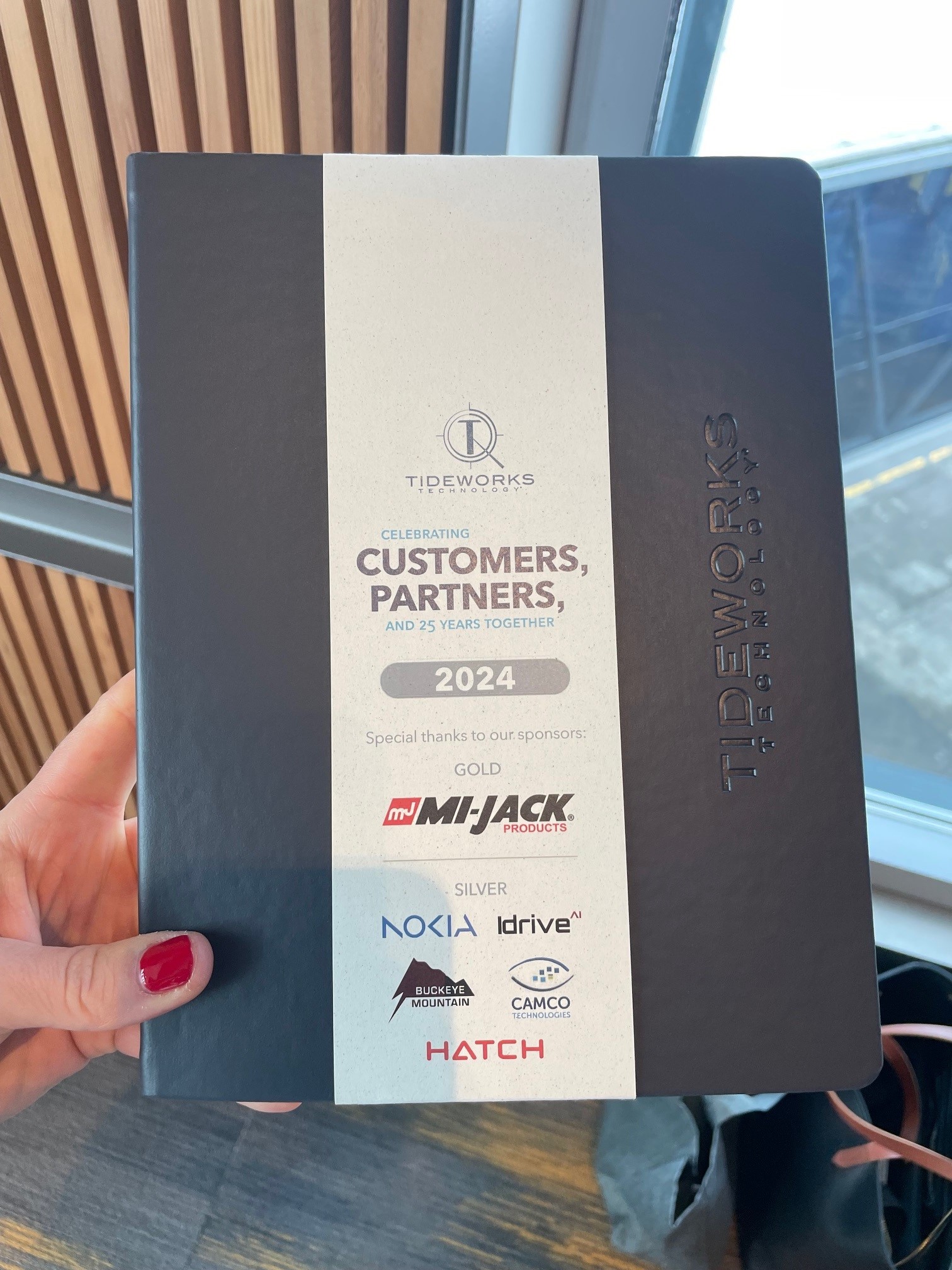
In preparation for the 2024’s conference, we worked with Tideworks and our stellar graphic designer to create signage graphics, a journal band, a QR code, and other materials to enhance the conference experience. On the media front, we handled press release distribution and shared embargoed news with key industry reporters to schedule interviews before the announcement date.
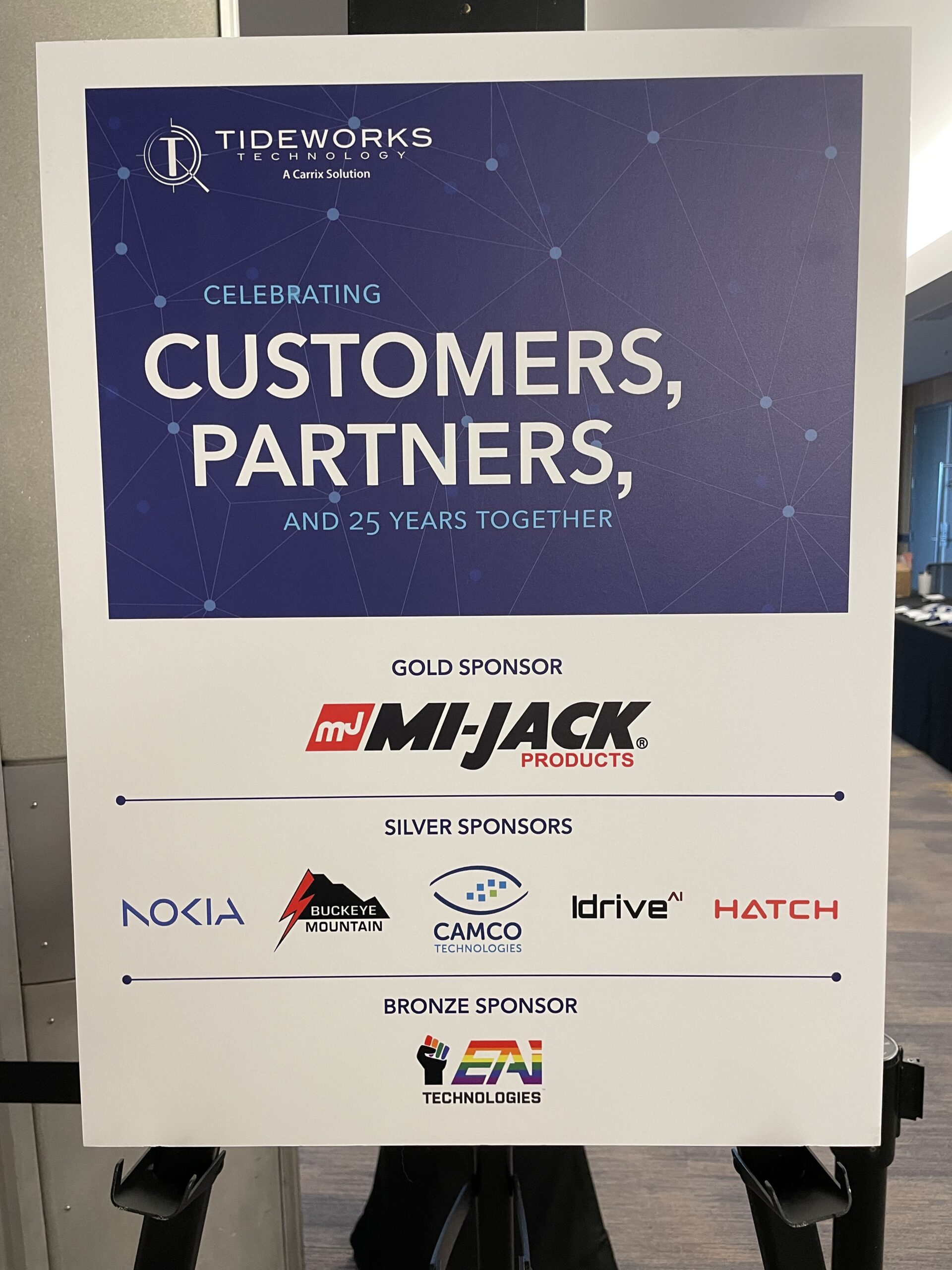
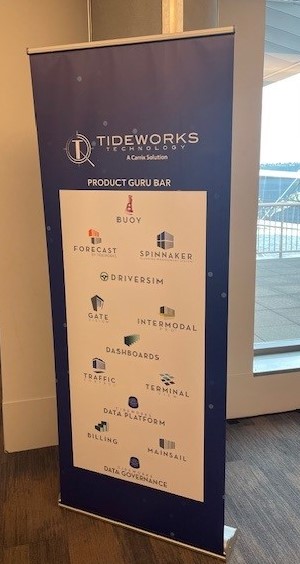
In preparation for the 2024’s conference, we worked with Tideworks and our stellar graphic designer to create signage graphics, a journal band, a QR code, and other materials to enhance the conference experience. On the media front, we handled press release distribution and shared embargoed news with key industry reporters to schedule interviews before the announcement date.
I’ve included some images of the graphic materials and a few of the articles that were published.
- WorldCargo News: Tideworks launches Data Platform
- Container Management: Tideworks launches new Data Platform solution
- Port Strategy: Tideworks launches new port data platform

In September, Nike announced that former senior executive Elliott Hill would replace John Donahoe as president and CEO. This was an effort to boost recent years of lackluster sales. Under Donahoe, Nike focused solely on quick returns, at the cost of funding and interest to their PR and marketing departments. This ultimately hurt the company and brand in the long term.
Let’s explore what didn’t work, what Nike lost, and what the future may hold.
What didn’t work
After Donahoe took over Nike in 2020, the company pivoted to a direct-to-consumer model, which did well in the early years of the pandemic. However, Nike’s focus on e-commerce placed departments such as product innovation and resonant marketing on the back burner. Smaller competitors like On Running swooped in with grassroots marketing and new products that got people talking.
Nike’s lack of planning for future products and ways of marketing them ultimately hurt the company. Shoppers passed over Nike’s stagnant offerings. In June of 2024 their stock was down 20%, creating the worst day in their 44-year history as a publicly traded company.
What Nike lost
Looking at Nike’s past success, it’s easy to see what the company where the company has faltered. Communiqué’s blog post, Achieving Greatness Through Empathy, highlights some of Nike’s most memorable marketing moments. Some effective campaigns include:
- Michael Jordan’s “Wings” poster, showcasing the superstar’s impressive wingspan.
- Colin Kaepernick’s “Believe in Something” ad, addressing Kaepernick’s sacrifices for civil rights.
- The “Find Your Greatness” campaign, showing that everyone can succeed.
The critical takeaway is investing in ways to engage a diverse target audience. Nike tailors its messaging to resonate with various demographics, from elite athletes to everyday fitness enthusiasts. PR plays a critical role in amplifying these messages, ensuring they reach the right people at the right time.
Nike frequently collaborates with influencers and athletes who embody its brand values. These partnerships enhanced Nike’s credibility, generated buzz, and fostered community engagement. When a celebrity athlete shares their story of resilience, it’s not just a marketing campaign; it’s a PR opportunity that can inspire millions. When Nike’s pivoted to a direct-to-consumer module, they spent less time and focus creating these memorable campaigns, losing a big factor in what made the brand so relevant.
What the future holds
Many are excited for Nike’s new direction. News of Elliott Hill’s return to the company has been highly positive, with an “audible cheer on Nike campus when the news [was] announced.” Hill’s arrival is seen as a return to what made Nike a household name. Hill was previously Nike’s president and led all commercial and market operations for the company brands before retiring in 2020.
It might seem like a marketing and PR investment is an extra unnecessary cost, especially in the beginning of the pandemic when Donahoe started as CEO, but the investment often leads to high returns and stability in the long term. The business landscape constantly evolves with new trends, technologies, and consumer behaviors. Businesses can adapt their strategies by analyzing market trends and consumer insights and remain competitive. This agility is crucial for long-term success.
Companies prioritizing their marketing and PR departments are better positioned to seize opportunities and navigate challenges in a rapidly changing environment. The cost of neglecting these areas far exceeds the investment required, as Nike showed. Engaging customers in meaningful ways and staying competitive are critical to long-term success.
Focusing only on quick returns with the direct-to-consumer model ultimately hurt Nike’s brand. Hopefully, with the new leadership’s renewed interest in PR and marketing, Nike can make a triumphant return.

Buying a car can feel like a whirlwind of decisions, negotiations and gut checks—much like navigating public relations. As I recently ventured through the car-buying process, it struck me how many PR lessons I could glean from this experience.
From asking the right questions to building trust and understanding the market, the skills required in both situations are strikingly similar. Whether you’re securing a vehicle or managing a brand’s reputation, the fundamentals of strategy, critical thinking and relationship-building hold true.
Here are four key PR takeaways from my journey at the dealership.
#1: Critical Thinking: Always Do Your Homework
When you’re buying a car, it’s easy to get swept away by shiny features and enticing sales pitches. However, just as in public relations, critical thinking is essential. Before stepping foot in the dealership, I researched the market, read reviews, compared prices, and weighed the pros and cons of each model I considered.
In PR, the same principle applies—before crafting a campaign or responding to a crisis, it’s vital to understand the landscape, competitors, and potential challenges. Gathering information and thoroughly analyzing it helps make informed, strategic decisions that lead to better outcomes.
#2: Asking the Right Questions: Dig Deeper
Purchasing a car requires shoppers to ask the right questions, such as “What’s the car’s maintenance history?” and “How will this model hold its value over time?” Answers provide the shopper with a clearer picture of how they’re spending their money.
Similarly, PR professionals must ask probing questions to determine a client’s objectives, upcoming announcements, expectations, approval processes, etc. Asking good questions (and writing them down in advance) helps draw out vital information to accomplish a task. Intentional questions also help PR pros craft more authentic and transparent messaging for our clients.
#3: Building Trust: Relationships Matter
Successful car-buying experiences often come down to trust between the shopper and salesperson. Trust is equally critical in PR. A brand’s target audiences must believe in the brand’s promises. That belief is earned through consistent, reliable actions. In both car buying and PR, transparency, honesty and reliability are the cornerstones of trust.
During the car-buying experience, I abandoned one dealership after receiving a misleading explanation of why their sticker prices were higher than other locations. Breaking trust cost the dealership my business. Building trust is vital to the success of any business, and public relations plays a crucial role in establishing and maintaining trust through transparent and timely communication.
#4: Negotiation and Reputation: The Art of the Deal
In any car-buying scenario, negotiation is a given. How we handle negotiating affects the final price and sets the tone for the entire experience. Similarly, PR professionals negotiate constantly—whether securing media placements, managing client expectations, or navigating partnerships. The ability to strike the right balance in these negotiations is crucial. A well-executed negotiation can elevate a brand’s reputation, while a misstep can erode trust.
For example, securing an exclusive interview with a top journalist through thoughtful negotiation can significantly enhance a brand’s credibility and visibility. However, overpromising access or delivering incomplete information can lead to strained relationships, damaging both media trust and the brand’s reputation. PR professionals must create value without compromising integrity.
In both car buying and public relations, success hinges on preparation, communication, and building meaningful relationships. Just as I navigated the dealership with strategy and foresight, PR professionals must approach their work critically, asking the right questions and maintaining trust at the core of every decision. Whether you’re negotiating a purchase or a media placement, the lessons from this experience underscore the importance of integrity, clarity, and realistic expectations. In both arenas, it’s not just about closing the deal—it’s about creating lasting value and ensuring a positive reputation well into the future.

Acumatica, the leading cloud ERP provider for small to mid-sized businesses, has again garnered significant awards across various categories. This recognition reinforces its reputation as a top performer in the tech industry.
From workplace culture to product excellence, Acumatica’s achievements highlight the company’s unwavering commitment to innovation, customer satisfaction, and corporate responsibility. Here’s a look at the company’s recent wins.
A Workplace That Shines
Creating a positive and supportive work environment is foundational to Acumatica’s success. In June 2024, Acumatica was recognized as a “Great Place to Work,” with an impressive 98% of employees expressing pride in being part of the organization. This accolade underscores how Acumatica fosters a workplace culture that prioritizes employee satisfaction, well-being, and professional growth.
Acumatica was also honored as one of Washington State’s Best Companies to Work For in 2023. This recognition highlights Acumatica’s ongoing efforts to create an inclusive and rewarding environment for its employees, further solidifying its status as an employer of choice in the region.
Product Excellence in the Spotlight
Acumatica’s commitment to technological innovation continues to be recognized across the industry. The company’s products set the standard for excellence, earning multiple awards that highlight its leadership in cloud-based ERP solutions:
- 2024 SIIA CODiE Awards: Acumatica was named the Best Construction Management Platform, recognizing the Acumatica Construction Edition’s superior performance in construction business management. This award showcases Acumatica’s ability to deliver specialized solutions that meet the unique needs of the construction industry.
- Construction Executive’s Top Construction Technology Firms 2023: Acumatica was included in this prestigious list, highlighting its influence in the construction technology sector.
- TrustRadius Best of Awards: Further demonstrating its product excellence, Acumatica secured three 2023 TrustRadius Best of Awards in the ERP category. These awards reflect the high level of customer satisfaction and the effectiveness of Acumatica’s solutions in addressing real-world business challenges.
Community and Sustainability Leadership
Beyond product innovation, Acumatica is also committed to sustainability and corporate social responsibility, as reflected in its AcumatiCares program, earning recognition in diverse venues, including:
- MeetGreen “Visionary” Event: For the second consecutive year, Acumatica’s annual Summit event received the highest sustainability ranking from MeetGreen, underscoring the company’s dedication to environmentally conscious practices. This recognition reflects Acumatica’s commitment to reducing its environmental footprint and promoting sustainable business operations.
- TrustRadius Tech Cares Award: For the third year in a row, Acumatica received the TrustRadius Tech Cares award, celebrating its leadership in corporate social responsibility. This award reflects Acumatica’s ongoing commitment to positively impacting society through ethical business practices and community engagement.
- CRN Partner Program Guide: Acumatica’s thriving community is a testament to its leadership in empowering small and mid-sized businesses through partnerships. The company’s channel program earned a five-star rating in the 2024 Partner Program Guide from CRN, marking eight consecutive years of recognition. This consistency underscores Acumatica’s leadership in building supportive and collaborative partnerships that drive mutual success.
Unwavering Customer Commitment
At the heart of Acumatica’s success is its commitment to serving customers. Its dedication has been recognized through several prestigious awards, including:
- CRN’s MES Midmarket 100 List 2024: Acumatica’s inclusion in this list demonstrates its strong focus on serving mid-market businesses across industries, providing them the tools needed to thrive in a competitive landscape.
- Globee Awards for American Business: Acumatica received a gold award for Achievement in Customer-Centric Solutions at the 9th Annual 2024 Awards. This recognition underscores Acumatica’s commitment to delivering exceptional customer experiences and solutions tailored to its clients’ specific needs.
These awards are a testament to Acumatica’s ongoing efforts to lead in innovation, workplace culture, product development, and community impact. For small to mid-sized businesses looking for a reliable and forward-thinking ERP provider, Acumatica’s track record speaks volumes. As Acumatica continues to grow and evolve, it sets a high standard for excellence in the tech industry, consistently pushing the boundaries of what is possible in cloud ERP solutions.