
Recently, Mashable pulled together a group of brand experts to conduct a Twitter chat focused on strengthening your personal brand. A full summary of the questions and answers posed by @mashbusiness can be found here. After my own review of the feedback from the experts, I came to three overarching ideas that can stand as the building blocks for creating your unique, personal brand.
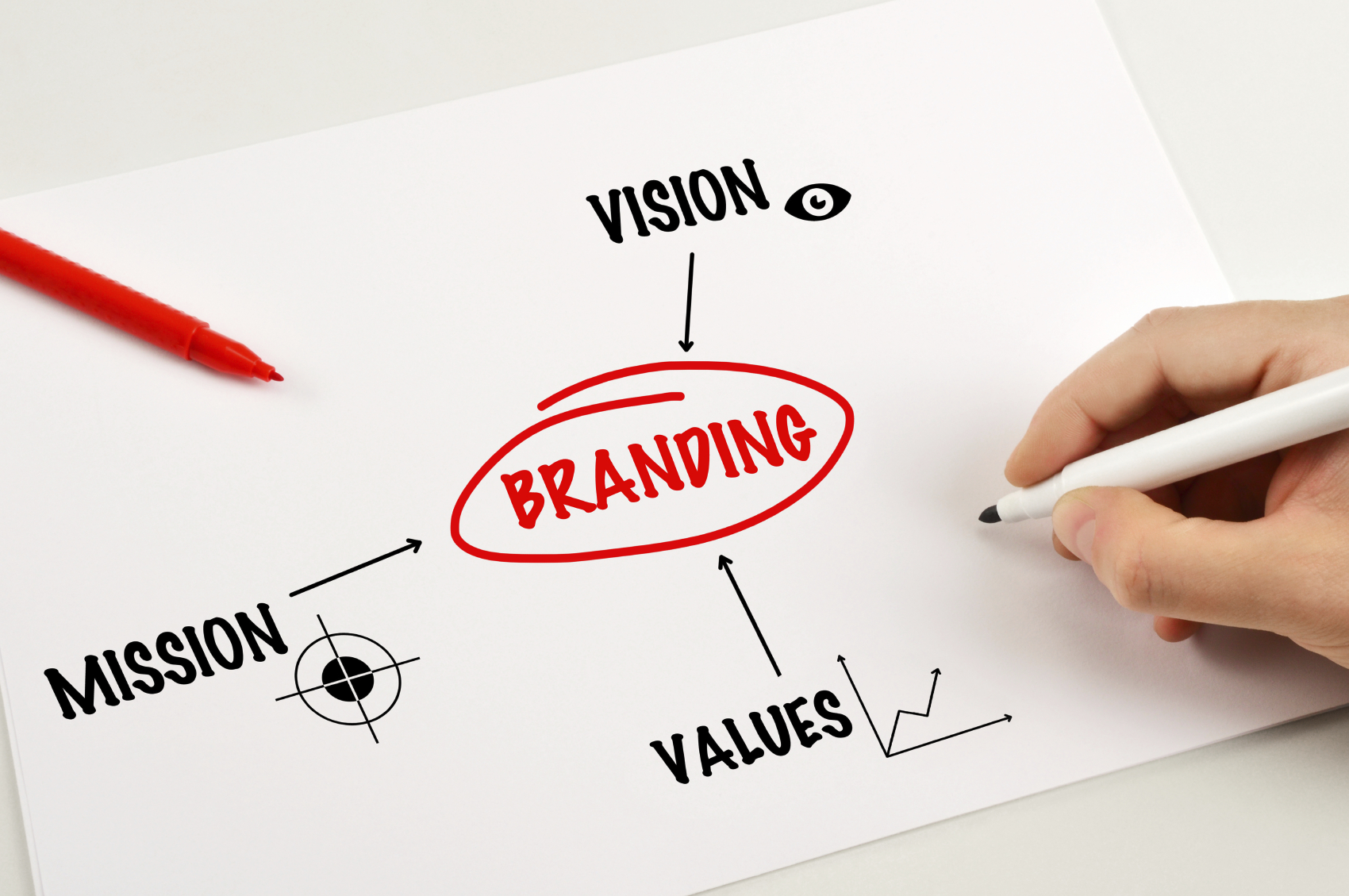
Figure out who you really are
In today’s tech-focused world, more often than not, others’ first impression of you is going to take place online and people are only going to know you by what you choose to share through online channels. Take advantage of this by creating a brand image that honestly demonstrates the values and skills that you have to offer. A great exercise is to be able to describe your personal brand in no more than five words while still portraying your abilities, personality and passions. For example, Disney’s mantra is “fun family entertainment.” Within this mantra, you can identify an emotional appeal, a descriptive modifier, and the company’s overall function. Experts suggest identifying your personality, who or what you are trying to appeal to, and what it is that you do. Taking the time to do this will aid in creating a consistent and more powerful on and offline brand that you can be confident about. This can be a daunting task as it calls for putting egos on the backburner and reflecting on one’s self. Although this exercise is called personal branding, it’s important to consider that your brand is about more than just yourself; it can be used to influence and inform those around you too.
Pick your platform(s)
So you have identified your brand message, now what? When branding yourself, connections mean everything. Pick a few channels to focus on and really showcase your brand. LinkedIn, as this is often the first place people will go for information, is a great place to start. Avoid spreading yourself over too many channels to maximize your chances of connecting with like-minded professionals as well as your target audience. Personal blogs and websites are one of the greatest ways to get your name noticed, especially on search engines. You can also use your blog to highlight design elements that showcase your creativity and personality. Social media outlets such as Twitter and Facebook should not be forgotten however, as they are the key to two-way communication with your audience. Regardless of what platform you choose to utilize, always be mindful that the content you are creating or sharing is of value and in line with your brand. Think quality over quantity.
Get feedback
Personal branding should be satisfying and a way to express who you are, but it also needs to resonate with your audience. Like many things, your first efforts at personal branding may require some revisions and listening to feedback will be crucial to help you in the editing process. Quantitative feedback, including likes, retweets, and mentions, as well as tools such as Google analytics, is a great way to assess whether or not you are striking interest with your target audience and followers. Setting goals and benchmarks for measuring your success will help you gauge your rate of return. The measures that you set should be unique to you and reflective of what you are trying to achieve (i.e. followers, opportunities, revenue). As part of your goal setting, create a schedule for regularly measuring your goals against your brand progress. While it is important not to get too hung up on the numbers, connections and views are going to be a good way to examine whether or not your brand resonates with your audience. Consider feedback carefully and then tweak your brand strategy accordingly.
Taking these tips into account will help strengthen your personal brand foundation and allow you to not only leave your footprint online, but to extend beyond the web as well. As you decide to begin cultivating your brand, realize that it is only going to be reinforced by reaching out for face-to-face meetings with people who would be interested in your brand message. Taking advantage of every opportunity presented to you to network and meet new people will allow your message to be communicated as broadly as possible.
For even more great tips, see our blog on Three Guidelines to Establish Your Personal Brand