
Insights for Leaders Navigating
Visibility, Credibility, and Growth.
From media strategy to reputation management, we explore the trends shaping public perception and share the approaches that drive measurable results for growing brands.
As blogging and social media continue to grow while the traditional media landscape shrinks, the buzz about influencer relations has been getting progressively louder in the PR world.

So what is influencer relations? Also referred to as influencer marketing, it is an approach that focuses on building relationships with opinion leaders who could become natural brand advocates. For example, Oprah is an influencer advocate for Ezell’s Fried Chicken – she eats it and endorses it as the best fried chicken because she loves it, but it does not appear that she is paid to do so.
Engaging with influencers is becoming an important, widely used strategy for earning brand awareness. If you do not have an influencer-relations program in place, following are five steps to get started.
- Identify the right influencer targets. If you aren’t targeting the right people, your program is doomed to fail. Finding the right targets is a two-step process. First, determine if their interests align with your client’s brand and viewpoint. Do this by reviewing their social media accounts, blogs, and any other online presence they have. If the answer is yes, then look at their audience engagement. Do they have a substantial following on social media? Are people engaging positively with their posts? If so, they are a good target.
- Conduct personalized outreach. Similar to media outreach, when conducting influencer outreach be sure to do some research about your target first. Study what they have been blogging or tweeting about recently and, if relevant, mention it in your email to them. Keep your correspondence succinct and include a call-to-action that clearly states what you’d like them to do. This could include sharing company news with their social media followers, writing a product review, or attending a company event.
- Add value. Forming a mutually beneficial relationship is critical to successfully engaging influencers. If you’re constantly asking influencers for favors but giving nothing in return, there’s no motivation for them to continue advocating for your brand. Support their work by posting about it on social media, sharing their posts with your followers, or mentioning them in content you’re creating. If you’re hosting an event with a mutual audience, invite them.
- Build a long-term relationship. Once you’ve made contact with an influencer, continue to foster the relationship by looking for thoughtful ways to engage with them. Don’t wait until the next time you need something from them to reach out. Take the time to get to know them and reach out with interesting articles, ideas, or to congratulate them on an accomplishment. When possible, set up an in-person meeting to get to know them better.
Building a successful influencer-relations program takes a great deal of time and persistence, but if you’re willing to make the investment it can be an incredibly effective strategy for raising positive brand awareness.
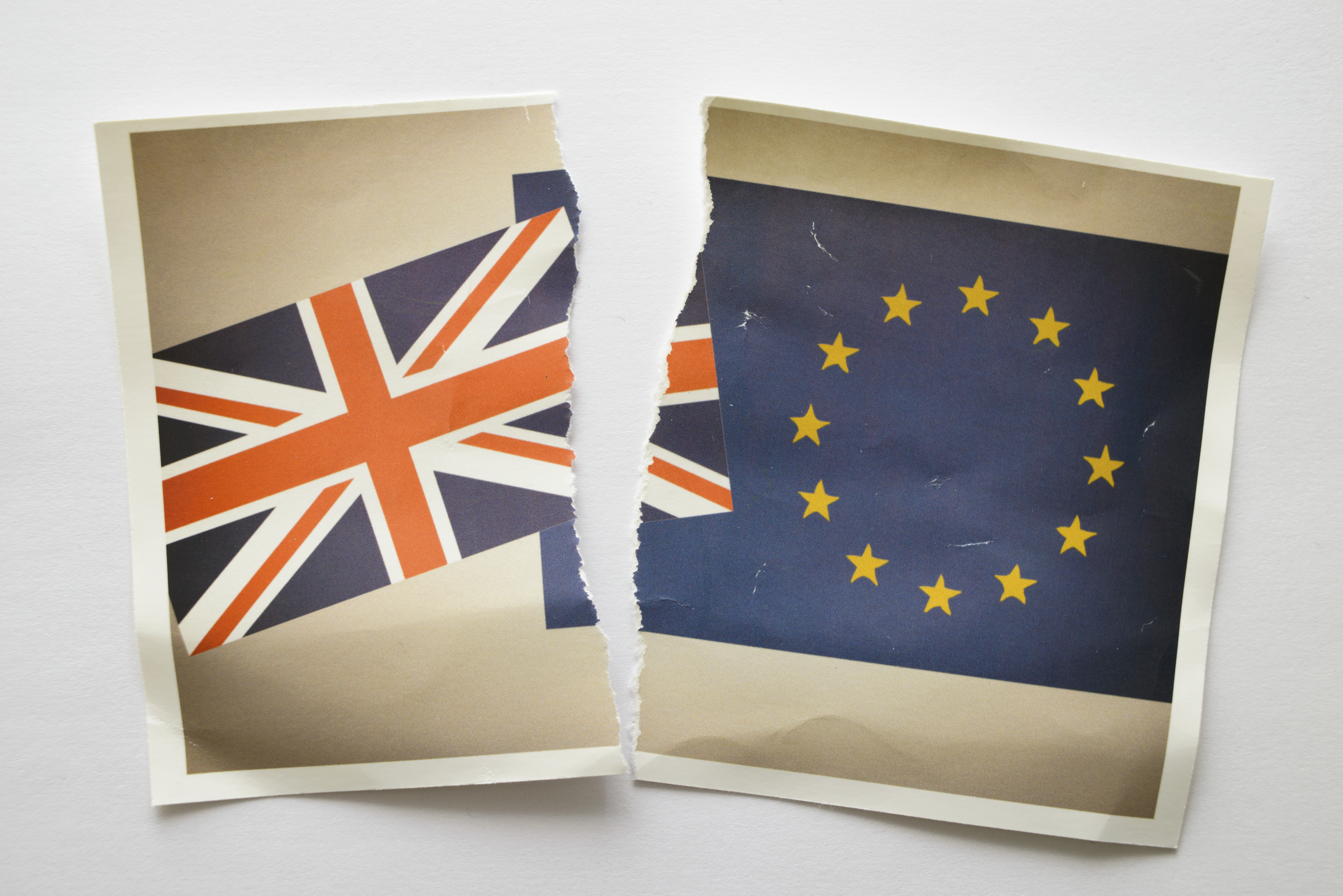
In what’s been deemed the “most expensive divorce in history,” British voters made the historic decision in June to leave the European Union. And like most political campaigns these days, it wouldn’t have been complete without the two sides duking it out on social media. Even the decision’s nickname, largely dubbed “Brexit” by the media, was a pithy neologism perfectly suited to social media.
Given the importance of social media in any political campaign today, it’s no surprise that both the Remain and the Leave camps leveraged social media to win hearts and minds. Younger voters, typically more active on social media, tended to vote Remain by significant margins. According to British Pollster YouGov, 75 percent of voters between ages 18 and 24 voted Remain. Yet despite younger voters’ overwhelming tendency to vote Remain, the Leave campaign was – ironically – far more successful at harnessing social media to galvanize its supporters.
On Instagram, Brexit Dominated
According to an analysis of the Brexit debate on Instagram, E.U. sceptics and Leave supporters dominated the discussion. Across the most popular hashtags, 32 percent of users shared clear anti-E.U. views, compared to just 12 percent sharing pro-E.U. or Remain sentiments. Moreover, Leave supporters tended to be “more passionate, active and outspoken” in their behavior, generating almost five times as many posts as the Remain voters. Interestingly, Leave sympathizers were far more active on Instagram, despite generally being older and seemingly less social media savvy than the Remain camp.
Though political and corporate campaigns often rely on user-generated content on Instagram to spread awareness, the Brexit vote offers a cautionary tale. Even though young people tend to side with more progressive values, politicians and companies can no longer assume this demographic will passionately share their views on Instagram, one of the most popular social media tools among younger demographics. Corporate and political campaigns still need to court younger supporters through hashtag campaigns and compelling visual content to drum up support and drive awareness.
Slick Videos Missed the Mark
Neither campaign left messaging up to chance, turning to activists and some of Britain’s best-known advertising agencies to produce videos for social media. The Leave campaign successfully leveraged videos from grassroots operatives, including a 70-minute documentary about the E.U.’s flaws by Martin Durkin, an anti-E.U. filmmaker. The video was viewed 1.2 million times on YouTube and according to The Financial Times, “sliced into bite-sized clips by activists and distributed via Twitter and Facebook.”
The Remain campaign, by contrast, relied more heavily on agency-produced videos featuring celebrities. In a heavily panned ad attempting to mimic how young people speak, the “g” was dropped at the end of words (“workin’,” “earnin’,” “makin’,” “votin’”). This led to a meme featuring young people with the headline “We love to be patronised” spreading across social media. Adam & Eve DDB, one of Britain’s most well-known communication and branding agencies, produced a pro-Remain ad starring Keira Knightly, Big Narstie and Lily Cole with the line “It takes five seconds to mark an X in a ballot box. It takes five seconds to stop others f****** with your future.” The use of “f******” was clearly intended to appeal to younger voters, but it reeks of pandering when the source is a political campaign.
The Remain campaign, unfortunately, missed the mark yet again with its video strategy. While the celebrity-filled videos were slick and shareable, they lacked the authenticity of voter-generated content. Millennials are inherently cynical of ads they perceive as condescending or pandering to them. By relying more heavily on grassroots operatives than polished agency-produced videos, the Leave campaign more effectively galvanized its base.
Brexit – A Cautionary Tale for Presidential Candidates
As America’s presidential election is in full swing, both sides should pay heed to the pitfalls and successes of the Brexit social media wars. The takeaway for political and corporate campaigns moving forward? Don’t pander to young people. Encourage them to create their own shareable content, and don’t assume that young progressives will actively support your campaign on social media. Millennials need to be courted with authentic content, arguably more so than any other demographic.

I often tell interns and PR newbies that the press list is the most important part of having a successful media outreach campaign. Of course, you also need to have an interesting story, concise pitch and relevant collateral information to land a story in a prioritized outlet, but if you are not sending the pitch to the right person, you are setting yourself up for failure. There is no point in having a great story if you are not telling it to the right person to report on it.
So how does someone put together the perfect press list? What is the right process for identifying a reporter to target for a story? And what resources are out there to help public relations professionals create a press list?
A Step by Step Process
The first thing I do when creating a press list is audit the existing media coverage around the story topic to learn who has previously reported on it. This is an essential part of the press list development process because the targets found during the audit are likely the “beat” reporters for your subject, meaning they are interested in most news updates related to your vertical. You will also find reporters who may not report on the subject as frequently as a beat reporter, but may still be interested in the topic based on their previous coverage.
To conduct the audit, I create a “key word” list related to my topic and use a combination of Google and Factiva searches to locate previous coverage. For those unfamiliar with Factiva, it’s website describes itself as “the world’s leading source of premium news, data and insight … with access to thousands of premium news and information sources on more than 22 million public and private companies.” In general, conducting Google and Google News searches to locate coverage is easier than using a program such as Factiva (and it’s free), but Factiva is helpful because it has access to media coverage for a longer period of time.
After the audit is finished you should have a core group of reporters to target for your outreach. At this point, I go to Cision to start building out a more robust list of media targets. Cision is the industry-leading database of media outlets and reporters that is used to capture contact information and actually build a press list. While it’s not as accurate as online searches for identifying reporters covering your topic, it does feature listings of every outlet type that could possibly report on your story.
I typically use Cision to figure out which outlets I want to target during my pitching campaign. For example, if I know I want to target tech-focused magazines and daily newspapers, I’ll use Cision to identify outlets that meet those criteria. This is particularly helpful if you are working on a story in a field you are less familiar with and do not know all of the major publications in the industry. At this point, some people also use Cision to identify specific reporters within the publications that they want to target – which is perfectly fine – but I’ve found many of the listings to be outdated and use a different approach.
Once I’ve identified all the target outlets, I visit each of their websites and search for past articles written about the subject and add the authors to my press list, ensuring that I’m contacting the correct reporters and journalists. This can be a very meticulous, time-consuming process, but the effort pays off when you start pitching. Not all account budgets can support this amount of research, but it is definitely the best and most accurate way to find relevant reporters.
Every public relations professional has their own tricks and best practices for developing a press list, but if you have never created one before this guide can help you through the process. If there is one thing you take away from this post, let it be this: You are wasting your time if you are pitching the wrong people. A well-developed press list is key to your campaign.
Two weeks ago, the Public Relations Network (PRN) celebrated its 10th anniversary at its semi-annual member meeting in Zurich. Communiqué PR is the exclusive partner of PRN in the United States, and I was fortunate to attend the bi-annual meeting and 10-year celebration along with 12 other PRN members representing boutique PR agencies from across the globe.
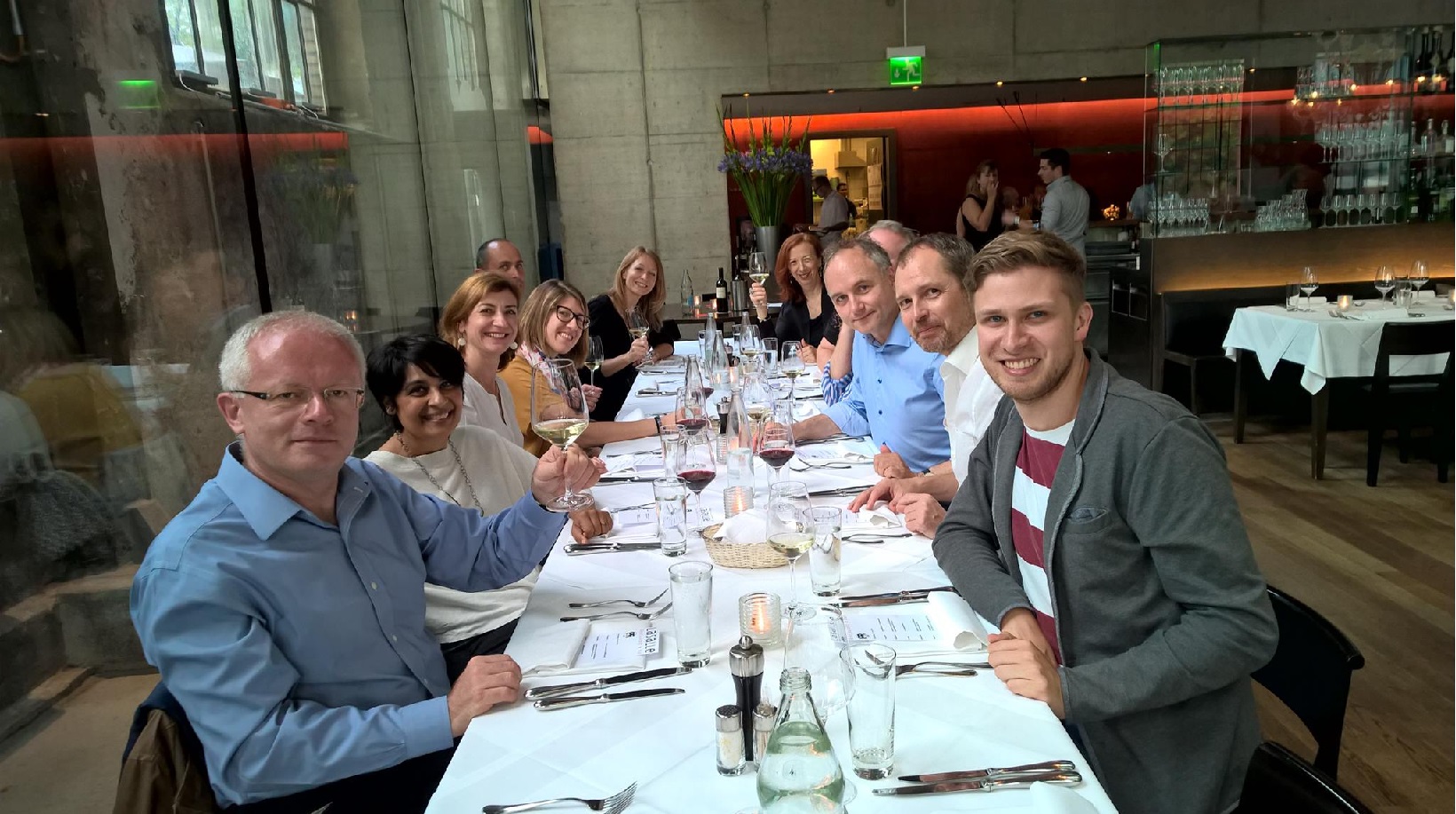
PRN had a lot to celebrate at the meeting in Zurich: In addition to turning 10, the organization announced a new member agency in Canada, Boulevard PR, and the appointment of regional chapter heads for the Americas and Africa to help intensify activities in the regions.
Jonathon Rees, director of Proof Communication (Africa), has been appointed head of the Africa region and I have been appointed head of the Americas region. As part of my role, I will be working to recruit partner agencies in Mexico, as well as other countries in Central and South America. Also I will be responsible for fostering relationships and sharing knowledge between partner agencies in the Americas region.
I am honored to be chosen for this position and am excited to help expand PRN’s presence in the Americas. In order to best serve clients with global needs, it’s important to have partners across the Americas who understand the unique media landscape of their region.
The addition of Toronto-based Boulevard PR to the Network will help strengthen our presence in the region as well. Boulevard PR is a full-service PR agency focused on tech and mobile across several industry verticals. The agency has worked with a variety of clients, from startups and emerging growth companies, to venture capital firms, to global enterprises. Its services include strategic planning, media relations, analyst relations, executive positioning and thought leadership, speaker’s bureau, product and corporate awards programs, content development, turnkey event management, digital marketing, and more. The team at Boulevard PR is positioned to support PR efforts in English and French in markets across Canada.
Communiqué PR was selected as the U.S. agency in late-2013 after working with several of the member agencies to secure results not only for our clients around the world but to help garner attention in the U.S. for PRN member clients. More recent projects included the support of a worldwide innovation competition held by the Siemens foundation in Germany, where the organization was on the lookout for low-tech products to help people in developing regions access basic services.
PRN is a global collective of like-minded public relations agencies providing consultancy and local support for worldwide PR campaigns. PRN has affiliate PR agencies in Australia, Austria, Brazil, Belgium, Canada, Chile, Columbia, China, Denmark, United Arab Emirates, Finland, France, Germany, India, Italy, Morocco, Peru, Poland, Romania, Russia, Sweden, Spain, South Africa, Switzerland, Ukraine, UK, USA and Venezuela. To learn more, click on www.pr-network.biz.
PRN will be launching a new website in the coming months and continuing its recruitment efforts in not only the Americas, but Africa and Asia as well. PRN’s next member meeting will take place January 2017 in Berlin.

LinkedIn, and now Facebook, remind us that ultimately we are all influenced by individuals. Both of these platforms prioritize personal content over that of content from publishers, brands and companies. First LinkedIn launched its Pulse publishing capabilities that are available to individuals only (thus far not available to companies), and now Facebook has announced that its algorithm will prioritize personal content from friends and family – demonstrating that personalized content from individuals is what counts!
True, those individuals may represent or speak for brands and possibly have a specific agenda; however, we increasingly look to the people we know to guide our decision-making. This is reinforced by data from Nielsen’s Trust in Advertising Report that revealed 84 percent of global respondents feel word-of-mouth recommendations from friends and family are still the most trustworthy. And 68 percent of survey respondents indicated that they “trust consumer opinions posted online.” (Nielsen: Under the Influence: Consumer Trust in Advertising)
Simply Measured cites additional data points illustrating the impact of these influencers in its post “Influencer Marketing: Stats and Quotes You Need to Know.” Stats worth noting include:
- 74 percent of consumers rely on social media to inform their purchasing decisions.
- 90 percent of marketers have said earned media will have a significant impact on their strategy by 2014.
We may know these individual influencers through direct personal connections or we may know them through their public image, persona or success. Social media and the internet have made it easier for us all to influence a wider circle of individuals and build our own personal thought leadership. But companies and brands don’t need to be left behind – they need to adapt and leverage their own networks.
Look no farther than John Legere, CEO of T-Mobile, and the personal connection he has developed with consumers by humanizing and living the Un-Carrier brand message on Twitter – a direct counter to the corporate brand execution of the past – “T-Mobile CEO sees doubling of U.S. business customers in 2016.” While Leger’s platform and persona may be edgy, he successfully embodies the brand’s personality and values.
The rules of thought leadership content creation are the same – how we execute has changed. Content still needs to be compelling and relevant to the intended audience; however, it no longer means relying solely on a publisher to tell that story. Platforms such as LinkedIn and Facebook enable organizations to build thought leadership through key individuals/executives that reach millions of targeted individuals, while controlling the timing and messaging and offering analytics to track impact and engagement.
LinkedIn publishing has helped our clients expand their reach and engagement, which has led to increases in followers and network connections, increased site traffic, editorial coverage citing them as expert sources, and anecdotally has linked to additional sales. Examples to further illustrate the impact are included in this following Forbes article, “3 Ways to Rock the Publishing World on LinkedIn.”
Building thought leadership for an executive used to rely heavily on speaking opportunities, awards, and bylines/contributed content. While these are still valuable elements for a thought-leadership initiative, it is important to consider some of the drawbacks, including the fact that participating as a speaker at an event is time-intensive for an executive, and the reach of a byline can be somewhat limited depending on the publication. In comparison, publishing a post via LinkedIn or Facebook enables the author to reach potentially millions of targeted readers and build awareness and influence.
Companies looking to build the profile of their executives via LinkedIn or Facebook should consider the following:
- Allocate resources to thought-leadership campaigns. This may mean redirecting resources from brand-centered campaigns or initiatives. Time needs to be allocated for not only writing the posts and publishing them, but engaging with readers through comments and participating in conversations on the platform through relevant groups and other influencers’ posts.
- Know where your target audience is most active and engaged. There are a number of platforms to consider. Keep your organizational objectives in mind and who you need to reach to achieve those objectives. For example, LinkedIn might be more appropriate for B2B audiences, while Facebook, Pinterest or Instagram might be more appropriate for consumers.
- Identify the individuals within your organization who can be the face of your business with a specific audience. Build out a thought-leadership platform for each individual that is authentic to the person, reinforces the organization’s message(s), and is relevant to the intended target audience.
- Measure the impact. Track which posts receive the most views, shares and comments. Monitor other analytics available to you – e.g., company website traffic referred by LinkedIn, Facebook, etc., proactive media inquiries soliciting input/comment, incoming speaking requests and customer/sales inquiries.
The role of PR is continually evolving based on the tools that are available (e.g., LinkedIn, Medium, Twitter, etc.) and the changing needs of the audiences we are looking to reach. Consider, for example, the millennial generation, which is the largest generation by population. This powerful group is more concerned with a brand’s persona, which needs to be articulated and “lived” through its executives, spokespersons and employees.
“Even B2B companies need to understand that the train stops at consumers, so they need to connect more directly,” states Luis Gallardo in the CMO magazine article “Is Your Brand Personal Enough For Millennials?” As target audiences’ needs evolve, so too should PR strategies and tactics.
Executives looking to build their brand need to look to new and innovative ways to build their own personal brands. As millennials come of age and become the biggest generation in U.S. history, thought leadership and personal brand management will only become more critical.
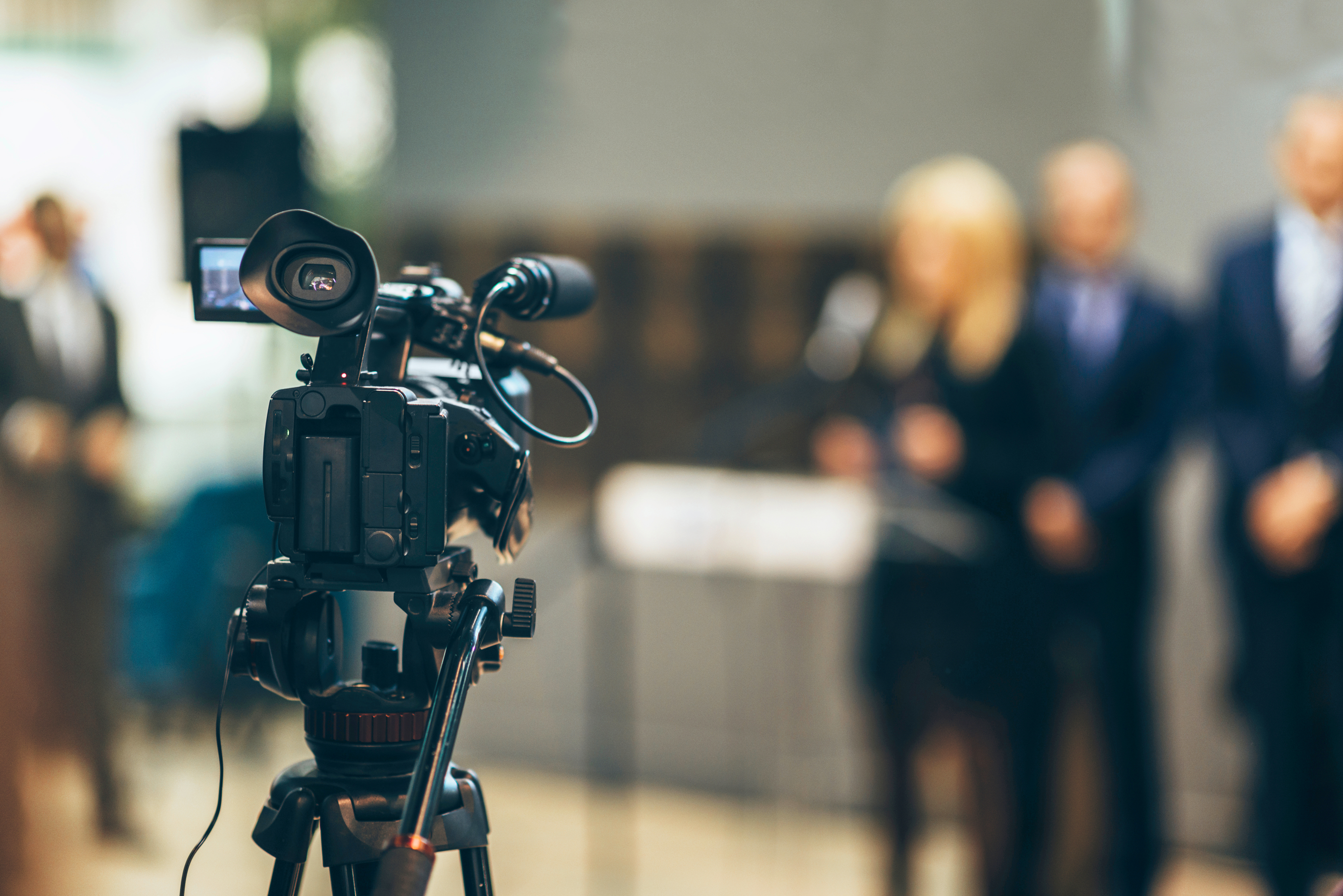
When done right, a press conference can be a very effective way to convey company news. Organizations can deliver more information than a press release allows for and spokespeople can explain the wider implications of the news in more detail.
In addition, a press conference is an efficient way to brief numerous journalists and news outlets at once. Briefing 10 journalists individually in 30-minute interviews would take five hours of a spokesperson’s time, whereas with a one-hour press conference, you can share information with 10 journalists simultaneously.
Recently Communiqué PR had the opportunity to support Bank of America’s press conference with the Seattle Police Department (SPD) in Seattle’s Capitol Hill neighborhood. The press conference, held on June 23, 2016, announced Bank of America’s participation in the SPD’s Safe Place initiative, an effort to make Seattle safer for its diverse communities by providing places of refuge for victims of LGBTQ-related crimes or harassment. Bank of America is the largest financial institution to join this initiative.
Bank of America’s team organized the event and relied on Communiqué PR to manage media outreach. It was a successful joint effort, so we thought it would be helpful to reflect on why it was a success and share best practices for organizing press conferences. To hold a successful press conference you need to:
1. Have relevant and newsworthy information to share – This is essential: If there isn’t a timely news hook, journalists will not attend. They are simply too busy to attend an event that they cannot produce a story from. Timing is crucial for reporters to map out their schedules and plan timely, relevant stories to air or publish. For example, Bank of America and the SPD’s press conference happened days before the Seattle Pride weekend celebration, so equality and support for the LGBTQ community were hot news topics. It was also the one-year anniversary of the launch of the SPD Safe Place program.
2. Leverage credible spokespeople – Your spokespeople are critical to the success of your press conference because they deliver the message. You should have two to four knowledgeable and credible individuals speak, and each spokesperson should be present for a short period – three to five minutes is usually long enough to deliver key messages. At the SPD Safe Place press conference, speakers included:
- Seattle Police Chief Kathleen O’Toole
- Seattle Police Officer Jim Ritter
- Louise Chernin, president of the Greater Seattle Business Association
- Hyeok Kim, deputy mayor for the City of Seattle
- Anthony DiBlasi, Seattle Market and Washington State president for Bank of America Seattle
- Michael Bailey, financial center manager at Bank of America
While this particular press conference had six speakers, which is higher than the norm, each person had specific expertise and information to share with regard to the relevance and importance of the program. Furthermore, Michael Bailey’s remarks were especially powerful as he shared details of his assault. He explained how a business aided him by reaching out to law enforcement and medical personnel.
3. Create photo opportunities – In order to get broadcast media to attend, you need to plan compelling photo and video opportunities. Consider these questions: Do you need a banner behind the podium? Is the signage easy to read? Will there be any activities that are visually compelling? At the SPD Safe Places press conference a poster of the initiative logo, which features the rainbow flag, was displayed prominently in front of the podium and SPD Officer Jim Ritter applied a SPD Safe Place decal to the Bank of America window during the event.
4. Hold it at a convenient place and time – Mid-morning is an ideal time for a press conference because it accommodates news cycles and usually aligns with reporters’ schedules. Remember, the media are on tight schedules, so you will want to hold the event at a place they can get to quickly and easily. The Capitol Hill neighborhood is a centrally located, diverse community with LGBTQ-friendly businesses and rainbow-painted crosswalks, so this made it a particularly conducive place for the SPD Safe Places press conference, both for location and visual impact.
5. Develop a compelling media advisory/invitation – If possible, you will want to send your media advisory out to print media about three days in advance of your press conference. For broadcast media, they should get the invite one day in advance. You will also want to make sure your event is on the daybooks of wire services. (A daybook is a localized news distribution service that delivers your news and event information to a specific city).
Following below are several other important things to keep in mind when organizing a press conference:
- Create an agenda and make sure all the spokespeople are clear on their roles and responsibilities during the press conference.
- Make sure spokespeople feel comfortable making their remarks and have anticipated the questions they might receive. It is also important to ensure there is no message overlap among the speakers. Each speaker should have a unique message to deliver or he might not belong at the podium.
- Designate someone to greet the TV reporters and make sure they know what access they have for filming.
- Provide journalists with any necessary background material or follow up via email after the press conference to provide any fact sheets or backgrounders they might need.
- Ask spokespeople to make themselves available after the press conference in case journalists need to capture additional sound bites or quotes.
- Share articles and other content from the event on social media. You also may want to share your photos of the event on Twitter, Facebook or Instagram. Finally, you should consider asking other community leaders and stakeholders to share the information along with any resulting press coverage.
Following below is a summary of the coverage that resulted from Bank of America and the SPD’s Safe Place press conference:
- KING—SEA NBC (TV), Bank of America Joins ‘Safe Place’ Program, 6/23/16; aired four times
- KOMO—SEA ABC (TV), 37 New ‘Safe Place’ Locations, 6/23/16; aired four times
- Northwest News Today (TV), Bank of America Joins ‘Safe Place’ Program, 6/23/16; aired twenty times
- KOMO—AM (radio), KOMO News, 6/23/16; aired seven times
- KOMO – SEA ABC (TV), Bank of America Joins ‘Safe Place’ Program, 6/24/16; aired four times
- KCPQ—Q13 Fox (online article), Bank of America joining Seattle’s ‘Safe Place’ program, 6/23/16
- KCPQ – Q13 Fox (TV), Bank of America joining Seattle’s ‘Safe Place’ program, 6/23/16; aired four times
- KIRO—AM (radio), KIRO Radio News, 6/23/16
- KREM 2 Morning News, Bank of America Joins ‘Safe Place’ Program, 6/24/16; aired twice
- WBBM – AM (radio), WBBM Radio News, 6/24/16
It is an exciting time for Bank of America as the company continues to deepen its long-standing commitment to valuing diversity and inclusion among employees and across the communities it serves. We were honored to help them deliver their message and hope these tips are helpful as you plan your next press conference.