
Insights for Leaders Navigating
Visibility, Credibility, and Growth.
From media strategy to reputation management, we explore the trends shaping public perception and share the approaches that drive measurable results for growing brands.
While many content marketers are rejoicing the news of Facebook’s updates to the platform’s branded content restrictions, the rest of us are busy scratching our heads and wondering what exactly this means? In recent years, brands have relied on Facebook, the largest social network, for means of expanding content marketing campaigns, which leads me to believe that these updates would be of high importance. Unfortunately, a statement released by Facebook left much to be desired – including questions surrounding the implications of the change and best practices moving forward. It is my hope to translate these murky terms into layman’s terms in order for brands to best utilize the changes and boost branded content on Facebook.
To understand branded-content policy updates, it is important to start with the foundation – what is branded content? According to the Branded Content Marketing Association, “Branded content is any content that can be associated with the brand in the eye of the beholder.” Branded content is one of the most effective ways for brands to stand out and make deeper, more entertaining, connections with consumers. By incorporating social media, including Facebook, into branded content campaigns, brands have been able to deliver multi-channel campaigns, providing a reminder of brand image no matter where you look. When branded content is successful, consumers are entertained and educated while brands remain top of mind, creating a symbiotic relationship for success.
Breaking Down the changes to Branded Content on Facebook
Facebook defines branded content as posts that specifically mention or feature a third party product, brand or sponsor. After recently purchasing a new, faulty garage door, my father decided it was most practical to take to every social media channel to express anger and frustration with said garage-door company. By Facebook standards, this is an example of branded content. However, while the average Joes of the world could post about both positive and negative interactions with brands, verified pages have not had such luxury – until now.
As of April 8, 2016, all of the pages with the little blue check mark next to the name can sell sponsored, branded content to partnering companies via their personal Facebook pages without having to first receive permission from Facebook. In other words, brands will have an easier time making money on branded content and branded content can now be seen as advertisements via publishers and marketers.
In the past, verified pages, or publishers, were denied the ability to run branded content because of Facebook’s desire to limit the amount of advertisement-based posts on newsfeeds. However, an undeniable shift away from traditional marketing toward content marketing, specifically focusing on social media platforms, has lead to “media companies, public figures, influencers, and marketers” asking for an update to Facebook’s ad policy[i].
Facebook points to the fact that they wanted to limit the overly promotional content on users’ newsfeeds because many see them as distracting and uninteresting and the reason why the change did not happen sooner. In order to limit the interference of promotional features, there are still limitations within the branded content policy that should be understood before implementing the branded content tag. Users should also be aware of any updates that Facebook roles out in order to tune out branded content.
So, what should we expect now?
Although Facebook’s foundation is in social networking – think stalking classmates and keeping in touch with distant relatives – it has transformed into today’s largest online advertising tool. With Facebook’s recent update to branded content, the path toward a platform run by advertising and sponsored posts is only becoming more prominent. As mentioned, rules have been enacted to accompany this update in order to ensure that users are not bombarded with advertisements, however, only time can tell how exactly the ratio of sponsored-to-organic content will be affected.
The strongest ties to the update lie in Facebook’s potential new revenue stream. Because publishers must tag their branded content with the product/company via Facebook’s Branded Content tool, Facebook can collect more comprehensive analytics regarding the post. Facebook can in turn charge fees for insights into how posts are performing, as well as to boost posts. This is an attractive deal for advertisers, seeing as they usually pay influencers and publishers depending on the user-interaction with branded content posts. It is beneficial for advertisers to know concrete metrics to ensure proper ROI. This also presents the opportunity for the publishers of verified pages to receive their own hefty chunk of change by posting branded content.
While there has been speculation around whether or not the update will hold up to Federal Trade Commission advertisement guidelines, we should expect to see a whole lot more celebrity endorsements and branded content popping up in newsfeeds as the floodgates have been opened.
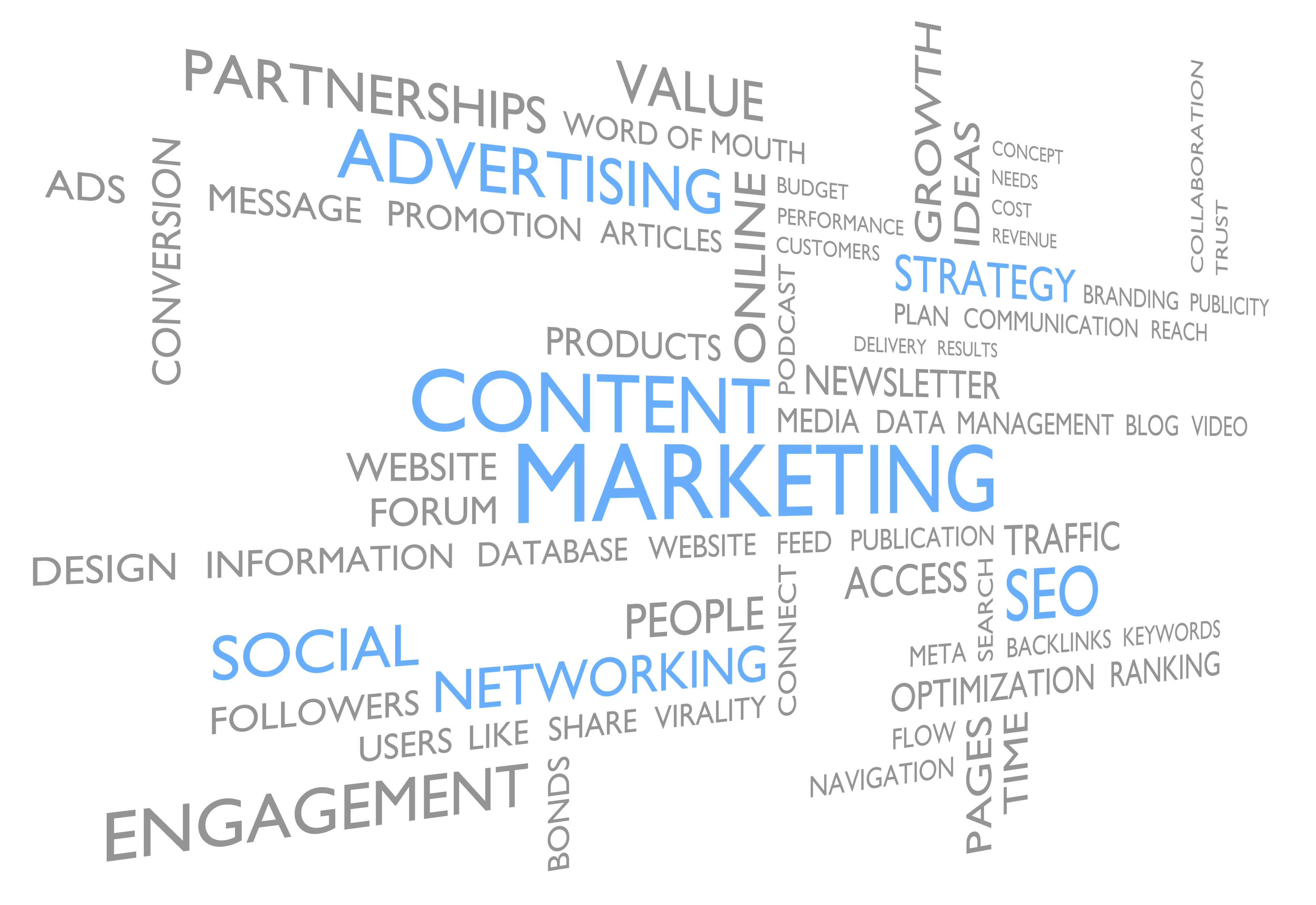
A recent Forbes column caught my interest about the “devolution” of public relations given the rise of content marketing and self-published content by companies and entrepreneurs looking to promote themselves.
Former journalist and PR agency owner Robert Wynne comments that the shift toward free content online – coupled with the decline of print publication subscriptions and falling ad rates – has changed media forever. Indeed, print publications have struggled for the better part of a decade; editorial teams are all-too often pared to a bare minimum, and companies can no longer take it for granted that a publication will cover their news.
As a result, this evolving media environment is driving many organizations to embrace content marketing to promote their products and services. This type of owned content can range from blog posts, newsletters, social media posts, videos, infographics and slideshows. Paid content is also on the rise, which includes “advertorial” sponsored articles, as well as traditional advertising. Many long-time reporters from outlets such as the New York Times and TechCrunch have left the journalism world behind to take communications or marketing positions in the corporate world, signaling a growing need within businesses for experienced writers and content producers.
“Whether this trend is good, bad or neutral doesn’t matter,” Wynne writes. “Self-produced content, paid or free, is here to stay.”
Explaining Content Marketing
The Content Marketing Institute explains content marketing as “the art of communicating with your customers and prospects without selling. … Instead of pitching your products or services, you are delivering information that makes your buyer more intelligent. The essence of this content strategy is the belief that if we, as businesses, deliver consistent, ongoing valuable information to buyers, they ultimately reward us with their business and loyalty.”
The key here is “instead of pitching your products and services.”
So does the rise of content marketing and owned content – as well as sponsored and paid content – signal the devolution, if not the outright demise – of public relations? After all, isn’t our business founded on the practice of pitching our client’s products and services to media?
PR’s value in today’s new media landscape
It’s true that we pitch our client’s products and services to journalists, but the important nuance here is that PR professionals shouldn’t be selling or marketing as part of our jobs. Even with the explosion of owned content being developed by many companies, the role of a PR contact is to be a resource for journalists, and ultimately to earn media placements.
After all, despite the changes in the media industry, reporters still cover news, write feature stories, conduct in-depth investigative pieces, and produce editorial journalism. While publications might be accepting more contributed content than in years past, there are still editorial guidelines to which those articles adhere.
If anything, the role of public relations is not deteriorating, but becoming more important than ever as part of a company’s communications strategy. Our role should be to connect journalists with sources and content that provide context and perspective on the news and issues their readers care about. Sure, telling your client’s story is paramount, but so too is positioning that story within a broader industry landscape and tying it to trends, breaking news, and competitive news.
Our audience in this instance should not be the buyer or end user of our client’s products, but the journalist. PR professionals can – and should – leverage owned content as part of their media outreach strategy, but our craft centers on being able to translate those materials for journalists, and ultimately earn a media placement.
Businesses must take a multi-pronged approach that encompasses owned, paid and earned media. These three strategies are not interchangeable. Knowing how to frame a story in a compelling, credible way for editorial audiences is a valuable and much-needed part of an organization’s communications strategy. As owned and paid content continues to play a larger part in the overall marketing mix via content marketing, let’s not be quick to dismiss the importance of PR in facilitating and securing earned content. There’s room for all three elements at the table.
In our constantly evolving world of technology, emerging platforms and, as a result, changes to how news and entertainment is consumed, have become the norm. Accordingly, PR and communications professionals are challenged with keeping pace and updating strategies to align with new media platforms.

Cision’s recent State of the Media 2016 Report takes a look at media trends, a crucial aspect of any communication strategy that PR pros must understand, and hone, in order to secure results on behalf of clients. The report, based on a survey of more than 300 print and digital journalists, highlights the four top media trends. Given the changing landscape, the following should be key considerations in PR and communications recommendations and strategies:
Mobile: 72 percent of Americans own a smartphone and media outlets are taking advantage. According to the survey findings, 92 percent of media outlets have or are currently adopting mobile-friendly Web design. As smartphone use continues to increase, pitching content that’s easily transferrable for this medium will increase PR professional’s pitch value. Visually appealing or easily digestible content are suggested.
Multimedia: The next most important trend is multimedia, according to 25.8 percent of the surveyed journalists. Multimedia content, such as infographics, helps with the above mentioned visual appeal, and helps differentiate content, as well as bring stories to life. Nearly half of the journalists indicated they include this type of content in their work, making it a key element to consider in any PR effort.
Native Advertising: Cision’s report also found native advertising’s importance among the surveyed journalist fell compared to last year, from 43 to 24.6 percent. There are conflicting opinions about native advertising within the industry, but regardless, it will be an important element for those in communications and media to monitor. Cision’s Media Research Team predicts that native advertising use and adoption will boom as traditional print publications continue to evolve.
Social Media: Finally, Cision found that 21 percent of the surveyed journalists use Twitter as a reporting tool and expect the platform to grow in value the most. Even though the report found social media to be a low-ranking trend—only 9 percent found social media to be the most important trend—this medium may be one of the most crucial elements to watch. New platforms and apps are constantly popping up, creating new opportunities for PR pros to communicate and reach target audiences.
Take for example, Periscope, Meerkat, and Snapchat, all of which have created new means to consume news and entertaining content in real-time. Nearly two-thirds of American adults use social media, making these mediums important ones to watch, particularly as they look to include publishers—in the way that Snapchat and Facebook have begun to share content in recent years.
As technology continues to change how we consume news—whether it’s via digital outlets, our mobile devices, or through social media platforms, PR pros will be challenged to adjust to the burgeoning influx of mediums and adjust strategies accordingly in order to be successful.
For more detailed findings, be sure to check out the full Cision report here.
In public relations, you’re constantly developing relationships with journalists and clients. Another relationship that is especially critical for PR practitioners to seek out is with a mentor.
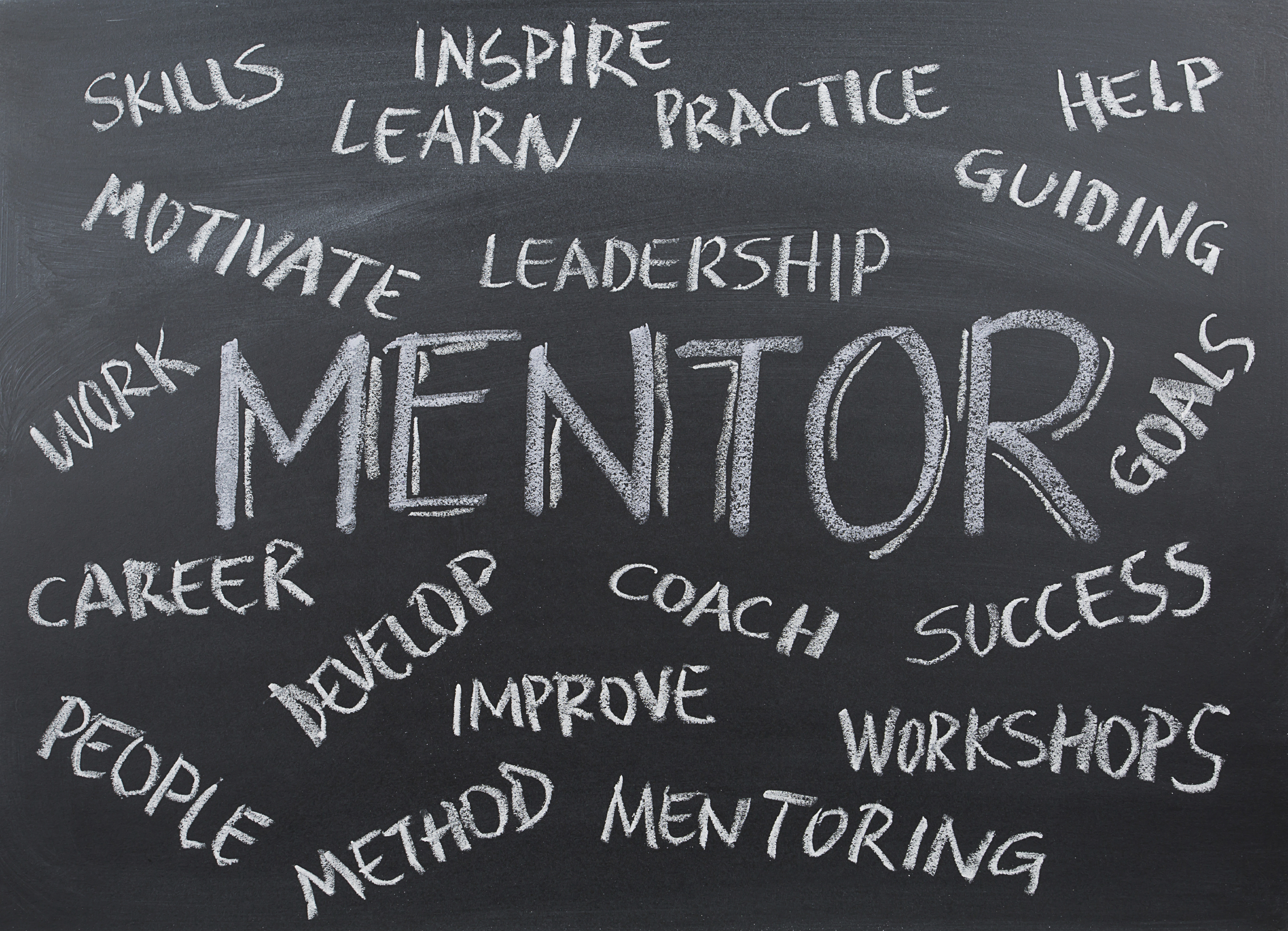
The best mentors are a valuable professional asset and can serve as a sounding board to help guide you in your career.
Here are five dos and don’ts to get the most out of a mentor.
Do – Know your objectives: First things first, before approaching someone to be your mentor, you need to have a clear understanding of your goals and objectives. Do you want to become a better leader? Figure out why you’re not getting promoted at work? Ask yourself what personal areas you want to improve so you can determine how a mentor can help you accomplish your goals.
Don’t – Waste your mentor’s time: Come prepared to your meetings and be respectful of your mentor’s other commitments. Be open to all advice and suggestions and resist the urge to get defensive when critical feedback is provided. Ideally, mentors are also benefitting from this relationship so don’t hold back from expressing your opinions even if that means disagreeing with them. By challenging their beliefs, you’re offering a fresh perspective and earning their respect.
Do – Steal their Wi-Fi: I recently read Mindy Kaling’s book “Why Not Me?,” which included the essay “On Being a Mentor” from Kaling’s former boss Greg Daniels. Daniels is a writer, producer and director who has worked on such television series as “The Office” and “Saturday Night Live.” In his essay, one particular piece of advice comparing finding a mentor to borrowing someone’s Wi-Fi resonated with me:
“You take your mentoring where you can find it, even if it is not being offered to you. Have you ever used your neighbor’s Wi-Fi when it wasn’t on a password? If you have the opportunity to observe someone at work, you are getting mentoring out of them even if they are unaware or resistant. Make a list of people you think would make the greatest mentors and try to get close enough to steal their Wi-Fi.”
Even if you don’t formally ask someone to be your mentor, you can still learn a tremendous amount by simply surrounding yourself with people you admire and incorporating their work habits.
Don’t – Be afraid to move on: Like any relationship, sometimes you outgrow your mentor and that’s normal. While you may move from a weekly coffee date to the occasional “like” on a LinkedIn update, it’s important to thank mentors for their guidance and acknowledge the time they invested in your professional growth. Besides, this is PR and you never know if those relationships may prove useful in the future.
Do – Pay it forward: Look for ways you can share your newfound knowledge with rising PR professionals. By volunteering for a mentors program through your local PRSA chapter or other PR organizations, you’ll reinforce the lessons you’ve learned and have the opportunity to shape someone else’s career path.
Developing worthwhile mentor relationships take time, trust, and follow-through from both parties. Although it’s not an easy pursuit, the connection and experience gained by the mentor and mentee makes it more than worth the effort.
Just over a year ago, I walked into Communiqué PR to begin my journey as an intern. Despite having had previous public-relations internship experiences, I was anxious, as being the newbie is always unnerving. At the time, I was ready to work hard and learn lots but had no idea the abundance of information and opportunities that I would be privy to that have allowed me to grow to lengths beyond those I had imagined. As I soon find myself bidding adieu to Communiqué, I reflect back on a handful of the many insights and lessons that I have learned from my internship and will take me on my career journey – including the fact that time really does fly by.
Be vocal – As a new intern who wants to prove their capabilities, intelligence, and not seem like a bother, it is easy to want to try and figure everything out on your own. However, one of the easiest ways to fully maximize your internship experience is to tap into the brilliant brains of your superiors, many of whom have had years of experience in the industry dealing with tough situations. Using my past experiences as a benchmark, I found that public-relations agencies have many similarities but also many quirks and differences that make them what they are. Asking questions is extremely important, especially when you are just starting out, to ensure that you fully understand what is expected of you and just how the company operates as a whole. That being said, it is also important to utilize outside resources and conduct research when appropriate in order to answer more general questions. Being vocal also means knowing when to speak up and bring your own ideas to the table. Although intimidating to have a senior-level coworker asking you for your opinion or edits on their blog post, it is important to remember that two sets of eyes are almost always better than one and your opinion is going to be valued.
There is no “I” in team – The level of camaraderie and collaboration between one another at Communiqué was apparent to me from day one. Communiqué prides itself on strategic thinking in order to deliver results and exceed client expectations. You will find that everyone has checked their ego at the door in order to focus on benefitting the company as a whole. Being a smaller firm, the importance of supporting one another in every aspect is crucial to success. On a daily basis I observed colleagues working together, regardless of seniority, in order to ensure that only the best work was being produced. This collaborative work style also creates a workplace that is very transparent and that much more comfortable to be a part of. Actively listening, offering a hand whenever need be, and communicating clearly are important aspects of a great team member and skills that I will always keep top of mind in my work and personal life, as I have seen the exponentially positive impact that a well-oiled team can have on success at Communiqué.
Take risks – The purpose of an internship is to learn new things about an industry, as well as to learn new skills that will make you a highly sought after commodity when it comes to job recruiting. As humans, we all make mistakes and I have found that taking risks and often learning from your mistakes, or accomplishments, is the best way to expand your knowledge and allow yourself to grow. It is important to remember that an internship should be mutually beneficial for you and the company. While it is undoubtedly the main focus of a firm to focus on client needs and financial stability, there should also be a clause that allows the company to turn its attention to you, as the intern, in order to allow you to learn and take full advantage of your internship opportunity. I can honestly say that at Communiqué, I always felt as though the management team had my best interest at heart, and in turn I had the company’s best interest.
I feel extremely fortunate to have been a part of such a hardworking and supportive team at Communiqué. Each and every day at the office, I was presented with a new opportunity that allowed me to acquire insight into various aspects of the public relations industry and business as a whole. With my internship experience at Communiqué under my belt, I feel well equipped to move onto my next adventure.
When developing a PR strategy for our clients, one of the first questions we ask is, “Does the company and the CEO have a social media presence?” If the answer is yes, then we determine how we can amplify our results through those channels and assist in growing followers for the company and executive. If the answer is no, then we determine what type of voice and personality the company or spokesperson should have, what kind of material should be posted, and how frequently the content should be shared. Our goal often is to provide followers with meaningful and valuable content.

But in November 2015, I began wondering if there was value in being less active on social media. The reason being, Jeff Bezos has just posted his first tweet. Of course, Bezos is a household name and runs a major global corporation, so it would be expected that he would have an active presence on social media. Oddly enough, he didn’t. Since joining Twitter as a user in July of 2008, Bezos hadn’t tweeted until November of 2015, when his aerospace company Blue Origin had a successful launch and landing of a reusable rocket.
This got me thinking and I began comparing him to another prominent CEO and figure in the space and auto industry, Elon Musk. Unlike Bezos, Musk is very active on Twitter with over 1,700 tweets and 3.7 million followers. So the question was: Which approach is better? To better understand this let’s consider both CEOs.
Musk actively shares his vision for alternate forms of energy and getting to Mars. He heads two of the world’s most innovative and interesting brands—Tesla Motors and SpaceX—that consistently share their progress and developments. It makes sense that he would tweet frequently. Because he freely shares his opinions and has access to content people are intrigued by, this is the perfect combination for a successful Twitter handle.
Bezos, on the other, hand reflects Amazon’s approach to publicity. The company is notorious for being more secretive, so it makes sense that Bezos would do the same on his personal handle. Also, while Amazon is innovative and largely used, the company doesn’t have the same appeal as rockets and sports cars—maybe when they introduce the use of drones for delivery there will be more public interest. Regardless, it makes sense that Bezos saved his first tweet for an event that wasn’t just newsworthy, it was part of history.
So, the answer to which approach is better? Neither. While Twitter is an effective medium to share information and freely promote your business, opinions and interests, it still needs to remain authentic to the user. In this case, both CEOs have done this. While we wouldn’t recommend staying dormant for seven years on Twitter, take a page out of either Musk’s or (now active tweeter) Bezos’ playbooks: Approach social media in a way that feels natural and matches your personality.