
Insights for Leaders Navigating
Visibility, Credibility, and Growth.
From media strategy to reputation management, we explore the trends shaping public perception and share the approaches that drive measurable results for growing brands.
April Fools’ Day is tomorrow and along with it will come a flood of pranks and hoaxes from many well-known brands and companies. You can always count on some brilliant spoofs from Google and one of my favorites from last year was Scope’s bacon mouthwash. When executed well, April Fools’ Day pranks are a great way to build buzz and to get people talking about your company or brand.
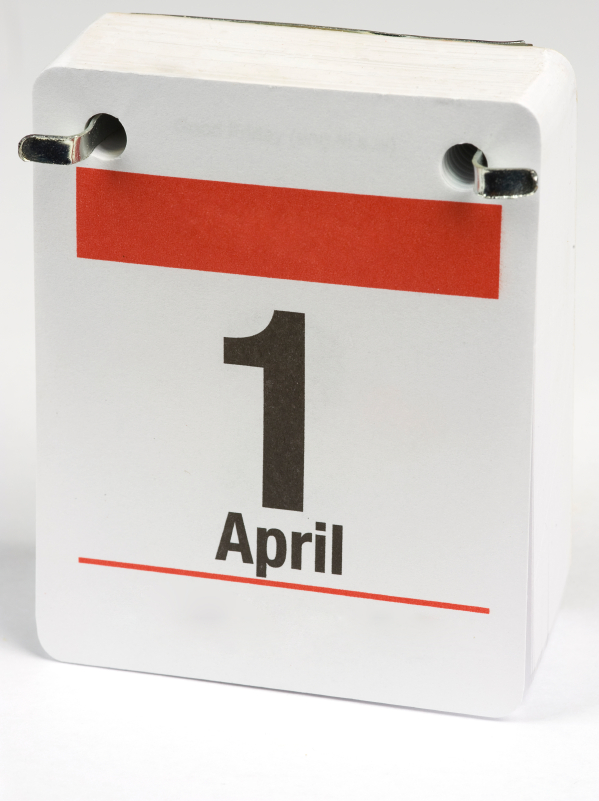
We love a good joke at Communiqué PR, but when it comes to corporate pranks, we advise our clients to proceed with caution. A lot of caution. We’ve blogged about PR and April Fools’ Day pranks in the past (check out the links below to those posts) and thought it would be worth revisiting the topic. Here are some additional tips to consider if you’re planning your own April 1 hijinks:
Make it unbelievable. The point of the prank is to make people laugh, but there’s a thin line between fiction and reality. To ensure that people will eventually realize that you’re pulling their leg, you almost want to make your prank so unbelievable it can’t be true, such as this April Fools’ 2013 post from Southwest Airlines. But beware: Promoting untruths about your company’s financials and other key metrics could land you in hot water. Also consider adding a disclaimer to your blog post, graphic or whatever medium you use to deliver your prank, just in case people miss the punch line.
Skip the press release. Wire services will be on extra high alert so don’t expect your fake press release to make it past their editors. Plus, the last thing you want to do is dupe a reporter. Instead, use your blog or social media as your platform, which also makes it easier for others to share the fun.
Be prepared for the backlash. Even the best laid plans can go awry and not everyone has your sense of humor. Monitor social media and be prepared to quickly address any negative reaction.
Looking for inspiration for April 1? Take a look at AdWeek’s list of the top April Fools’ Day pranks from 2013.
Related Posts:
For many PR practitioners, describing our profession often includes some sort of caveat that PR is more of an art than a science. According to a recent article in Ragan’s PR Daily, this accepted understanding of the industry may be changing.
In “Words that makes (sic) your headline more shareable,” writer Adrienne Erin shares a list of words and phrases that have been proven by scientific methods to be most effective at capturing attention and encouraging engagement. In many cases, the success of specific words in encouraging the desired response (e.g., reading an article, sharing with others, clicking through on links) may not be especially surprising, but as a practitioner, I appreciate being armed with the knowledge that these words actually do have an impact.
Here are a few words that will make your headline more shareable, per post type:
Blog Posts
100 popular blogs were analyzed by Startup Moon to quantify which words and phrases make a headline more successful. Key takeaway: Many of the words suggest that the information will make a reader smarter. Here are the results:
- Surprising
- Science
- Critical
- Huge
- Hacks
- Smart
Facebook and Twitter
More than 10,000 of the most retweeted tweets were analyzed by “social media scientist” Dan Zarrella* to determine a list of the 20 most retweetable words and phrases on Twitter. According to the article, successful or highly shareable content on Twitter would seem to offer valuable knowledge in a short amount of time as readers are on the go and scanning for words that imply the content won’t take much time to review. A few to ponder include:
- How to
- Free
- Top
- 10
- Great
- Facts
According to a study conducted by Marketo and based on more than 31,000 data points, the following types of content are most likely to be shared via Facebook:
- Inspirational content such as quotes and advice
- Uniting content that makes readers feel part of the story and encourages sharing
- Funny content that is acceptable to most groups
- Giveaways, contests, discounts and special offers
- Amazing content with a wow factor such as unbelievable photos or facts
- How-to style content such as quick tips and engaging advice
Other trends to watch:
- Facebook and Twitter have seen an exceptional increase in the popularity of infographics.
- Action words, especially verbs, are more widely clicked and shared than are nouns or adjectives.
- Numbers are popular and the number of shares for a piece of content has a direct correlation with the size of the number in the title, so go big!
- Controversy causes clicks. Readers often click on a headline that they believe will challenge them or their beliefs.
After reading the article, I was eager to put this new research to a test. I pulled the top five “most read” blog headlines from the Communiqué PR blog and found that none of them included any of the key words highlighted by the research. I did, however, find that the headlines included words such as “studies,” “tips,” and “lessons” which imply that the content would make the readers smarter.
I will further test this new research by incorporating the key words and trends (as appropriate) in everything from email subject lines when pitching, to headlines on news announcements – starting with the headline of this blog post! Feel free to leave a comment about my creative use of the top words for blogs. If you don’t have time, don’t sweat it – I can always pull the number of visits and analyze the results like a scientist.
*Readers who scan may think this article is a shameless self-promotion written by Dan Zarrella. We are not the same person, we just have the same amazing name.

The modern public relations practitioner has thousands of ways to reach his or her audience. There are mommy blogs, industry blogs, analyst reports, social media, national dailies, niche market outlets and glossy magazines—not to mention your company’s or client’s own online newsroom.
With so many options available, it’s critical to start with one simple question: Who is your audience? We have been taught to ask this since grade school-level writing courses, and it’s still important.
Our team begins all projects by identifying the audience segments that are most critical to a project or a campaign. We ask: Who do we need to reach to move the needle for our client? The answers can vary widely—a testament to our varied client base and multitude of projects.
Sometimes, the goal is to put a story in front of as many eyes as possible, and an above-the-fold story in the Wall Street Journal or USA Today is the best possible outcome. But there is, understandably, incredible competition to feature your story in these outlets and in many cases, there are a number of smaller, more targeted publications or blogs that would make a great home for your story. And this is where identifying the right audience becomes so important.
Take, for example, the marketing efforts to sign more young people up for the Affordable Care Act (aka, Obamacare). For the system to work, it needed more and more young, healthy people to sign up. To that end, marketing efforts focused intensely on this group. The result? President Obama’s now famous sit-down with Zach Galifianakis on the comedic interview show, “Between Two Ferns,” and a slew of targeted YouTube videos aimed at reaching young viewers. One, for example, featured a number of YouTube celebrities encouraging young adults (their primary audience) to sign up for health insurance coverage through the Affordable Care Act. Another featured celebrity moms in an ad chastising young people for not signing up. AdWeek aptly quipped that its tone was, “We’re-making-you-feel-guilty-haha-no-but-seriously.” It was an effective message targeted toward a very specific audience.
Of course, these ads led to a cavalcade of pundits analyzing their impact (“Did they work?” “Was it presidential?”). Nonetheless, they are a great example of content designed to reach a specific audience—a concept that public relations practitioners exercise each day.
In our work for our client Twisted Pair Solutions, for instance, we targeted our outreach to media based on key sales markets for the client. By starting with the most basic question—who do we need to reach?—we were able to develop content and pitches that we knew would resonate with a specific and impactful audience.
Editors and journalists have to ask the same question. Reporters receive a tremendous number of pitches each day. To evaluate which pitches are a good match, they’re going to ask a number of questions including: Will my readers be interested in this story? By defining your audience up front and tailoring your message and content to meet their needs—before you even click “send” on a pitch—you can make sure that you’re sharing content with reporters who want it, and whose readership will be interested.
If you’ve done your homework, it also means that you’re reaching the audience who can have the biggest, most positive impact for your company or client, and that’s a critical piece of any public relations campaign.
You can read more about our work for Twisted Pair Solutions in a previous blog post, here.
I recently wrote about “non-sexy” brands gaining popularity on social media. One of the ways they were doing this was by focusing on having conversations and interacting with their followers rather than simply fixing their
Image courtesy of @Wendy’s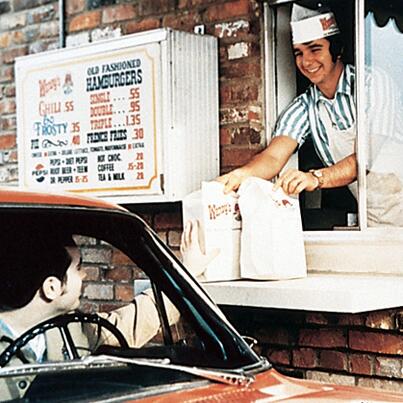
followers’ attention on product promotion. Ragan’s PR Daily has highlighted yet another secret to gain momentum on social media: Use popular hashtags—specifically, Throwback Thursday, better known as #TBT.#TBT has become one of the most consistent and popular hashtags on social media and brands are taking advantage of it. People magazine posted my favorite example of a brand’s #TBT on Twitter. The post was a picture of the
dashing Justin Timberlake during his ‘N Sync days, highlighting a young face with bleached hair and a stylish ‘90s sweat suit. This post generated almost 600 retweets as well as 461 favorites.
Another interesting example was a picture tweeted by Wendy’s from 42 years ago, displaying the chain’s first drive-thru window. It was nostalgic, like other #TBTs, and imparted a sense of history of the company, giving viewers the chance to feel a more intimate connection with the brand. Younger fans got to glimpse “the old days,” and an older generation could relive them.
These types of posts mimic advertising, but with some significant advantages. Like advertising, these posts appeal to customers’ emotions and help build brand reputation. Unlike advertising, social media is inexpensive and time efficient. Posts such as these also do not have the same tone as an advertisement, giving the brand and company a more peer-like feel rather than coming across as strictly out to make a profit.
#TBT is proving to be a valuable tool on which brands should capitalize. Not only is #TBT one of the most popular and regularly used hashtags—effective for helping promote your brand—but also it shows that providing an interesting conversation topic on social media can be more effective than merely placing an advertisement in front of consumers.
According to a recent, particularly fascinating Pew Research Center report, the path that readers take to arrive at a news site reveals a lot about their level of engagement with the outlet and its content. In other words, the amount of time someone spends reading an article or browsing an online site depends largely on how they got there—whether they typed in the site’s URL directly, searched on Google or clicked through from social media.

For the report, titled “Social, Search and Direct: Pathways to Digital News,” the Pew Research Center’s Journalism Project team looked at U.S. Internet traffic to 26 of the most popular news sites. The findings show that direct visitors—those who have the site bookmarked or type the URL into the search bar—are much more dedicated to a website, spending more time on it and engaging with the content more than other types of viewers.
Specifically, among other findings, the report showed that direct visitors to a news site:
- Spend about 4 minutes and 36 seconds per visit—about three times as long as those who wind up on the site via a search engine (1 minute 42 seconds) or click through from Facebook (1 minute 41 seconds).
- View roughly five times as many pages per month on the site (24.8, on average) as do viewers coming through searches (4.9) or from Facebook (4.2).
- Visit the site three times as often as do search and social-media readers.
Interestingly, the findings hold true across all types of sites—from national news outlets to sites like BuzzFeed with mostly search- and social-media driven traffic. What’s more is that viewers tend to be one type of reader or the other—they’re either a dedicated reader of news sites or they’re not—and it’s difficult to get them to change their habits.
So, what exactly does this all mean for PR pros?
The findings suggest that, when you place a contributed article in a target outlet, the individuals you’ll impact the most are the devoted readers who fit that site’s demographic. And that’s good news—you’re reaching the audience you hoped for when you pitched the story. These loyal site visitors will absorb and digest the content more than the guy who just clicks on the link from his Facebook wall.
As a post on Media Bistro’s PRNewser pointed out, this also means that traditional earned media placements are still your best bet for reaching clients’ target audiences. Despite all the hype around alternative forms of content and SEO and social-media strategies, nothing beats old-school editorial coverage when it comes to influencing readers. This relieves some of the pressure of trying to create viral content that generates clicks and search visits—those viewers won’t take as much away from the story anyway as do the site’s everyday readers.
So, it seems that the “quality over quantity” argument holds true when it comes to placing content for clients. Spreading the news via social and SEO tactics certainly doesn’t hurt but, in the end, it’s still more important to build solid relationships with journalists and earn media placements than worry about social-media numbers or search-engine rankings.
For more detailed findings, be sure to check out the full Pew Research Center report here.

Up until last week, one of our clients had four Twitter handles. At first, it made sense—a handle for each unique product and its unique audience. But we soon realized we could build a bigger, stronger social media presence with one handle to encompass it all. We were then faced with a dilemma: How could we make a smooth transition to one handle without losing any followers?
We came up with the following strategy:
1) Update your bios. As an initial announcement, change each account’s bio to let its audience know that the account is moving and to direct them to its new home.
2) Notify your followers. Remind each handle’s followers every day for ten business days that the account is moving by tweeting something along these lines: “We’re moving on March 4! Follow @[name] to continue getting our updates.”
3) Stop regularly scheduled tweets. During the transition period, only tweet reminders about the move from the handles that are being discontinued. All other updates should be tweeted from the new handle.
4) Direct Message followers you might lose. To ensure each account brings all its followers when it moves, reach out to each person who isn’t already following the new account to notify them about the move. An easy way to do this is to export each account’s followers and compare them. SocialBro and Simply Measured both offer this feature, along with other helpful analytics tools.
5) Lock down your accounts. After ten business days, lock down the handles that are being discontinued and update the account bios to let current and potential followers know that the account has moved.
We found this to be an effective way to merge our clients’ Twitter accounts and we’re now well on our way to building a bigger following. Do you have any other tips for easing the transition to a new Twitter handle?