
Insights for Leaders Navigating
Visibility, Credibility, and Growth.
From media strategy to reputation management, we explore the trends shaping public perception and share the approaches that drive measurable results for growing brands.
The “Purpose Motive” is a novel concept that purports that people are not motivated to perform at a higher level by money, but rather that performance is only driven by having a sense of purpose. Dan Pink, the author of four bestseller books on the changing world of business, claims the Profit Motive doesn’t work and that more stock should be placed in the Purpose Motive.
Why is any of this important? With rising costs due to longer learning curves, and larger investment in employees, it becomes critical that those costs can be recovered by the individual’s ability to create value for the company. Without motivation to go beyond the status quo, companies will sit idle. The companies that are thriving are the ones that are building environments that feed off of a common purpose, beyond profit margins. It is vital that managers have the ability to inspire their employees to do challenging and significant work with the potential and goal of mastery.
Dan Pink points out that there is overwhelming evidence that “more and more organizations want a transcendent purpose. It makes coming to work better, and that’s the way to get better talent.” He goes on to say that observed through the research of MIT, several other universities, psychologists and economists, there are three factors that lead to better performance and personal satisfaction:
- Autonomy
- Mastery
- Purpose
The Royal Society for the encouragement of Arts, Manufacturers and Commerce (RSA) published an animated video (above) from Dan Pink’s speech, “Drive: The Surprising Truth About What Motivates Us.” I originally saw the video in Professor Ruth Huwe’s Management class at the University of Washington. I have now watched it dozens of times and showed it to many people who all have similar reactions, such as, “Wow that is so true” and “That’s exactly right.”
The concise 10-minute video accurately outlines what motivates us as human beings to perform at higher levels. In his talk, Pink debunks the idea of bonuses and raises to encourage or even affect performance levels. He goes against the basics of economics, but it is backed by study after study showing that performance is only driven by money for tasks involving mechanical skill. Once a task involves any level at or above rudimentary, cognitive skill, money no longer can drive performance. If you don’t pay people enough, motivation is decreased, but pay people enough to take the issue of money away, and now the fundamental motivators will determine performance levels.
I was most intrigued by the example given of an Australian software company called Atlassian that gives employees 24 hours of “undiluted autonomy.” Once a quarter this company throws an office party and tells the employees to work on whatever they want for the next 24 hours as long as they show what they have done. The Results: That one day of autonomy produced answers to software dilemmas and innovations that would have never came to be otherwise. Pink explains it this way, “You probably want to do something interesting… let me just get out of your way.”
One of our current technology clients, Tecplot, is preparing for a new product launch later this year, and we’ve been very busy developing and executing our plan. One of our first strategies was to educate the analysts in the new product’s industry, and give them a sneak preview of the new product and gather their feedback.

As we’ve discussed before in this blog, analyst relations can be a huge part of any new product launch, especially in the technology field. Analysts serve as a credible third-party influencer who can attest to the quality and innovation of a company’s product. They are often called upon by the media during a product launch to comment or provide perspective. They also work behind the scenes with potential customers and partners, recommending new software and services.
On behalf of Tecplot, we scheduled five analyst briefings with IDC, Cyon Research, TechNavio, Schnitger Corp. and CIMdata. In preparation, we developed a PowerPoint presentation with background on Tecplot and its new product. We also coordinated GoToMeeting sessions for each analyst and ensured that a working demo of the new software product was available to provide analysts during the call. Services like GoToMeeting are a great way to provide a working demo of a new product without the need to travel across the country to be in the analysts’ offices.
Each of the calls went extremely well. The analysts were all willing to provide feedback on the messages we presented, which served as a good “trial-run” for our spokesperson. After the call, we discussed the messages which were well-received and which should be adjusted.
Since Tecplot’s product isn’t going to be announced publicly until later this spring, we asked each of the analysts to honor an embargo. If you are going to enlist a similar analyst strategy for your new product or service, we recommend knowing the difference between an “embargo” and a “non-disclosure agreement (NDA)” for your discussion with the analysts. NDAs are a legal contract between yourself and the analyst/reporter. News under embargo, on the other hand, are often a time-limited disclosure of information, normally based on the honor system.
While there have been instances of people breaking embargoes in the past, and several prominent media sites refuse to honor them, the team at Communiqué PR has never had an analyst break our trust in this manner.
Have you had any great experiences with analysts? Do you have any other tips to share with regards to working with analysts? Join the discussion by commenting below.
Last week, I had the opportunity to attend Macworld 2011 in San Francisco with one of our newest clients, the Omni Group. Given this was only the second year the conference was held without Apple, there was much speculation and discussion on whether the show would be as exciting and well attended as in years past with Apple’s presence. Well the verdict is in and I can safely say the show was a hit. Not only was the expo floor packed, but I heard from many exhibitors that they were running low on products they were selling, as well as marketing information, half way through the show.
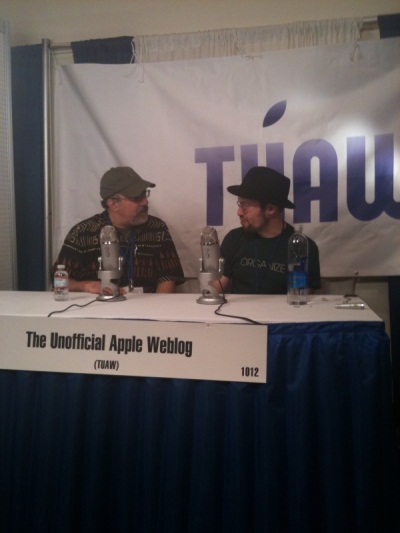
The Omni Group, a leading developer of productivity apps built exclusively for the Mac OSX and iOS platforms, leverages Macworld each year to reconnect with their customers, foster relationships with industry influentials and showcase upcoming apps. We were tasked with securing briefings with media and analysts to showcase the 2011 product roadmap and discuss the impact of the new Mac App Store.
As a result of our outreach, we secured more than 18 briefings with influential technology reporters and Apple-focused media and analysts including ZDNet, PC World, Macworld, Ars Technica, Technologizer, InformationWeek, Mac User, Seattle Times, Gartner, Forrester and more. These meetings have already resulted in 23 pieces of coverage to date from outlets such as Mac Observer, AOL/TUAW and Macworld. In addition, the Omni Group’s booth was consistently packed with visitors anxious to learn more about the company’s apps and meet the creators behind the popular productivity apps.
Macworld 2011 reminded me how vibrant the Mac community is. In every corner of Moscone West there were conversations and buzz on everything from apps to new programs to iPad cases. Clearly Macworld has evolved but it hasn’t deterred a passionate community from coming together to celebrate innovation around Apple’s platforms.
Recently I had the opportunity to do some in-depth research on how to launch a promotion on Facebook to help one of our clients meet its business and communications objectives. As I was discovering the various intricacies, guidelines and best practices, I thought it would be useful to develop and share a check list that can be used by any organization who is considering launching a promotion on Facebook. At a minimum, here is what you should know:
- Know the Rules. Facebook has strict guidelines about implementing contests on its platform. For more details, visit http://www.facebook.com/promotions_guidelines.php.
- Determine your Goals and the Definition of Success. Are you looking to drive more engagement with your brand? Do you want to stimulate sales? Or do you want to gather information about your customers? Once you know what you’re trying to achieve and how you’ll measure ROI, you’ll be able to develop the right type of promotion.
- Consider Wildfire Interactive. You can only administer a promotion on Facebook through an application. Wildfire Interactive has an online software application that enables businesses and organizations of all sizes to easily create their own attractive, branded interactive campaigns (e.g. sweepstakes, contests, give-aways, incentive-based surveys, etc.) and to simultaneously publish them in multiple social networks and their websites. You can learn more about these applications by visiting the Wildfire website or call them directly to chat with a customer service representative.
- Find a Developer Versed in Facebook Markup Language (FBML). If you are using Wildfire Interactive’s lower-end service, you may want to make modifications to your landing page or maybe link a couple of promotions together to create a single promotional campaign. If this is the case, you’re likely to need a developer familiar with FBML and Cascading Style Sheets. Alternatively if you have the budget of $15,000 to $25,000, Wildfire Interactive’s team will happily create a white label promotion taking care of all the custom application development for you.
- Keep it Simple. To drive participation, we recommend making the promotional campaign easy for people to enter. Those that are complicated simply don’t attract as many participants. For instance, asking people to submit a photo is much easier than asking them to create a five minute, original video.
- Determine Criteria for Judging. Think about how you’re going to evaluate and determine winners. With Facebook promotions, you can convene a panel of prominent or celebrity judges to determine winners, have the public vote to determine winners or take a combination approach with judges selecting finalists and the public selecting the winner. You will want to think about what will work best for you.
- Come up with Compelling Prizes. You need to make it worthwhile for people to participate in your contest. The right prizes are essential; however, you must make sure they are relevant to your audience and your brand.
- Publicize Your Promotion. Develop a publicity plan to drive awareness of your contest, sweepstakes or special offer. Make sure to include information on your website, and consider the development and distribution of a press release to generate interest. Here is a release distributed by Cathay Pacific Airways announcing a “unique competition through its official Facebook page.”
- Build in Time for Winner Notification. When your promotion ends, you are likely to need a few days to get in touch with the winners, since according to Facebook’s policy you cannot notify winners through Facebook, such as through Facebook messages, chat or posts on profiles or pages.
- Seek Legal Counsel. Get an attorney to review your official rules, entry form and terms and conditions for participation to ensure you are in compliance with state and federal laws. You should also understand the taxes required when prizes are awarded.
For more information about social media promotions, please check out our previous blog posts on the topic:
- Wildfire Interactive Provides Easy, Customizable Facebook Campaigns (Jun. 23, 2010)
- Social Media Contests Have the Power to Drive Massive Awareness and Engagement (Apr. 30, 2010)
- Twitter Contest Helps Drive Awareness and Sales (Feb. 19, 2010)
You can also check out current promotions on Facebook here.
The media landscape is continuing to evolve and change, along with the tools available to communicators to disseminate information and engage with key audiences. It is important for us as communicators to stay up on the latest changes and ensure we are leveraging emerging tools to make certain our strategies are executed in an efficient and effective manner.
While staying current in this rapidly changing world is a challenge for those immersed in the field, it is even more challenging for in-house professionals whose industries may be slower to integrate and adapt to these changes. We frequently speak with marketing executives looking for guidance or education for themselves or their team members.
For those of you looking to gain insight into the changing communication landscape, I recommend considering the New Media in Communication Series through the University of Washington’s Department of Communication
The series includes an upcoming Social Media Saturday for Communicators on February 12, 2011, where I will be moderating a panel of representatives from for-profit and not-for-profit organizations to discuss how they integrate social media into their communication strategies. There are two additional sessions scheduled in the series – Photography in the Digital Age and a Video Bootcamp: How to Shoot, Edit and Upload Video to the Web.
For more in-depth study, the University of Washington has a unique and compelling graduate program – the Master of Communication in Digital Media (MCDM) program.
This past fall Hanson Hosein, director of the MCDM program, invited me to be a guest speaker in his Strategic Research and Business Practices class. The class is a required core course of the MCDM program taught by Hanson and Dr. Malcolm Parks.
I found the participants highly engaged and building strong expertise in the world of communication. For this particular course, the students were getting hands-on experience by helping real-world organizations such as the EPA, Pacific Science Center and the Woodland Park Zoo solve a specific challenge, as outlined in a blog post by an MCDM student.
Given the students were managing projects for real-world clients, I focused my discussion on best practices for client relations. Specifically, I shared my perspective and tips on engaging key stakeholders and building consensus, developing a strategic plan, understanding the impact of social media and the importance of educating clients about social media, and finally, measuring success.
I was thrilled with the engagement of the class and the thoughtful questions they posed throughout the evening. It was clear these individuals were up-to-speed on the latest tools and trends in the media landscape. As many of the students work fulltime, they are able to apply the information they gather during class to their day-time jobs. What a great win for their employers, who are probably garnering significant benefits as these employees become experts in a rapidly evolving and extremely relevant space.
There are a number of other ways to ensure your team is educated on the current changes and latest trends with communication and media. In addition to your local college or university, consider seminars and classes available through local chapters of the American Marketing Association or PRSA (Public Relations Society of America).
Do you have other tips for staying on top of the changing media and communication landscape? Share your suggestions by commenting on this post.
Many companies are now using Twitter to boost their brand awareness, connect with consumers and media, and to publicize announcements. By incorporating “hashtags” at the end of their tweets, companies can denote content that is relevant to a certain interest group. This makes it easy for interested users to find more information or join the conversation by searching for tweets with that particular hashtag. For example, someone wanting to follow all the news and discussions surrounding next month’s Mobile World Congress will search for “#MWC11,” which is the hashtag companies will use for the show.
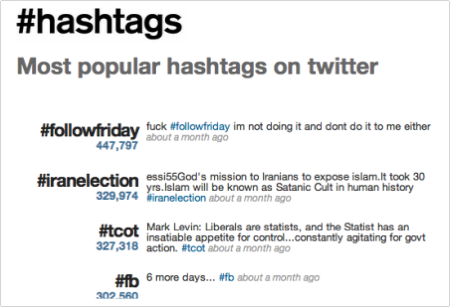
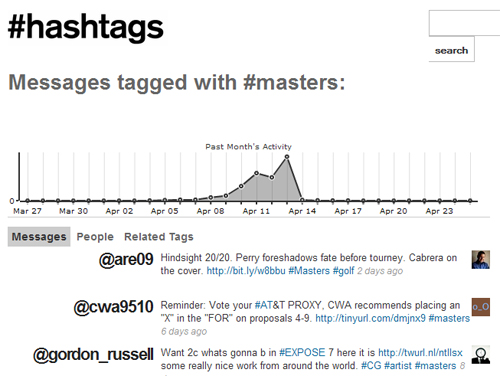
While adding a hashtag to tweets seems like a no-brainer task, often our clients are unaware of why a good hashtag is important or how to choose the right one.
Last week, GigaOm posted an interesting article that addresses what makes a good hashtag for your company’s event or announcement. The article notes that a good hashtag is something people understand and can relate to. Further in the article, the author points toward a blog post on Twitter’s own media section, which offers the following tips:
- A good hashtag begs a question. According to Twitter, some of the best hashtags start or form parts of a sentence. Think of this strategy like using a cliffhanger in a story, people will feel compelled to respond. Examples are #MyResolutionIs or #HaveUEver.
- Use a hashtag that appeals to a specific group. If your hashtag is too broad, it won’t inspire people to respond. It’s a good idea to relate your tag to something you know people are passionate about. Twitter offers the examples of #WhenIWasYoung or #ScorpiosAre, for tags that are simple, yet provocative.
- Utilize other social media channels. Cross-promoting your hashtag helps drive further awareness and participation. Don’t be afraid to direct your Facebook followers to your Twitter page by offering a discussion through your particular hashtag. For example, “For more discussion on the best mobile phone platform, join us on Twitter and use #BestPhoneEver…”
Companies considering a hashtag should do their research. Before you publicize your hashtag, take a few minutes to check a) if the hashtag has been used before; b) when it was last used; and c) what was it last used to promote. It is OK if your hashtag was used in the past, but it’s a good idea to make sure it wasn’t previously used to promote something that is offensive, against the company’s mission, or is currently in use by another company.
Overall, hashtags are an easy way to generate buzz and excitement around your brand. As more people retweet the hashtag, its popularity ranking rises, which could result in your hashtag getting featured on Twitter’s hourly, daily and weekly lists of most popular topics. Stick to the tips mentioned above, and you’re sure to find success promoting your announcement on Twitter.
Side note: If you are interested in learning more about the history of hashtags, check out this GigaOm article.