
Insights for Leaders Navigating
Visibility, Credibility, and Growth.
From media strategy to reputation management, we explore the trends shaping public perception and share the approaches that drive measurable results for growing brands.
In three short days, 2016 comes to a close and people across the globe will toast 2017 as they welcome in the New Year. This time marks a period of reflection and promises of self-change for many people, while others take advantage of the time off work to celebrate accomplishments from the prior year.

For public relations professionals, the start of a new calendar year should also spark a need to think about industry successes and trends that will continue into 2017. What are anticipated PR trends for the New Year? What is working for reporters and what isn’t? And what should communications professionals be thinking about as they get to work on 2017 PR programs?
Below is a shortlist of trends in the communications world that are expected to dominate the next 365 days:
Data Journalism. According to Technopedia, “Data journalism is the use of data and number crunching in journalism to uncover, better explain and/or provide context to a news story.” This type of journalism isn’t new – reporters have covered data since the inception of the media – but today there are reporters solely dedicated to interpreting and reporting on data trends due to the vast volume of information available in this digital era. The data journalism trend hasn’t gone unnoticed by PR gurus and brands, many of which are hiring specialized “data scientists” and other number crunchers to analyze market trends and create stories that resonate with the media. Companies such as A Place for Mom, Mastercard, Southwest Airlines and many others are leveraging big data for content development and media outreach purposes with great success.
Battle for Social Media. When a younger co-worker left the company recently, she provided contact details for reaching her in the future. Beyond calling or texting her directly, she only gave SnapChat account info for connecting via social media – and everyone in the office over 30 realized they’d probably never speak to her again. This example showcases the challenge that many PR firms and brands face today: How does one reach a target audience segmented by so many different communication platforms? New social media platforms pop up daily, while others just as quickly rise and fall in popularity. For PR professionals, understanding the right social media platform – or more importantly, integrating communications across all major social media platforms – is vital to a successful program.
Personalization. The days of developing one pitch for mass distribution to hundreds of reporters are over. Journalists want to know that the person pitching him or her knows their beat, reporting expertise and the publications’ focus, and the pitch reveals all of these things. In fact, a recent article featured on Muck Rack discusses how one reporter rejected 95 percent of all the pitches he received in one week because of the following issues: 1) pitches were not personalized; 2) the contact was not flexible with their angle; 3) the story was too self-promotional; and 4) the outlet had already done a similar article. The fact that 95 percent of the pitches this reporter received in one week didn’t meet a certain criteria needed for consideration should be startling to any PR professional. But, more importantly, the industry needs to do a better job of developing personalized pitches for journalists – a little due diligence and research can go a long way in getting a story placed.
Contributed Content. Media outlets are continuing to cut staff but the need for content is greater than ever. To fill this void, editors are turning to contributed articles to ensure they are securing content that is valuable, educational, and engaging to their readership. This development is music to the ears of many PR experts and represents much opportunity for clients. For example, thought-leadership industry bylines should be a mainstay of most communications plans. Not only do publications need this type of content to attract readers and are more likely to accept pitches around these opportunities, but it allows leaders to brand and position themselves as experts in the space.
The one constant about PR is that the industry is forever evolving. From the days of looking up contacts in thick directories to the advent of social media in general, the industry has changed dramatically in just 10 years. Will 2017 be remembered for such seismic shifts as well? Only time will tell but you can be assured of one thing: PR professionals will adapt and excel to whatever is thrown at them.
###
With the rise of digital, how we consume news has shifted – and new outlets are feeling the effects. In the last two months, The Associated Press, The Wall Street Journal, Gannett, Univision, Bloomberg and Thomson Reuters have all announced job reductions. Just last week, The Seattle Times announced that it was offering a buyout program before layoffs.
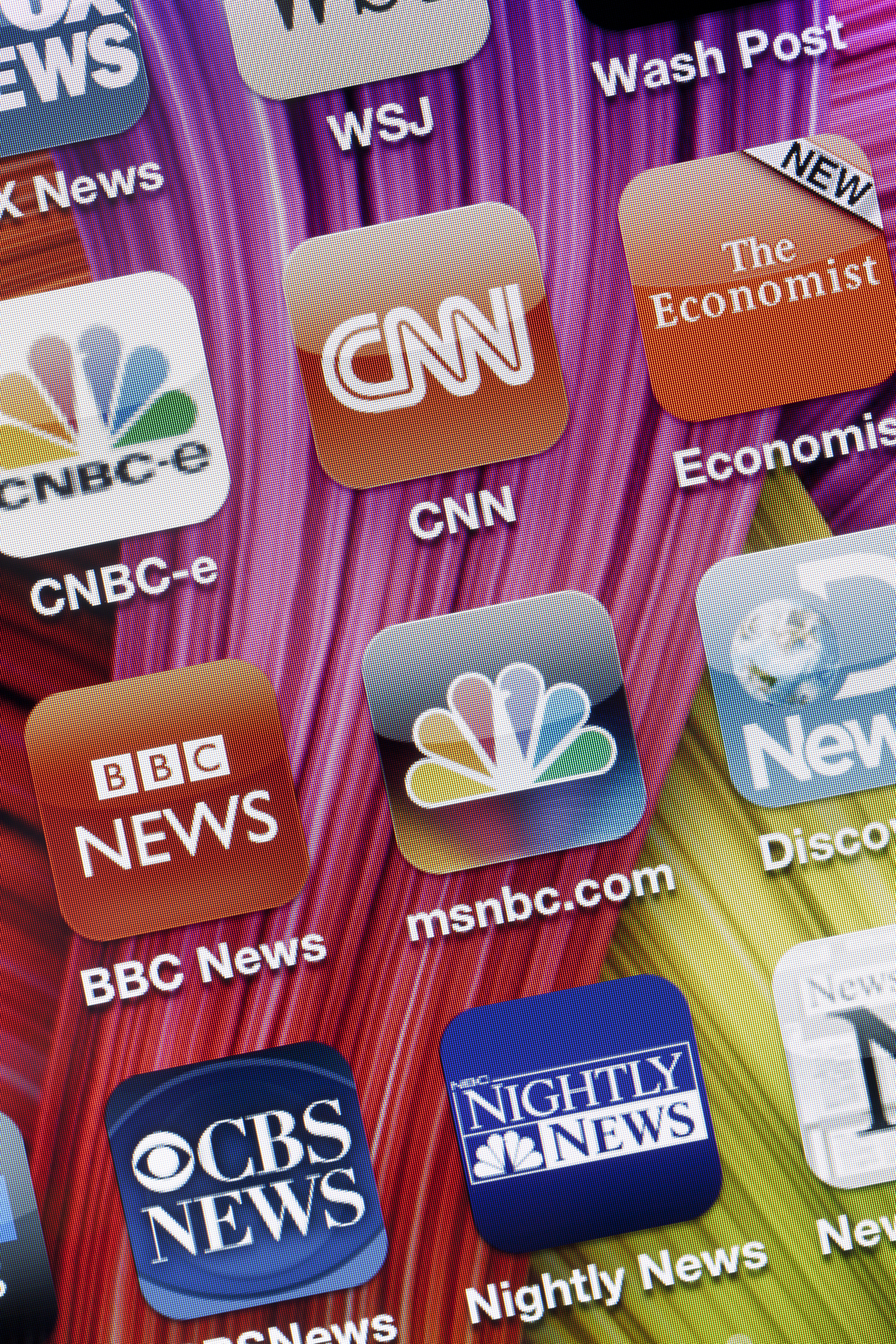
While many news outlets are struggling to evolve with the changing landscape, one publication has managed to double web traffic in the last three years, and the daily number of online posts filed by its reporters is higher than that of The New York Times and BuzzFeed. So which publication is navigating these turbulent times in the publishing world?
The Washington Post.
Jeff Bezos, founder of Amazon, purchased The Washington Post for $250 million in 2013 and has worked to reinvent the paper by focusing on things like digital speed and additional features that optimize the site for mobile. Columbia Journalism Review recently sat down with Shailesh Prakash, chief information officer at the Post, and Joey Marburger, the director of product, to discuss the paper’s success and the secrets behind it. Under the leadership of executive editor Martin Baron and Bezos, Prakesh and Marburger have turned the paper into a digitally savvy and innovative – yes, innovative – business. While I highly recommend reading the interview in its entirety (found here), I’ve summarized a few of the most interesting takeaways from the interview.
Don’t Hesitate to Innovate
When asked about discovering an effective business model for newspapers, Prakesh, formerly with Microsoft and Netscape, said that no one had figured it out yet. Because no one had figured it out, the next step was to experiment with other options.
With his background in technology, Prakesh brings a fresh perspective to a traditional industry. He believes that the perception that experimentation has to be costly is wrong. Currently, the Post is partnering with Google on a developing an extra-fast mobile website. At this point, a little less than 10 percent of their current web traffic flows in from the mobile site, but there is potential this could grow. By partnering with Google, the Post hasn’t invested in hiring engineers, making an extensive plan, or spending an extreme amount of money building the platform. If the new mobile site doesn’t see the success they hoped for, simply shutting it down is an option.
Speed Matters
Speed has proven to be a factor when it comes to digital. Marburger, the journalism half of this team, noted that speed may encourage readers to come to them on a regular basis versus another paper covering similar topics. He said that they are already seeing correlations in the data—people are more likely to consume more content and subscribe to the paper if they can access the site faster.
In today’s digital world, consumers are inundated with headlines and links. Content is available anywhere, anytime. How quickly the audience can access the content can be a huge differentiator. The idea originated from Bezos’ inspiration for the Kindle. When considering the Kindle, Bezos thought, “How can we keep everything that’s fantastic about a book and also [incorporate] the [benefits] of digital?” So, the Post considered how you read a newspaper – with ease. It’s relaxing, easy to scan. The Post is aiming to replicate the benefits of physical papers with the speed and convenience of digital.
Digital Openness
Digital news is here to stay, so journalists and publishers are shifting their thinking around it. According to Marburger, the same qualities that make good journalism are still driving the content produced. Instead of printing for an A1 story once a day on paper, publications can produce fresh digital editions every hour.
Outlets also need to consider that with digital content, the readers experience is dependent on more than just the content. Prakesh looks at the Post as being product-focused. What exactly is their product? It’s good journalism, interesting content, features on the platform like being able to save a story for later, and speed.
Journalism is rapidly changing and publications everywhere are feeling the impact. However, The Washington Post has taken a modern, innovative approach to appeal to digitally focused readers. As the paper continues to evolve, and if they continue to see success, it may encourage other publications to follow suit.

While fake content has circulated in tabloids and on the internet for years, the 2016 election has given us a reason to take it seriously. Stories about the Clintons selling weapons to ISIS and Trump winning the popular vote (he didn’t) spread like wildfire, and in some cases outperformed real news.
The false narrative that Pope Francis endorsed Trump garnered a staggering 960,000 engagements on Facebook, more than the Washington Post’s in-depth, non-hoax exploration of Trump’s failed businesses. While Facebook CEO Mark Zuckerberg dismissed the impact of fake news on shaping hearts and minds, studies validate that what we see in social media influences our moods and perceptions.
Moreover, according to a new Pew Survey of more than 1,000 U.S. adults, 23 percent of Americans say they have shared a fake news story – many knowingly. More troubling? Most teens can’t spot fake news.
According to a Stanford University study, 82 percent of middle schoolers couldn’t distinguish between an ad labeled “sponsored content” and a real news story from a legitimate source. While teens may be digital natives, many lack the sophistication to gauge the legitimacy of a source.
The spread of fake news and the ease with which it’s legitimized through social sharing clearly has dire implications for the U.S. electorate and our political process. But how will it impact PR – and how can PR pros take a meaningful stand against the proliferation of fake news?
The Evolution of PR in a Post-Fact Era
Perhaps most obviously, driving awareness of real news will become increasingly challenging, in what President Obama deemed the Post-Fact Era during an interview with The New Yorker. We live in a “new ecosystem,” he argued, “in which facts and truth don’t matter. You attract attention, rouse emotions, and then move on.”
Clickbait’s sole purpose is to generate ad revenue – after all, flashy claims and scandal draw eyeballs. As publishers downsize and fake news sources, such as the Denver Guardian, gain popularity, it will be incumbent on PR professionals to continue to pitch and foster relationships with legitimate news sources.
The rise of fake news is also likely to erode the public’s trust in all media. Earned media has always been persuasive because it offers third-party validation. If PR professionals contribute to creating false narratives and peddling fake facts, we will ultimately help undermine the value of earned media. But there are actionable steps PR professionals can take to combat fake news.
How PR Can Combat Fake News
Provide Sound Facts and Sources to Reporters – While it can be tempting to spin or exaggerate facts, it’s incumbent on PR professionals to provide sound counsel to clients and accurate facts to reporters. Though PR is sometimes referred to as the “dark side” of journalism, it doesn’t need to be.
We can support journalists by providing them with legitimate sources and stories that impact their communities. In fact, some of my most talented and valued coworkers have a background in journalism – we need to support quality journalism in a climate that is increasingly hostile or agnostic to facts.
Pitch Sources that Care about Facts – When we’re building press lists, we can continue to be thoughtful about who we include. While a blogger may provide an easy hit, it’s important to consider the legitimacy and reputation of bloggers and influencers before engaging. This is critical from both a client-service perspective and to help ensure we support legitimate news organizations.
We can also do this in our personal lives, and read content from quality sources that vet and care about facts and attribution.
Support Journalism with Your Wallet – In addition to providing journalists with great stories and sources, we can also subscribe to news sources we value. Earlier this month, The Seattle Times announced staffing cuts as ad revenue fell, echoing an industry-wide trend that has caused layoffs in newsrooms across the country. If there aren’t enough staff, it can be difficult to cover all the stories that matter. And it can be challenging to fact check. (Rolling Stone, I’m looking at you.)
In heartening news for the industry, just one week after Election Day, The New York Times saw a huge boost of 41,000 new digital subscribers. While PR professionals tend to be avid consumers of news to keep abreast of industry trends, we can also personally support the news sources we value by paying for their content.
Don’t Amplify Fake News – In pitches and bylines, we cite facts to substantiate claims. PR professionals can be extremely conscientious when it comes to verifying that the facts they’re citing are accurate. By citing legitimate facts, we also help drive traffic to publications that support good journalism.
In our own social media echo chambers, we can follow similar practices. We can be scrupulous before liking or sharing an article. After all, we stop giving oxygen to fake news when we take a more critical eye to what we share. Embracing facts and shunning opinion masquerading as fact can help foster a culture that values honest, integrity-driven journalism.
The Next Four Years Matter
Media is our bread and butter as an industry, but having robust journalism is also critical to a healthy democracy. These next four years may be tough on journalists, with the president-elect bashing Vanity Fair, The New York Times and others on Twitter.
While PR professionals aren’t journalists, we too play a role in fostering a culture that embraces thoughtful, accurate reporting, both in our personal and professional capacities. Let’s use that role to promote accurate news stories to legitimate sources, helping to amplify journalism at its finest. If trust in journalism is eroded, the demise of PR won’t be far off.
Last Friday we held our company holiday party at Upper Bar Ferdinand with food prepared by 2012 James Beard Award Winner, Matt Dillon and wine pairings by Marc Papineau (@marcspapineau). It was a wonderful evening filled with lots of laughter, amazing bites and a raucous White Elephant gift exchange. In this busy season, the evening provided a good reminder of why it is so important to make time for celebrations – both big and small – and time to interact with each other outside the office.

At Communiqué PR, we are focused on delivering meaningful results for our clients and helping them achieve their objectives. We recognize the importance of working smart and hard to make sure the right things are happening. We also value collaboration and transparency; both of which are easier to execute on if you have trust and chemistry within your team and across your client relationships. Socializing with peers offers opportunities to build and nurture the rapport among team members.

We have a number of more informal gatherings throughout the year but appreciate it can be hard for everyone to participate in an after-work happy hour or an afternoon boating adventure on South Lake Union. Additionally those casual gatherings typically do not include spouses, partners, friends or family. So I always look forward to our holiday party, when we get to interact with our colleagues and their family and friends, and toast each other, our amazing team and the people that support them in their endeavors.
In 2017, I hope that we continue to make time to come together for social gatherings and celebrate the wonderful and unique people on our team, as well as the success of our business and that of our clients.
What does your company do to foster relationships within your team? Are there events that have meant a lot to you or your team?
Happy Holidays!


So you wanna be in public relations? Not a bad idea, friend.
Between connecting with new media contacts, developing content for clients, supporting company milestones – and the list goes on – there’s never a dull moment in PR world. But don’t enter this field if you think it’s just some glamorous gig.
As my tenure here at Communiqué has taught me, public relations can be chaotic and stressful just as much as it can be rewarding and fun. If you’re serious about this profession, interning is a highly effective way to start gaining the skills and knowledge necessary to survive a job in communications. Here are some things I did to help maximize my internship and prepare me for a career in PR:
- Define your role and responsibilities
With intern positions being a common precursor to entry-level jobs these days, any legitimate internship will require work of substance. Don’t expect to merely pick up the coffee order. You should identify your role in the organization and the corresponding workload as soon as possible.
For example, I came into this position with an interest in writing – I actually defected to the dark side that is PR over from journalism – and made that clear early on in my internship. Knowing this, my managers were able to make writing the focus of my work, and it soon became my role to support a variety of writing assignments.
- Build your portfolio and network as you go along
The only thing promised in PR is deadlines. As my writing responsibilities grew, projects started flying in and out of my inbox constantly and it became easy to lose track of everything I’d accomplished. Save yourself the extra effort by adding work to your portfolio right as it’s completed. When this blog post goes live, I’m going to save a printer-friendly copy to my files.
While you’re at it, you should also be tending to your network. Build rapport with your coworkers, who can vouch for you when you’re ready to advance to the next position. Anyone you’ve had meaningful collaboration with should also be a connection on LinkedIn. And if you plan to continue in PR, start developing relationships with the media as these will be helpful down the road.
- Find a mentor
Among all the relationships you have as an intern, the ones you have with your mentors are some of the most important. Mentors help you understand the nuances of the industry and your workplace, as well as provide sound advice and support when you need it. (And in PR, you’re going to need it.)
At Communiqué, I’ve been lucky enough to have not just one, but two incredible mentors who were always there to help me navigate challenges, provide me with honest feedback and celebrate my progress. You won’t realize your internship’s full potential without a mentor, so make sure to connect with someone at the beginning of your term.
- Be proactive about your next move
Even with the support of your mentors and colleagues, you can still get swept up in the fast pace of PR. But don’t forget to plan for the future – the whole point of an internship is that it’s a springboard for a more permanent job.
If you’re performing well, chances are your company will offer you a full-time position. If you want to explore options elsewhere, ask for recommendations and/or introductions from people who can speak to the quality of your work. And if you decide PR isn’t for you, the skill set you acquire will be applicable to many other fields.
Take your internship seriously and you can continue to reap the benefits long after you move on. In my time at Communiqué, I got full exposure to the inner workings of PR and a chance to collaborate with brilliant individuals every day. My experience here has me feeling more than prepared for my next venture, and for that I am beyond grateful.

At any agency job, new business is a hot topic. Throughout the time that I have worked at CPR, I’ve had a front row seat for just how exciting (and stressful) pitching to potential clients can be. No matter what stage of the process they are in – the initial email, the pitch presentation or the follow-up – I have seen my coworkers go above and beyond to win new business. Here are a few tips I’ve picked up over the last few months to help you win over any potential clients.
Come prepared
I realize this is important for any project, but it is especially vital when pitching to new business. Even in your first correspondence with a potential client, responding to an RFP for example, it is important to show that you already have an understanding of the client’s needs. When asking questions, make sure they are insightful and will provide you with information you can’t find anywhere else to help you tailor your pitch. This also means that you have already done your research. Throughout the pitching process you should have a complete understanding of the client’s business, as well as knowledge of his/her industry and any current challenges or upcoming opportunities the business may face.
It is equally as important to be prepared for the initial meeting itself. Do multiple run-throughs of your presentation before the big day to make sure you have it nailed. Also, be sure to give yourself an extra day to gather your materials – you don’t want a freak printer malfunction to send you scrambling to the nearest Staples two hours before your meeting. Have all your handouts preprinted and arrive at the meeting on time. Coming to the meeting completely prepared will make a good first impression and help the rest of the meeting run smoothly.
Be time conscious
If there is one thing I have learned from PR it is how valuable time can be. It is important to keep your pitch concise and to the point because you want to maximize the limited amount of time you have with the potential client. Clients will appreciate your efficiency and it will help keep your presentation focused on what really matters to them. In the presentation run-throughs I’ve participated in, we were encouraged to stop the presenter to ask why they added certain information if we felt it wouldn’t be of value to the client. A well-thought-out and concise pitch will be far more memorable and will give the client a good overview of your goals.
One way to help ensure that your presentation stays on track is to have a clear agenda and objectives. Open strong with compelling reasons the client should consider your offer, outline your goals and solutions clearly, and finish by asking if they feel the solution you presented is viable. Having clear main points during your pitch will keep you from straying off topic and overloading you audience with information.
Use visuals wisely
It is important to remember that any visuals you include are there to aid your presentation, not be your presentation. If your PowerPoint slides are too text-heavy, the client will be so focused on figuring out the slide he or she will miss what you are saying. Go easy on the amount of text you use and make sure any graphs or images you use are meaningful, relevant and up to date. If the company recently switched to a new logo, you don’t want to accidentally use the old one. Initial pitch meetings with new clients are usually in person because the client wants to meet you, so any visuals you use should enhance your ideas instead of distract from your key points.
It is also important to strike a balance between the ideas you are presenting and any data you have to back it up. I have found that having data to show the outcome a new campaign could achieve has a greater impact and is easier for the client to remember after the presentation. Graphs and charts are easy to digest and can be a huge asset to any pitch as long as they support your ideas.
Follow up
Following up will ensure that your pitch is fresh in the clients mind and give them an action item to respond to. I have seen a single follow-up note go through multiple rounds of edits between three or four different people, which shows just how important follow-ups are. Send an email with a quick summary of what you discussed or, if the client mentioned a specific problem that you didn’t cover, send them a few ideas for solutions to show that you are committed to his business. Here at CPR, we often also send potential clients a copy of the book Strategic Public Relations: 10 Principles to Harness The Power of PR, written by our co-founders. I think this is a great tactic because it helps us keep in touch with our clients while providing them with further insight into how PR can add value to their company. Following up in a meaningful way will help set you apart from any competitors and show dedication to the client.
There are many other things to consider when preparing for a new business meeting, but keeping these four tips in mind is a good place to start. The most important thing is to prove to potential clients that your expertise will add value to their firm. Being knowledgeable about their industry and ensuring that you have clear and well-explained goals and objectives are the most important factors in convincing a potential client to hire your firm. While initial pitch meetings may be challenging, there is no better feeling than successfully winning a new client.